
Tenzing Feature Scores
Explore all 62 feature scores for Tenzing, organized into pros and cons.
Scores by Feature
Summary
62 reviewed features-
Very positive 4.5-5.017 (27%)
-
Positive 3.5-4.434 (55%)
-
Neutral 2.5-3.410 (16%)
-
Negative 1.5-2.41 (2%)
Pros
Sort
-
Genden Phuntsok’s warm, resolute, emotionally expressive portrayal is a consistent strength. He makes Tenzing feel human and compelling even when the biography becomes overly reverent.
-
Sweeping mountain vistas and close physical detail are the most dependable source of praise. A few find the imagery less breathtaking than expected or feel the grandest sights arrive too late.
-
The film’s cold light, sweeping scale, and vivid village imagery are repeatedly admired. Its polished natural-history feel can be gorgeous while also contributing to an overly glossy portrait.
-
Thin air, cold light, crunching snow, and enormous ice formations make the mountain feel physically present. The immersion is a recurring strength even when the surrounding biography feels less vivid.
-
Peedom’s mountaineering experience gives the physical journey conviction and visual force. Her thoughtful restraint earns praise, while conventional storytelling and disputed flashbacks limit the drama for some.
-
Hiddleston and Dafoe bring charm, reserve, humor, and authority to the expedition. Other supporting actors do effective work with thin roles, though their impact is less consistent.
-
Location work, physical exposure, and credible climbing detail make the expedition persuasive. The convincing environment often outshines the more streamlined personal story.
-
Phuntsok and Hiddleston’s pairing feels warm, respectful, and largely organic. Their performances often make the bond convincing despite limited time spent developing it.
-
Tenzing’s warmth, resolve, and understated wit make him easy to root for. His connection with the mountain gives that likability more shape than a simple triumph narrative.
-
The film repeatedly earns praise for treating Tenzing and the Sherpas as central participants rather than background labor. Local language, traditions, and the mountain’s spiritual meaning help sustain that perspective.
-
The film often succeeds as an old-school mountaineering adventure and a respectful biopic. Its physical journey receives stronger approval than its originality or biographical depth.
-
The compelling lead and immersive climb make the film broadly rewarding. Its familiar, polished construction tends to produce a solid experience rather than an exceptional one.
-
The partnership grows through shared outsider status, practical dependence, and mutual respect. It usually feels earned, though some want more depth or time for the relationship.
-
The ensemble is consistently described as strong, sincere, and convincing. The acting often supplies humanity and connection that the supporting roles lack on the page.
-
Collapsing ice, rescues, and uncertain footing can make the ascent gripping. Some find the peril too softened, and the flashbacks can interrupt the tension at key moments.
-
The climbing and rescue scenes can be gripping without manufactured spectacle. Some appreciate that restraint, while others find the danger too softened to deliver the expected rush.
-
The lead’s warmth and the summit’s release can make the journey affecting. Thin female roles, idealized biography, and repeated backstory leave some viewers admiring the film more than feeling it.
-
Putting Tenzing at the center restores attention to an overlooked participant in the ascent. The respectful approach can become overly protective, and some find the British characters still occupy too much space.
-
The contrast between conquering Everest and approaching Chomolungma as sacred gives the story a distinctive center. Its spiritual perspective is often more engaging than the mechanics of reaching the summit.
-
The overlooked climber’s viewpoint gives the ascent fresh emotional and spiritual meaning. The biography’s familiar beats and limited inquiry divide opinion more than the expedition itself.
-
The story’s encouragement to persist and recognize overlooked achievement is often judged sincere. Its optimism works best when the uplift feels earned by the climb and relationships.
-
Crunching snow, heavy breath, wind, and ice make the altitude and physical effort feel immediate. The crisp, tactile sound is a recurring contributor to immersion.
-
Most find Hiddleston a restrained partner who strengthens rather than eclipses Phuntsok. A dissent argues the supporting stars dominate, while others question how much of the story goes to British characters.
-
The sacred mountain, unequal recognition, and tensions between conquest and connection supply promising ideas. Their emotional resonance is praised, but several find the colonial critique and personal inquiry too shallow.
-
The inspirational adventure is described as unusually family-friendly. Its accessible approach softens the ordeal without removing the mountain’s danger.
-
The music is praised as soothing, powerful, and responsive to grief and triumph. It helps carry emotion through both intimate scenes and severe mountain conditions.
-
The background music supports the story’s tender and triumphant moods. Its emotional range complements the visual scale without being described as mere decoration.
-
The environments are praised for making the expedition feel convincingly situated in real mountains. Rich physical production supports the sense of being on the journey.
-
The summit delivers a powerful, cathartic payoff. Images connecting the boy’s dream with the adult’s achievement give the conclusion added emotional weight.
-
Several assessments approve the film’s accessible intensity and appeal across ages. Its relatively restrained adventure is still built around physical peril and difficult personal losses.
-
The intercutting between childhood, early adulthood, and the expedition sharply divides opinion. It can clarify motivation and balance emotion with danger, but it also becomes repetitive or interrupts tension.
-
Sherpa language, traditions, and the contrast between local spirituality and European conquest give the film a welcome viewpoint. The treatment of racial hierarchy divides opinion, with several finding it too lightly examined.
-
The three stages of Tenzing’s life reveal his resolve and motivation for some viewers. Others find the portrait shallow, with underdeveloped women and climbers surrounding a carefully protected hero.
-
The clear underdog journey and engaging central performance support broad audience appeal. Its glossy, familiar dramatic beats favor accessibility over a more challenging portrait.
-
Some find the two-hour journey absorbing and well balanced between emotion and danger. Others criticize repetitive flashbacks, clunky crosscutting, and middle stretches that slow the ascent.
-
Vertigo, collapsing ice, and close-call danger can make the mountain frightening. Positive assessments treat that fear as an effective part of the adventure rather than empty shock.
-
The expedition’s interpersonal tensions can be gripping and emotionally involving. Some find the personal biography softer and less interesting than the achievement it surrounds.
-
Childhood, romance, and the 1953 expedition establish the roots of Tenzing’s ambition. Opinions split over whether those passages illuminate a full life or merely repeat the outlines of his determination.
-
The worldview conversations and climbers’ banter are praised for adding interest and personality. Exchanges around respect and the mountain help relationships feel more convincing.
-
Location work and physical climbing give the journey convincing weight. The practical presentation helps it avoid the artificial feel associated with a soundstage expedition.
-
The mountain images are praised as perfectly framed. The compositions make the snow, light, and natural scale particularly striking.
-
The natural hair and ageing makeup are praised as exceptionally convincing. Weathered faces make the exposure to harsh mountain conditions feel believable.
-
Naming the film after Tenzing is praised for clearly centering the overlooked mountaineer. The title signals a welcome change from the usual Hillary-led account.
-
The blended mountain locations are often described as almost seamless. One assessment notices less convincing effects but finds they still fit the old-school adventure atmosphere.
-
The extended and blended landscapes are mostly convincing, with nearly invisible joins between filming locations. A less enthusiastic assessment notices weaker moments but accepts them within the adventure style.
-
The wardrobe earns praise for period detail and cultural specificity across villages, monasteries, expedition teams, and climbing gear. It helps the world feel inhabited rather than dressed for display.
-
The recreation of dangerous climbing is praised for its commitment to safety. That care is presented as part of the production’s broader technical discipline.
-
Dafoe brings a welcome comic touch to Hunt. His humor helps the expedition leader stand out among the supporting climbers.
-
The expedition’s prickly camaraderie gives the logistics of the ascent dramatic energy. The film makes cooperation and competing pressures part of the climb.
-
The principal cast is praised for its strength and convincing performances. One dissent finds the supporting stars’ presence too powerful for a film meant to keep Tenzing in the spotlight.
-
The film successfully conveys Tenzing’s bonds with his wife and daughters alongside his expedition relationships. Those ties give his ambition a personal foundation.
Cons
Sort
-
Dawa and Jill Henderson are repeatedly criticized as thinly written supports for a man’s achievement. Their importance to Tenzing is clear, but their own identities receive little room.
-
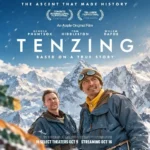
One assessment criticizes a poster that foregrounds Hiddleston while Tenzing is the main character. That choice reinforces its concern that star power distracts from the intended subject.
-
Pasang’s resentment adds texture but little substantial opposition. He is judged more of a minor obstacle than an antagonist who complicates the hero’s journey.
-
The script can thoughtfully connect personal history, friendship, and the ascent. Formulaic beats, underwritten women, simplified motives, and limited social analysis are recurring weaknesses.
-
The length works when slower emotional beats and tense climbing passages stay balanced. Several assessments find it too long or insufficiently sustained by its contemplative pace.
-
The early relationship passages have an appealing lyrical beauty for one assessment. Another finds those memories insufficient to explain Tenzing’s later longing and grief.
-
Some welcome the historical detail and honest basis of the friendship. Others flag streamlined history and a potentially fictional childhood encounter as reasons to treat it as dramatization.
-
The balance between intimate emotion and mountain danger works well for some. Others find the reverence too sanitized or too close to hero worship.
-
The goal and historical outcome remain clear despite the nonlinear structure. One assessment finds the repeated shifts leave the story insufficiently focused.
-
Most assessments welcome Hillary’s supporting position and the focus on Tenzing. Others question the space given to British characters, while Dawa and Jill consistently receive too little.
-
Centering Tenzing gives familiar Everest mythology a fresh perspective. The surrounding childhood-setbacks-triumph structure remains conventional and sometimes feels too formulaic.
Use Cases
Best for
Sort
-
The film offers a convincing way to experience an Everest expedition from a seat. Cold, altitude, ice, and vast landscapes make the climb feel close, even when its drama is deliberately gentler.
-
The expedition delivers imposing landscapes, physical danger, and an earned partnership. It works best as a patient, human adventure, with familiar biopic conventions holding back some of the excitement.
-
Tenzing’s persistence offers encouragement to pursue difficult personal goals. The uplift is often judged earned, though the film’s reverence can smooth away complexity.
-
The approachable adventure and inspirational story receive clear endorsements for family viewing. Its relatively restrained danger supports broad appeal, although the mountain remains a threatening setting.
-
The sweeping landscapes are repeatedly judged worth seeking out on a large screen. Limited theatrical exposure is a disappointment for a production built around such imposing physical spectacle.
-
Substantial Sherpa-language dialogue gives the protagonist’s world a valued sense of authenticity. It makes the local perspective feel more integral than token translated exchanges.
-
The restrained intensity is explicitly judged accessible to children in one assessment. The adventure still includes climbing peril and emotionally difficult family history.
-
The expedition’s broader human context offers an eye-opening account of the famous ascent. Its shifting focus makes the people behind the achievement as important as reaching the peak.
Conditional or not ideal for
Sort
-
Biographical insight viewingThe climb is more revealing than the portrait for viewers seeking a detailed understanding of the man. Several assessments favor a book or autobiography for deeper biographical insight.
-
Action-fan viewingViewers seeking frequent set pieces may find the restrained climb short on thrills. Its quieter approach avoids invented action, but some find the ascent insufficiently exciting.
-
Casual streaming viewingA living-room screen reduces the force of the landscapes’ scale and immensity. Streaming offers the story, but its most imposing visual qualities benefit from a larger presentation.
-
Home theater viewingThe landscapes’ beauty and enormous scale lose impact on a living-room screen. The visual experience is especially dependent on presentation size.
-
Historical educationThe Sherpa culture and overlooked contributions can make the film informative. It is less successful as a detailed account of Tenzing’s life beyond the familiar milestones.
Cast & Creators
-
Tenzing NorgayPhuntsok is repeatedly praised for warmth, resolve, vulnerability, and emotional precision. His understated presence anchors the film and makes its revered hero feel human.
-
CinematographerDuscio’s sweeping landscapes and close physical detail are repeatedly praised as gorgeous or spectacular. His imagery supplies much of the film’s convincing scale and immersion.
-
HillaryHiddleston’s quiet warmth, charm, and restraint usually strengthen Phuntsok’s lead rather than compete with it. One dissent finds his star presence so magnetic that it distracts from Tenzing.
-
DirectorPeedom’s experience with mountains gives the direction physical authenticity, strong imagery, and an attentive human perspective. The flashback structure and conventional biopic approach draw the most reservations.
-
John HuntDafoe brings authority, humor, and humanity to Hunt, often making a familiar type more complex. His impact ranges from barely registering to overpowering the lead, depending on the assessment.
-
WriterDavies earns praise for thoughtful personal context, an unforced partnership, and at times seamless storytelling. Familiar character types and conventional biography keep that approval qualified.
-
ComposerKarijord’s music is praised for matching grief, tenderness, danger, and triumph. Its emotional force supports the journey beneath the mountain spectacle.
-
TenzingLama’s childhood portrayal is described as affecting and convincing. It gives the later journey a believable emotional foundation.
-
TenzingDalha is praised as convincing in the younger period of Tenzing’s life. His work helps explain the motivations that carry into the adult expedition.
-
Jill HendersonBalfe is generally judged capable of making a limited role work. The praise remains qualified by how little room Jill receives beyond helping Tenzing’s expedition career.
-
Costume DesignerCameron’s wardrobe is praised for culturally grounded, period-specific detail across a wide range of communities. The costumes help the settings feel lived in.
-
Production DesignerDoring’s production design contributes to an environment that never feels like a soundstage. The physical world makes the mountain stakes convincing.
-
Executive ProducerHis executive-producer and consultant contribution is welcomed as a substantial benefit to the film’s treatment of his father. That involvement is explicitly valued in the respectful portrayal.
-
George MallerieFlynn is judged to do a fine job in his brief opening role. The contribution belongs to an ensemble whose actors work effectively despite limited character depth.
-
DawaLhamo makes what she can of Dawa’s restricted material. Her contribution is constrained by a role centered on encouragement and emotional support.