
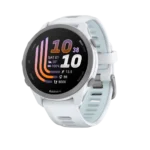
Garmin Forerunner 170 Music Feature Scores
Explore all 43 feature scores for Garmin Forerunner 170 Music, organized into pros and cons.
Scores by Feature
Summary
43 reviewed features-
Very positive 4.5-5.026 (60%)
-
Positive 3.5-4.410 (23%)
-
Neutral 2.5-3.45 (12%)
-
Negative 1.5-2.42 (5%)
Pros
Sort
-
GPS performance earned unusually consistent praise despite the single-band hardware, with reviewers finding it close to pricier multi-band Garmins and accurate on city, coastal, and woodland routes. Multi-band remains preferable for the toughest dense-city or deep-trail conditions.
-
Garmin Coach and Quick Workouts are standout strengths, offering adaptive plans, fast structured sessions, and useful guidance for everyone from first-race runners to experienced athletes. Suggested Quick Workouts can occasionally be tougher than expected.
-
Outdoor readability is excellent, with multiple reviewers saying pace and data remain easy to see in bright sunshine and normal running conditions.
-
The AMOLED screen is one of the watch’s most praised features: colorful, sharp enough for dense run data, and easy to read. It is not as fluid or premium as flagship smartwatch panels, but reviewers still rate it highly.
-
Reviewers consistently found the AMOLED display bright and vivid enough for normal use, including direct sunlight, even though Garmin’s pricier watches can get brighter.
-
Garmin’s five-button layout is a major practical strength for runners because it remains easy to operate with sweaty hands, gloves, or a bouncing stride. One reviewer noted a small ambiguity around the start button.
-
The light, slim case is exceptionally easy to wear for workouts, sleep, and daily use, especially on smaller wrists. The main comfort caveat is skin irritation reported from the strap or back casing by a couple of reviewers.
-
Training Readiness, Training Status, load, and recovery guidance are among the watch’s biggest strengths, helping runners structure training and avoid overdoing it. One reviewer cautioned that beginners can become too dependent on recovery scores instead of listening to their bodies.
-
The touchscreen is repeatedly described as snappy and responsive without becoming overly sensitive, making swipes and taps reliable in daily use.
-
The compact case fits smaller wrists well while still being judged suitable for a broad range of wrist sizes, with little catching or digging during wear.
-
Across running, swimming, gym work, elevation tracking, and race-style intervals, reviewers found the watch consistently accurate and useful for analyzing performance.
-
Offline music is one of the Music model’s clearest benefits, letting runners leave the phone behind and load playlists from supported services. The feature is easy to live with, but the price premium and Apple Music gap weaken the value for some users.
-
The on-watch interface is widely considered simple, polished, and easy to use through either touch or buttons. Small quirks remain, including buried settings and an occasionally ambiguous start-button interaction.
-
Heart-rate tracking is generally strong for running and mixed training, with several reviewers calling the older Elevate 4 sensor very good. Hard intervals and strength work can expose some lag, so a chest strap remains the cleaner choice for precision.
-
The latest Garmin software feels more polished and cohesive, bringing sports and smartwatch functions together with a sleeker presentation. Reviewers also value its position for receiving newer features.
-
The 170 Music goes beyond pure run tracking with payments, apps, notifications, music, and a more complete smartwatch interface. Reviewers still see it as a sports watch first rather than a true phone-replacement smartwatch.
-
The jump to more than 80 sport profiles makes the watch far more versatile than older entry Forerunners, covering running, gym, team, winter, and water activities. The lack of native HYROX and multisport/triathlon modes still leaves gaps for some athletes.
-
Value depends heavily on what you need. The 170 Music packs premium training tools, accurate tracking, payments, and phone-free audio at a lower tier than Garmin flagships, but several reviewers think the cheaper 70, discounted 165/265, or Coros Pace 4 can be better buys.
-
The watch keeps Garmin’s sporty look but earns praise for fun color choices, coordinated bands, and a polished appearance that still feels light on the wrist.
-
Watch faces, widgets, and data screens can be customized extensively, letting runners prioritize the information they actually want to see.
-
Five-button navigation is generally easy and dependable, especially while running, and the newer software feels smoother. The main drawback is that some capabilities remain buried in settings.
-
Wrist-based running power is welcomed as a surprisingly advanced training tool at this price, giving runners another way to manage effort and work on form.
-
Garmin’s broader wellness package is viewed positively, especially the comprehensive health data and useful evening reports that recap the day and help frame the next one.
-
Battery life is adequate rather than class-leading. Depending on display settings and training load, reviewers saw roughly three-and-a-half to six days in heavier real-world use; most runners found that workable, but it trails some cheaper or older alternatives.
-
Garmin Connect worked almost identically on iPhone and Android in testing, making the core experience effectively platform-neutral.
-
The touchscreen makes on-watch music controls notably easier to use and helps the device feel more like a regular smartwatch.
-
Syncing and connection behavior impressed in testing, with near-instant GPS lock and quick, easy Strava synchronization.
-
In demanding race preparation and event use, the watch did its job consistently, delivering dependable data and controls without getting in the way.
-
LiveTrack is a useful safety extra for solo activities, giving contacts a way to follow the wearer’s location when a phone connection is available.
-
The updated software is praised for faster performance and smoother navigation than Garmin’s older budget-watch experience.
-
The watch handled swimming well in testing and was considered safe and dependable for both pool use and showering.
-
Garmin Connect is powerful for training analysis and can make certain tasks easier, but one reviewer felt the app still badly needs a redesign. Its depth is useful, though not always elegant.
-
Garmin Pay is useful for phone-free runs and everyday purchases, but reviewers disagree on whether it justifies the price premium over the cheaper Forerunner 70.
-
Pulse Ox is welcomed as part of the expanded health package, bringing a feature that previously sat above this entry-to-midrange tier.
-
Sleep tracking has improved enough to broadly match an Oura Ring on sleep duration, bedtime, and key stages on most nights, though Garmin’s history here was acknowledged as weaker.
-
The build is functional and familiar rather than premium, described as standard Garmin fare with a lightweight plastic character.
Cons
Sort
-
Charging is a clear annoyance: the proprietary Garmin cable can be finicky to keep seated and feels dated compared with USB-C.
-
One reviewer found the run alerts comically loud and disliked having no separate volume adjustment beyond disabling sound and vibration.
-
Connect IQ adds some smartwatch extensibility, but one reviewer found its useful app selection much thinner than Apple’s or Google’s stores.
-
Materials are a weak spot compared with premium Garmins: the polymer construction feels basic, and one report flagged possible skin irritation from the plastic back during prolonged wear.
-
Streaming support is a mixed point: Spotify, Amazon Music, Deezer and some other services work well, but Apple Music’s absence is repeatedly called out as a meaningful limitation. Spotify offline use also requires Premium.
-
The silicone band feels soft and stretchy, but one reviewer developed a rash from it, making long-term skin comfort a real point of variability.
-
Breadcrumb course guidance is useful for everyday routes, but the lack of full offline maps is one of the most repeated omissions. It is fine for familiar roads and basic course following, less convincing for wilderness, ultras, or map-heavy trail use.