
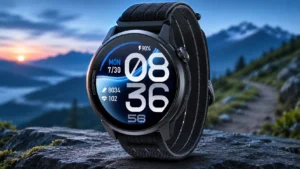
Coros Pace 4 Pro Feature Scores
Overall Scorata score: 4.4/5
Based on 46 analyzed reviews · View source samples
Explore all 62 feature scores for Coros Pace 4 Pro, organized into pros and cons.
Scores by Feature
Summary
62 reviewed features-
Very positive 4.5-5.034 (55%)
-
Positive 3.5-4.416 (26%)
-
Neutral 2.5-3.46 (10%)
-
Negative 1.5-2.46 (10%)
Pros
Sort
-
The large, crisp AMOLED screen is a standout upgrade, offering excellent detail and useful space for maps and metrics.
-
Long battery life is a major strength, often reaching roughly a week with always-on display or longer with gesture wake. GPS settings, streaming-free music playback and possible drain issues affect real endurance.
-
The exceptionally bright display makes it easy to see training data, including in bright daylight.
-
The watch remains impressively thin and light despite its large display and upgraded materials.
-
Most testers found the watch light and comfortable enough for extended wear. Its wide case can be noticeable on a narrow wrist.
-
Metrics remain readable outdoors in direct sunlight without shielding the display.
-
GPS generally produces clean routes and consistent distance readings, including in races and difficult environments. Occasional offsets and challenging conditions can affect precision.
-
Maps pan, zoom and redraw rapidly with little lag, a meaningful improvement on older models.
-
The slim case, titanium trim and large display look more premium than earlier Pace watches, though styling is still sporty.
-
Sapphire glass and a titanium bezel elevate the watch beyond the plastic-heavy standard model. The polymer body still feels less premium to some buyers.
-
A straightforward interface, responsive menus and physical controls keep the watch easy to operate during exercise.
-
Extra processing power makes the interface fluid and responsive, especially for maps and menu transitions.
-
The dial and responsive menus make navigating screens straightforward, including during activities.
-
Sapphire glass and titanium provide welcome scratch resistance and confidence for outdoor use, though long-term durability is still being established.
-
The bright display and speedy offline maps make following routes easy, but maps are not routable on-device and some competitors offer more advanced navigation.
-
Flagship-style hardware and battery life at a lower price than many rivals make it a strong value. The standard Pace 4 remains a better fit for buyers who do not need the premium hardware.
-
The companion app presents training information clearly and makes syncing routes and workouts straightforward.
-
The large, bright screen makes workout metrics easy to check without breaking stride, including on crowded data pages.
-
The watch feels premium and well built while keeping weight down.
-
Geotagged and automatically transcribed voice notes are convenient for recording training feedback, although not everyone finds the microphone useful.
-
The crown and Action Button are useful shortcuts, especially for maps and workout screens. Rotating controls can sometimes be activated accidentally.
-
The touchscreen responds quickly, while the physical crown provides a convenient alternative when swiping is awkward.
-
A simple, snappy interface presents essential sports information clearly.
-
Training load, race predictions and pace tools are useful and accessible, though deeper training analysis and readiness presentation lag some rivals.
-
Turn prompts and off-course warnings make following a loaded route straightforward. The watch cannot calculate a replacement route on its own.
-
A small charging adapter is easy to carry, and topping up during an activity can be convenient.
-
Ongoing firmware updates add functionality after purchase, including mapping improvements, which helps preserve the watch's value.
-
Pace Strategy, training plans and structured workout guidance help athletes plan and execute sessions; some planning constraints can be frustrating.
-
Workout tracking has been reliable overall, with accurate pace and distance in real-world running tests.
-
Downloading and syncing map regions through the companion app is fast and straightforward.
-
Connections with popular training and route services are useful, although AI integrations can be finicky.
-
Wrist readings are often close to a chest strap during steady running, but results vary with fit, temperature and activity. Spikes and lag during intervals, lifting and other high-intensity movement remain a concern.
-
Voice commands make checking weather, opening maps and interacting mid-run more convenient, with some functions requiring a paired phone.
-
A thin bezel leaves more room for the display without substantially increasing bulk.
-
The brighter display, better materials and longer battery life can justify upgrading, especially for frequent wear. The standard model already shares much of the software, making the extra cost harder to justify for some runners.
-
The available faces include sharp, attractive designs that complement the AMOLED display.
-
Off-course warnings, tracking alerts and other safety tools can help on runs and planned routes.
-
The 32GB storage provides useful room for offline maps, music and workout history.
-
The large display keeps multiple workout data fields readable, even when several metrics are shown together.
-
A running-focused design still covers a useful range of sports and other training activities.
-
The compact adapter works with a standard USB-C cable, avoiding the need for a dedicated charging cable.
-
Pairing and initial setup were smooth and quick.
-
COROS offers a clear repair arrangement that is appealing for buyers who want to keep their watch longer.
-
Step detection performed very well in everyday tracking.
-
The adjustable bands and thin case help with fit, but the larger case and strap mechanism do not work equally well for everyone.
-
The screen-based flashlight can be useful in the dark, but it is not as convenient as a dedicated side-mounted LED.
-
Notifications are readable on the large display, but handling them is more basic than on a full smartwatch.
-
The packaging makes a premium first impression.
-
Distinct vibration and sound cues make activity alerts easier to notice.
-
A full charge takes around 90 minutes, but a short top-up can restore substantial GPS tracking time.
Cons
Sort
-
Sports functions take priority over lifestyle smarts; the watch lacks the breadth of a full smartwatch even with helpful voice features.
-
The limited on-watch app ecosystem falls short of rivals with downloadable sports and lifestyle apps.
-
Offline files offer music playback, but the lack of direct streaming or playlist downloads limits convenience for streaming-service users.
-
The lack of tap-to-pay is a practical drawback for runners who use their watch to buy things without reaching for a wallet.
-
Watch-face customization is more limited than on rival watches, especially for choosing which stats to show.
-
Live pace can take too long to respond to changes, and rolling pace is missing. A few race testers found the real-time pacing reliable, but lap pace is often preferable for intervals.
-
The compact charging adapter is included, but buyers need to supply their own USB-C cable.
-
The nylon strap is light and comfortable, but the quick-release mechanism can be fiddly and there are concerns about long-term Velcro wear.
-
External heart-rate sensors offer a useful alternative for demanding workouts, but athletes tied to ANT+ accessories may need to change their setup.
-
Recovery trends and metrics are useful, but some athletes miss a more comprehensive readiness score and clearer presentation.
-
Raise-to-wake and automatic brightness generally make glancing at the display convenient. Nighttime dimming has drawn some criticism.
-
Hands-free calls are convenient, though one tester experienced audio dropping back to the phone.
Use Cases
Best for
Sort
-
Light weight, readable workout data, dependable GPS and long battery life make it a compelling dedicated running watch.
-
Pacing guidance and steady tracking work well, but wrist heart rate and instantaneous pace can lag during abrupt changes in effort.
-
The light, slim design makes wearing the watch around the clock comfortable, including in bed.
-
Readable maps, responsive navigation and long battery life make the watch an appealing trail-running companion.
-
Long GPS endurance and a light design are particularly attractive for ultra-distance races. Actual GPS runtime depends heavily on settings and should be tested before very long events.
-
Useful training metrics and workout tools support structured endurance training, although the depth of readiness analysis is not class-leading.
-
The update policy and capable hardware make the watch appealing for buyers intending to keep it for years.
-
Swimming tracking can measure strokes well and covers the basics for multisport training, without the depth of a dedicated swimming watch.
-
The watch offers useful gym workout support, though an external heart-rate sensor can help when movement affects wrist readings.
-
Bright, readable offline maps and navigation tools make the watch useful for hiking, particularly on planned routes.
-
The watch offers capable tracking across disciplines and good battery endurance at a competitive multisport price.
-
Moving the watch to the upper arm with a compatible band substantially improves heart-rate tracking during high-intensity exercise.
Conditional or not ideal for
Sort
-
Strength trainingWrist heart rate is less dependable with lifting and rapid arm movements; a chest strap or arm sensor is preferable for precision.
-
Small wristsThe slim and light body works well on some narrow wrists, but the wide case can feel too large on others.
-
Smartwatch replacementThis is a sports watch first; shoppers who need richer apps, payments, streaming music or more capable notification handling will find it limited.
-
CyclingHeart rate and GPS can perform well on road rides, although rough mountain biking can introduce substantial wrist-sensor errors.
-
Fitness beginnersAn entry-level runner may find the price hard to justify when the cheaper model offers similar core training software.