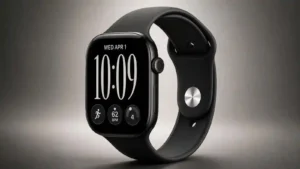
Cellular use can meaningfully reduce phone dependence, with one reviewer specifically enjoying leaving home with only the watch.
Pros: value for money, heart rate accuracy
Cons: data privacy

Cellular use can meaningfully reduce phone dependence, with one reviewer specifically enjoying leaving home with only the watch.
Pros: value for money, heart rate accuracy
Cons: data privacy
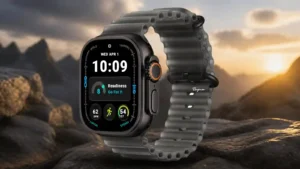
Cellular support meaningfully improves phone-free workouts, including letting Workout Buddy operate without an iPhone nearby.
Pros: battery life, value for money
Cons: data privacy, comfort
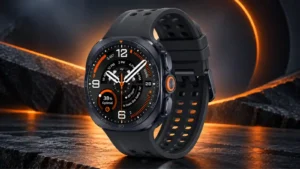
Built-in LTE can make the Ultra 2 genuinely independent for calls, messages and workouts without a phone, and cellular battery use has improved. The forced LTE configuration, lack of 5G,...
Pros: battery life, comfort
Cons: value for money, charging speed
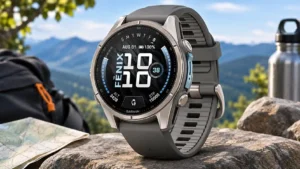
Pro inReach LTE is most compelling for live tracking during phone-free runs. Garmin Messenger requirements, separate communication workflows, and less seamless setup limit its everyday appeal.
Pros: battery life, mapping and navigation
Cons: value for money, LTE connectivity

LTE messaging can be fast and useful for check-ins and location sharing. Garmin Messenger requirements, lack of normal carrier calling and SMS, service charges and battery drain limit everyday convenience.
Pros: mapping and navigation, battery life
Cons: value for money, software smoothness

LTE adds real phone-free usefulness for calls and data, but it also increases battery drain. That tradeoff matters most on a watch whose endurance is already limited.
Pros: software smoothness, wellness insights
Cons: battery life, charging speed
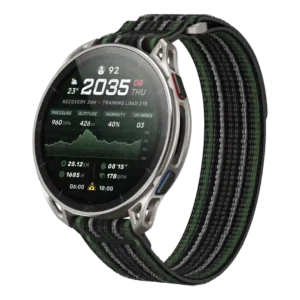
LTE is a clear weakness because reviewers note there is no cellular option or independent internet connection.
Pros: battery life, value for money
Cons: reliability
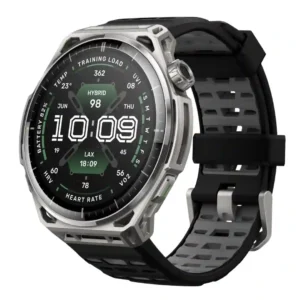
There is no LTE or cellular version. Calls, notifications, and connected features depend on a nearby paired phone, limiting true phone-free use.
Pros: battery life, brightness
Cons: fit, third-party app support