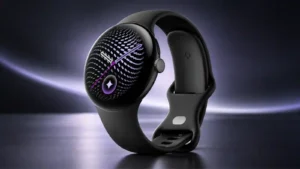
Overall health tracking is strong, with one scientific-style test calling the watch highly reliable across daily health, sleep and fitness use.
Pros: software smoothness, style and design
Cons: value for money, wellness insights

Overall health tracking is strong, with one scientific-style test calling the watch highly reliable across daily health, sleep and fitness use.
Pros: software smoothness, style and design
Cons: value for money, wellness insights
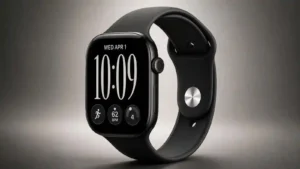
Health tracking is one of the Series 12’s clearest strengths. More frequent sensing and better presentation make day-to-day health data feel substantially more useful.
Pros: value for money, heart rate accuracy
Cons: data privacy
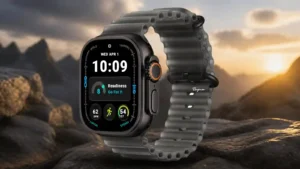
The new sensing system is broadly regarded as a meaningful health upgrade, delivering denser measurements and more useful longitudinal data. Accuracy is generally praised, though not every metric has independent...
Pros: battery life, value for money
Cons: data privacy, comfort
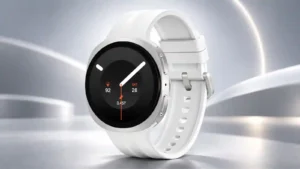
Core health measurements compare well with reference devices in several tests. Body-composition and broader health readings are useful for trends, though they should not be treated as medical-grade conclusions.
Pros: software smoothness, wellness insights
Cons: battery life, charging speed
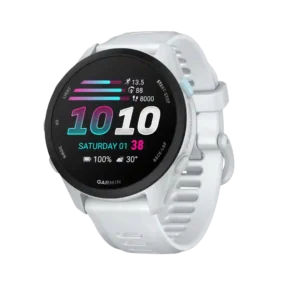
Heart-rate and walking data align well with comparison devices in controlled tests. The overall health picture is dependable for everyday fitness use.
Pros: battery life, value for money
Cons: mapping and navigation, smartwatch features
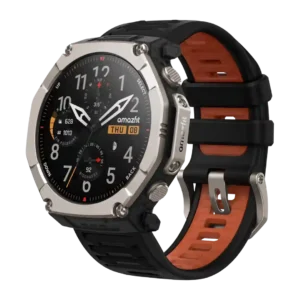
Reviewers found the newer sensor and overnight health data generally credible, though evidence focused on broad health metrics rather than every individual vital.
Pros: battery life, value for money
Cons: heart rate accuracy, comfort
Health and recovery information can align well with how users feel. Independent testing finds stronger overnight heart metrics than sleep-stage estimates.
Pros: mapping and navigation, battery life
Cons: value for money, software smoothness
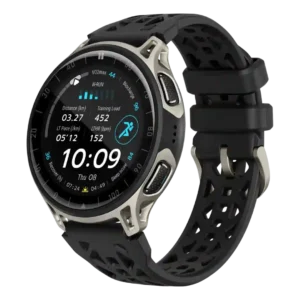
Health tracking accuracy was positive but not flawless; heart-rate-based health metrics were useful, while scientific testing rated broader heart tracking as only okay.
Pros: GPS accuracy, battery life
Cons: band quality, smartwatch features
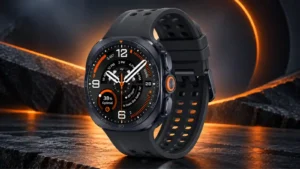
Health measurements are broadly credible, with some metrics aligning closely with scales or other wearables. There are also reports of missed readings, questionable outliers and body-composition bias, so not every...
Pros: battery life, comfort
Cons: value for money, charging speed
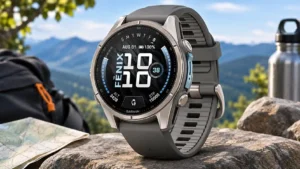
Health sensing largely carries over from the previous generation. Buyers seeking a major improvement in tracking precision have little reason to upgrade on that basis alone.
Pros: battery life, mapping and navigation
Cons: value for money, LTE connectivity