Best for map and navigation design
Donkey Kong Bananza
4.6 attribute score
Highest scored product for this attribute based on supporting review evidence.

Highest scored product for this attribute based on supporting review evidence.
Balances the attribute score, supporting reviews, and overall product strength.
Has the broadest review evidence for this attribute.
Strongest overall product among items with scored evidence for this attribute.
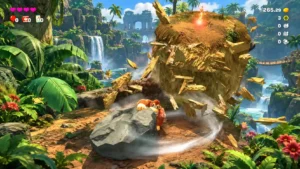
Overall: 4.4/5
The live 3D map, collectible lists, and musical guidance help make complicated spaces understandable. A few find individual worlds confusing despite those tools.
Pros: overall quality, world interactivity
Cons: frame rate stability, boss design
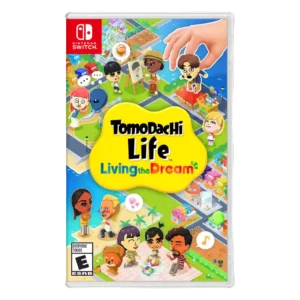
Overall: 3.9/5
One review praises the ability to use the menu to jump straight to characters instead of searching tediously.
Pros: character customization, fun factor
Cons: content variety, gameplay mechanics

Overall: 4.3/5
Regional collectible counts, clear points of interest, and improved sightlines make navigation easier. The detailed minimap can reveal so much that some prefer exploring without it.
Pros: remake/remaster quality, overall quality
Cons: difficulty balance, menu usability
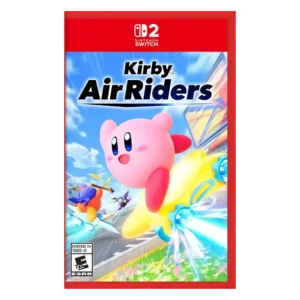
Overall: 4.3/5
City Trial's map was praised for rewarding learning and shifting play, though one reviewer called the city bland after repeats.
Pros: battle mode quality, content variety
Cons: learning curve, competitive balance
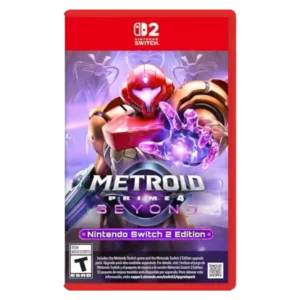
Overall: 3.6/5
Navigation was approachable and sometimes praised, but aggressive guidance and logbook tracking issues split opinion.
Pros: boss design, graphics quality
Cons: open-world design, side character depth
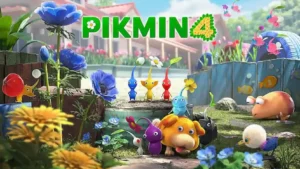
Overall: 3.7/5
The map provides a practical way to plan routes through the large, treasure-filled locations.
Pros: Dandori Academy mode, overall quality
Cons: DLC value, Dandori Academy stage rollout
Overall: 3.9/5
Kanto encourages self-directed navigation and satisfying backtracking, although older dungeons such as Rock Tunnel can be frustrating without the right utility move.
Pros: fun factor, faithfulness to franchise
Cons: remake/remaster quality, value for money

Overall: 4.1/5
Opinions on the map and navigation design are mixed, balancing worthwhile ideas against noticeable friction or limitations.
Pros: narrative quality, fun factor
Cons: grind level, learning curve
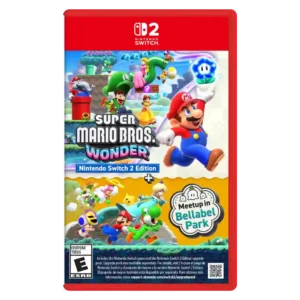
Overall: 3.9/5
Finding scattered Koopaling tents and moving between some activities can be awkward, and a few writers call the mode layout confusing or the new stages too quick to navigate. Others...
Pros: fun factor, multiplayer design
Cons: matchmaking quality, map and navigation design
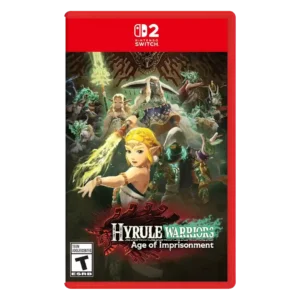
Overall: 4.1/5
Map and navigation design was mixed, with useful territory/progression structure offset by cluttered or cheap-feeling interfaces.
Pros: combat system, character roster
Cons: level design, mission design
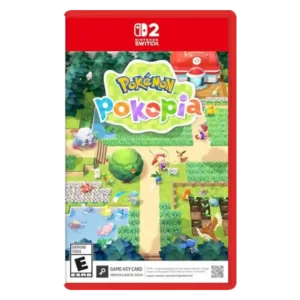
Overall: 4.2/5
Map and navigation design drew complaints about limited map detail, lack of full-screen access, and weak labeling.
Pros: core gameplay loop, content variety
Cons: pacing, menu usability

Overall: 4.1/5
Wuhu’s hidden collectibles reward careful searching, but the lack of an in-play map can make complete discovery difficult. Learning the island’s layout becomes part of the challenge.
Pros: core gameplay loop, content variety
Cons: economy and resource balance, art direction
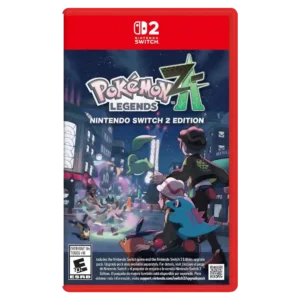
Overall: 3.5/5
Map and navigation design drew criticism when map zoom or Pokédex location guidance made places and Pokémon harder to find.
Pros: combat system, exploration quality
Cons: graphics quality, voice acting
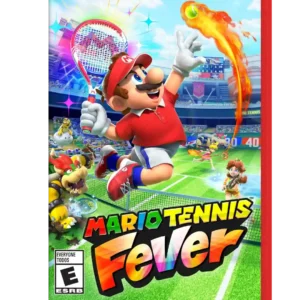
Overall: 3.7/5
Adventure's map design is mostly criticized for being small, linear, or padded with unnecessary movement. Reviewers frequently felt the world map added travel time without enough discovery to justify it.
Pros: fun factor, gameplay mechanics
Cons: tutorial quality, onboarding experience
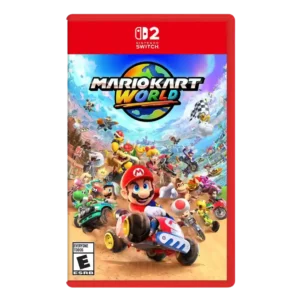
Overall: 3.6/5
Map and navigation design was a repeated concern, with weak tracking, unhelpful maps, and poor collectible visibility called out across reviews.
Pros: content variety, soundtrack quality
Cons: open-world design, exploration quality