#1
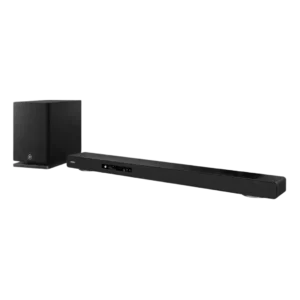
The best modes create an enveloping, 360-degree bubble that extends around and above the listener. Music and films can feel room-filling rather than locked to the bar.
Pros: Home theater integration, Overall product quality
Cons: Value for money, Small-room suitability
#2

Multi-directional drivers spread sound effectively through open spaces, giving more even coverage away from the speaker's front. Owners replacing conventional bookshelf setups particularly appreciate the broader room coverage.
Pros: Overall sound quality, Design and aesthetics
Cons: Value for money, Overall product quality
#3
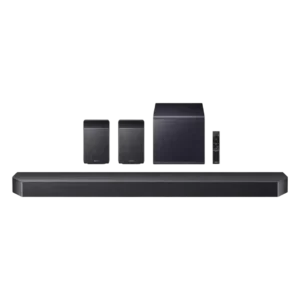
The system’s bass and spatial presentation are described as non-directional or room-filling enough to feel omnidirectional.
Pros: Value for money, Surround sound simulation
Cons: Status indicators, Wi-Fi streaming reliability
#4
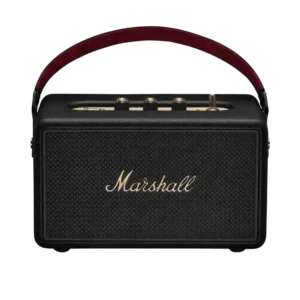
Omnidirectional sound is widely praised, with reviewers describing clear sound at every angle, no dead spots, and useful 360-degree coverage.
Pros: Design and aesthetics, Battery life (if portable)
Cons: Weight convenience, Inter-speaker connectivity
#5

The 360-degree presentation is repeatedly praised for producing a wide, immersive sound from many listening positions. Reviewers generally found the effect convincing rather than just a marketing claim.
Pros: Overall sound quality, Battery life (if portable)
Cons: Price / value for money, Weight convenience
#6
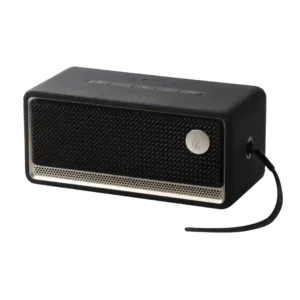
The front-and-rear driver layout gives the ES60 convincing room coverage and fairly consistent sound from multiple angles. Placement still matters if you want the strongest frontal presentation.
Pros: Overall sound quality, Overall satisfaction
Cons: Battery life (if portable), EQ customization
#7

The listening sweet spot is wider than expected for a soundbar, with several tests reporting consistent clarity off-center. Rear envelopment can fade when moving substantially away from the middle seat.
Pros: Overall product quality, Overall sound quality
Cons: Value for money, Video passthrough support
#8
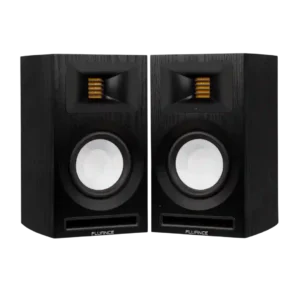
One measured/listening review praised wide, even coverage, supporting a broad listening area rather than a tiny sweet spot.
Pros: Detail retrieval, Value for money
Cons: optical, Smart features
#9
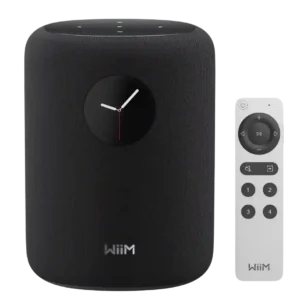
Wide dispersion helps the speaker spread sound evenly rather than feeling narrowly localized. It is not a true 360-degree design, but off-axis room coverage is a clear strength.
Pros: Overall product quality, Overall sound quality
Cons: AirPlay compatibility, Smart assistant integration (Alexa
#10
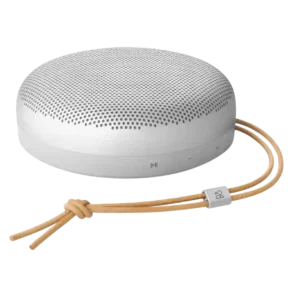
Omnidirectional sound was generally positive, though one reviewer disputed true 360-degree behavior while still finding placement easy.
Pros: Frequency response balance, Price / value for money
Cons: Drop resistance durability, Smart assistant integration (Alexa
#11

Omnidirectional sound is mixed-to-positive: many reviewers liked the consistent 360-degree dispersion, while TechRadar thought the 360-degree sound was not great.
Pros: Frequency response balance, Price / value for money
Cons: Microphone, Dust resistance rating
#12
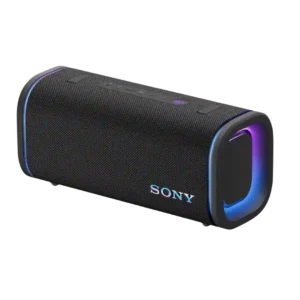
The Field 5 is not truly omnidirectional; reviewers note reduced expansiveness vertically and wish it offered 360-degree sound.
Pros: Loudness / maximum volume, Battery life (if portable)
Cons: Voice clarity, Stereo imaging accuracy
#13

Omnidirectional performance is limited because reviewers describe the front-firing design as directional or poor off-axis.
Pros: Handle or strap quality, Frequency response balance
Cons: Price / value for money, Loudness / maximum volume
#14

The Boombox 4 is decidedly front-facing rather than 360-degree. Reviewers say sound quality and tonal balance diminish off-axis, so placement matters if people are spread around the speaker.
Pros: Overall satisfaction, Overall sound quality
Cons: Energy efficiency, Microphone
#15

Omnidirectional performance is limited because the forward-facing design can sound one-directional and lose clarity off-axis.
Pros: Frequency response balance, LED lighting effects
Cons: Float capability, Handle or strap quality
#16

A single unit is not especially room-dispersive: reviewers describe the sound as localized to one small source and anchored to the speaker's position.
Pros: Overall sound quality, Smart features
Cons: Value for money, On-device controls
#17

Omnidirectional sound is weak in the available evidence because one reviewer says the speaker is very directional.
Pros: Frequency response balance, Price / value for money
Cons: Distortion at high volume, Backwards compatibility
#18

The Muo is primarily directional rather than truly omnidirectional. Listening from the front gives the clearest result.
Pros: Design and aesthetics, Music performance
Cons: Price / value for money, App reliability
