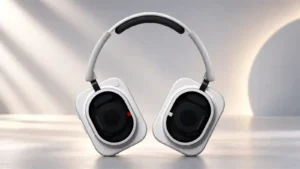
USB-C audio is more than a convenience here: hi-res wired playback can reveal extra detail compared with lower-resolution alternatives.
Pros: Active noise cancellation, Overall recommendation
Cons: Carry case quality, Value for money

USB-C audio is more than a convenience here: hi-res wired playback can reveal extra detail compared with lower-resolution alternatives.
Pros: Active noise cancellation, Overall recommendation
Cons: Carry case quality, Value for money
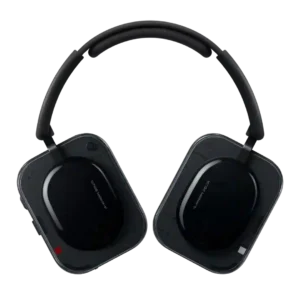
USB-C is especially useful because it handles both charging and digital audio while retaining physical-control functionality in the tested setup.
Pros: Battery, Active noise cancellation
Cons: Bass performance, Carry case quality
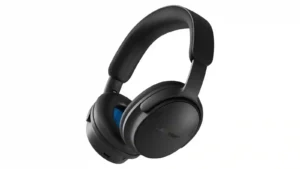
USB-C is one of the most praised upgrades, adding lossless wired playback, charging while listening, and broader laptop/phone usefulness. Reviewers repeatedly wish this were standard on more headphones.
Pros: Overall recommendation, Active noise cancellation
Cons: Battery, Equalizer customization
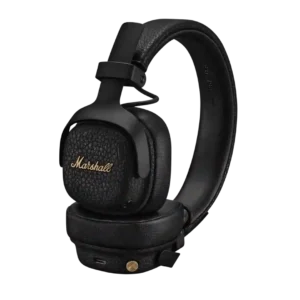
USB-C audio is a major strength, providing simple, low-latency wired playback and often clearer, punchier sound than Bluetooth. It can also charge during digital use.
Pros: Overall recommendation, Battery
Cons: Wear detection auto-pause, Noise isolation (passive)

USB-C support is positive where it is tied to universal compatibility through included adapters.
Pros: Design and Aesthetics, Built-in DAC and hi-res playback
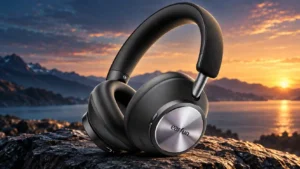
USB-C audio is a useful wired option that retains ANC and can support microphone use or charging. Control over charging helps avoid draining a connected phone, while the short included...
Pros: Comfort during long use, Ear cup padding quality
Cons: Frequency response accuracy, Treble clarity
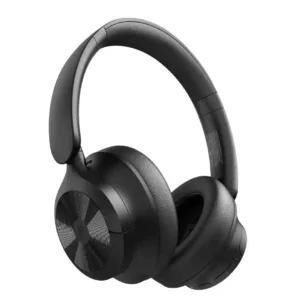
USB-C charging is practical and fast, delivering hours of playback from a brief charge.
Pros: Comfort during long use, Sound quality
Cons: Button control usability, Codec support

USB-C use for charging was described as straightforward, supporting the overall convenience of charging.
Pros: Battery, Active noise cancellation
Cons: Transparency mode quality, Carry case quality
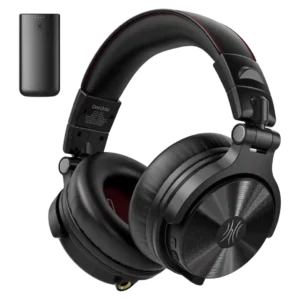
USB-C received limited but positive evidence as a welcome modern connection.
Pros: Overall recommendation, Comfort during long use
Cons: Sound quality, Frequency response accuracy
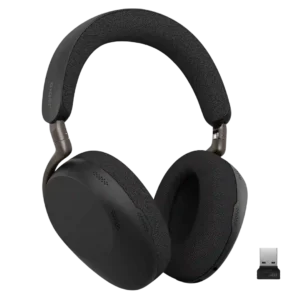
USB-C charging fits neatly into a modern desk setup, but one tester criticized the port for not supporting wired listening.
Pros: Battery, Charging
Cons: Value for money, Codec support
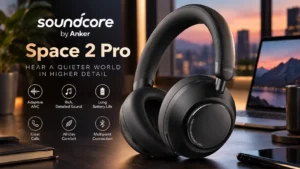
USB-C fast charging is praised for convenient top-ups. The port’s lack of USB audio is a disappointment for those wanting digital wired listening.
Pros: Active noise cancellation, Sound quality
Cons: Carry case quality, Included accessories
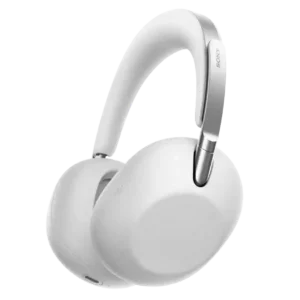
USB-C is limited to charging, with no digital audio playback. This is one of the most repeated and least defensible omissions at the price.
Pros: Comfort during long use, Premium feel
Cons: Battery, Value for money

USB-C is primarily a charging connection rather than a dependable wired-audio option, a recurring frustration for travelers and lossless-audio users.
Pros: Overall recommendation, Replaceable pads/headband
Cons: 3.5mm analog input availability, Travel friendliness