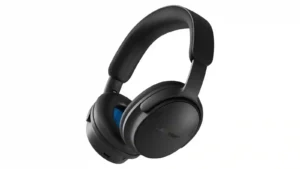
Spatial audio works especially well for movies, shows, and gaming according to one detailed comparison, adding an engaging sense of space.
Pros: Overall recommendation, Active noise cancellation
Cons: Battery, Equalizer customization

Spatial audio works especially well for movies, shows, and gaming according to one detailed comparison, adding an engaging sense of space.
Pros: Overall recommendation, Active noise cancellation
Cons: Battery, Equalizer customization
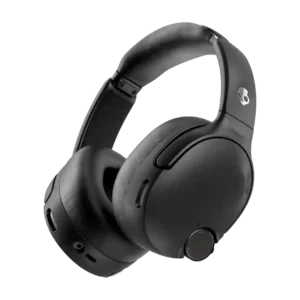
TrueSpatial is more than a novelty: reviewers heard a wider, speaker-like presentation and convincing head tracking. It works especially well for movies, stationary listening, and immersive music playback.
Pros: Value for money, Bass performance
Cons: Weight comfort, Frequency response accuracy
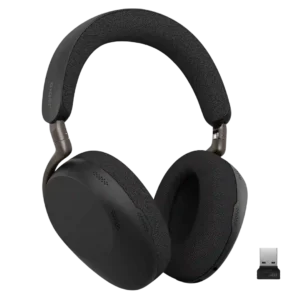
Spatial processing is often useful for making calls feel more natural and adding media depth. One listener found the music upmixing too boomy, so its value depends on content.
Pros: Battery, Charging
Cons: Value for money, Codec support
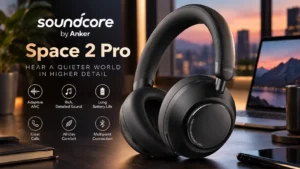
Spatial audio earns praise for movie depth and a wider presentation on suitable recordings. Several listeners prefer it for video rather than ordinary music.
Pros: Active noise cancellation, Sound quality
Cons: Carry case quality, Included accessories

Spatial Audio can be highly immersive for movies and compatible music, especially with head tracking. Some listeners leave it off because it can alter bass or add an artificial echo.
Pros: Overall recommendation, Replaceable pads/headband
Cons: 3.5mm analog input availability, Travel friendliness
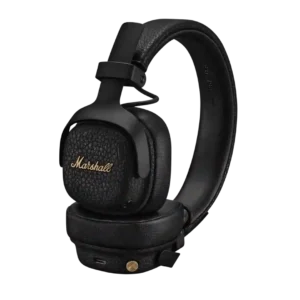
Soundstage mode can add convincing room-like depth and immersion, and several reviewers kept it enabled. Others find it subtle, bass-reducing, artificial, or inferior to true spatial audio.
Pros: Overall recommendation, Battery
Cons: Wear detection auto-pause, Noise isolation (passive)

Spatial audio is capable but taste-dependent. Some reviewers found the modes immersive and technically impressive, while others called them light-touch, gimmicky or something they would rarely use.
Pros: Active noise cancellation, Overall recommendation
Cons: Carry case quality, Value for money

Spatial modes work best for movies and gaming, where they add scale, envelopment, and clearer positional cues. Music mode is much more divisive and is often subtle, artificial, blurred, or...
Pros: Overall recommendation, Active noise cancellation
Cons: Bass performance, Clamping force comfort

Spatial and 360 Upmix modes divide opinion: Cinema can add scale and impact, while Music and Game often sound processed, tinny, or less natural.
Pros: Comfort during long use, Premium feel
Cons: Battery, Value for money

Spatial or 3D audio was mixed to weak: one reviewer found it fine, another better than expected, and another said it did little.
Pros: Battery, Active noise cancellation
Cons: Transparency mode quality, Carry case quality
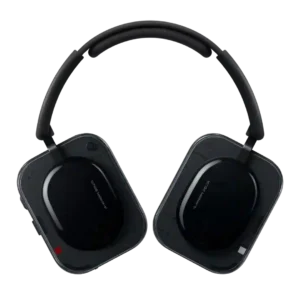
Spatial modes are mostly a mixed-to-negative extra: several reviewers hear hollow, processed, or echoey results, while a minority find the Concert effect useful for expanding the presentation.
Pros: Battery, Active noise cancellation
Cons: Bass performance, Carry case quality