#1
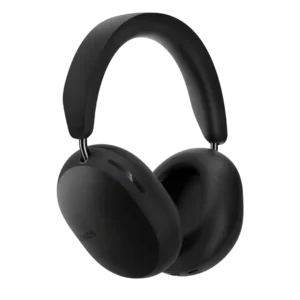
Overall: 4.0/5
Spatial audio was a key strength for movies and TV, though some reviewers found head tracking or accuracy less useful for music.
Pros: Overall recommendation, Comfort during long use
Cons: Ecosystem integration, Equalizer customization
#2
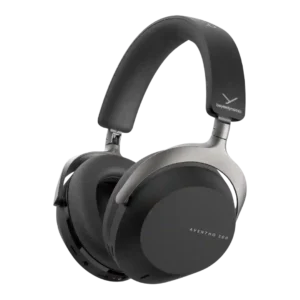
Overall: 3.9/5
Spatial audio is mixed: some enjoy the added space, while others find head tracking rough or the effect thin and distracting.
Pros: Bass performance, Sound quality
Cons: Active noise cancellation, Comfort during long use
#3
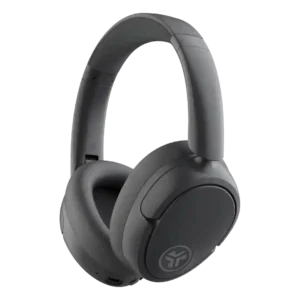
Overall: 3.7/5
Spatial audio impressions are split: CGMagazine and Tom’s Guide praised it strongly, while Loud & Wireless heard little difference between modes.
Pros: Overall recommendation, Value for money
Cons: Bass performance, Midrange clarity
#4
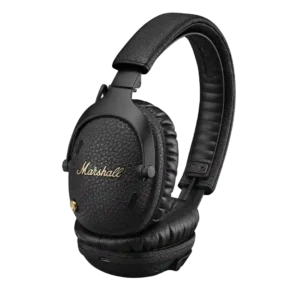
Overall: 4.2/5
Spatial audio was divisive: some liked the extra space, but others found it unnatural, underwhelming, or below true Atmos-style experiences.
Pros: Battery, Active noise cancellation
Cons: Spatial audio, 3.5mm analog input availability
#5
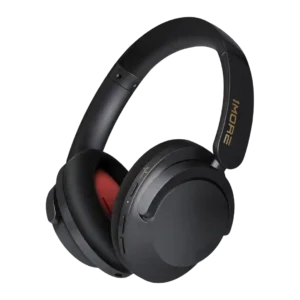
Overall: 3.8/5
Spatial audio was mixed: some found it airy or impressively speaker-like, while another recommended turning it off due to quality tradeoffs.
Pros: Battery, Sound quality
Cons: App, Multipoint connectivity reliability
#6
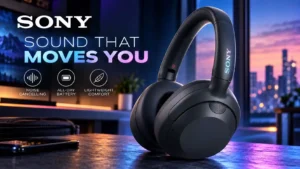
Overall: 3.8/5
Spatial audio can add depth and immersion, but appeal depends heavily on content and taste. Restricted devices, apps, and difficult head-tracking setup reduce its usefulness.
Pros: Active noise cancellation, Sound quality
Cons: Bass performance, Midrange clarity
#7
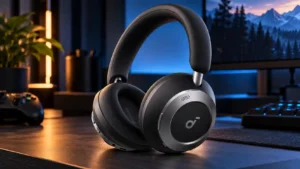
Overall: 3.9/5
Dolby processing can add useful space to movies and live recordings. For music, several listeners prefer it off because it exaggerates bass or weakens their chosen EQ balance.
Pros: Sound quality, Comfort during long use
Cons: Carry case quality, Included accessories
#8
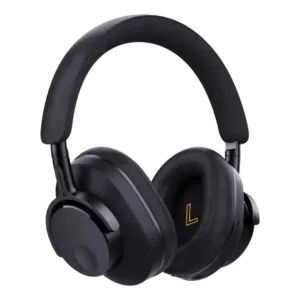
Overall: 4.3/5
Spatial audio was a clear limitation, with reviewers noting no spatial audio and steering head-tracking seekers toward other brands.
Pros: Value for money, Sound quality
Cons: Stability, Wind noise handling
