
Stereo imaging is precise, placing instruments and effects in distinct positions across the wide soundstage.
Pros: Overall recommendation, Replaceable pads/headband
Cons: 3.5mm analog input availability, Travel friendliness

Stereo imaging is precise, placing instruments and effects in distinct positions across the wide soundstage.
Pros: Overall recommendation, Replaceable pads/headband
Cons: 3.5mm analog input availability, Travel friendliness
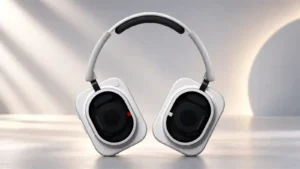
Imaging is excellent, with precise instrument positioning complementing the wider soundstage.
Pros: Active noise cancellation, Overall recommendation
Cons: Carry case quality, Value for money
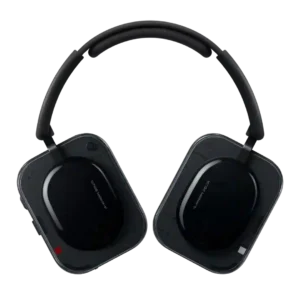
Imaging is strong enough for positional gaming cues such as footsteps and gunshots to come through clearly.
Pros: Battery, Active noise cancellation
Cons: Bass performance, Carry case quality
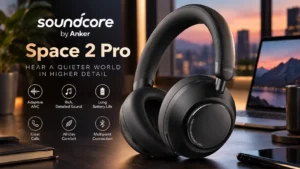
Several listening tests praise accurate instrument placement and believable depth, especially after sound personalization. Even a strongly critical sound assessment finds spatial positioning a relative strength.
Pros: Active noise cancellation, Sound quality
Cons: Carry case quality, Included accessories
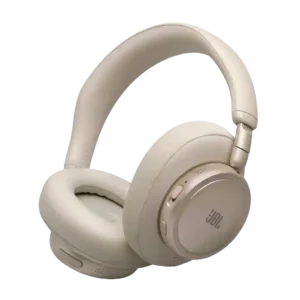
Imaging is generally accurate, with clear center and left-right placement and particularly strong directional cues in gaming. Layering between the main positions is less impressive.
Pros: Overall recommendation, Active noise cancellation
Cons: Bass performance, Clamping force comfort

Instrument placement is generally clear and stable within a fairly intimate stage. EQ can improve apparent depth, while some comparisons still favor rivals for layering and spatial precision.
Pros: Comfort during long use, Ear cup padding quality
Cons: Frequency response accuracy, Treble clarity
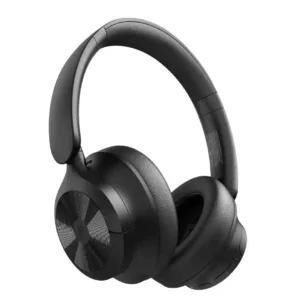
Center placement is generally usable, but imaging is not sharply defined; lateral positions can become fuzzy and center boundaries vague.
Pros: Comfort during long use, Sound quality
Cons: Button control usability, Codec support