
The 10-band custom EQ provides unusually fine control and can correct personal tuning preferences. Some listeners found the app essential for getting their ideal sound.
Pros: Comfort during long use, Premium feel
Cons: Battery, Value for money

The 10-band custom EQ provides unusually fine control and can correct personal tuning preferences. Some listeners found the app essential for getting their ideal sound.
Pros: Comfort during long use, Premium feel
Cons: Battery, Value for money

The app’s 10-band or semi-parametric EQ is unusually flexible, with custom curves, saved presets, and hearing-based personalization. That control matters because it can quickly tame the heavy default bass.
Pros: Overall recommendation, Active noise cancellation
Cons: Bass performance, Clamping force comfort

The ten-band parametric EQ is a defining strength, allowing precise correction of bass, vocal presence, and narrow treble peaks. Its results are excellent for many listeners, but the interface and...
Pros: Comfort during long use, Ear cup padding quality
Cons: Frequency response accuracy, Treble clarity
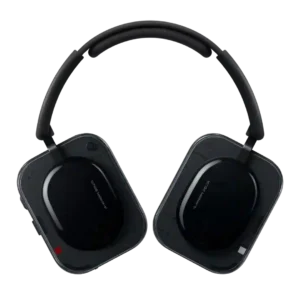
The advanced EQ is a standout feature, offering unusually deep frequency and Q-factor control for wireless headphones. It can substantially improve the stock tuning, though a few reviewers find it...
Pros: Battery, Active noise cancellation
Cons: Bass performance, Carry case quality

EQ customization is unusually deep, ranging from simple presets to a flexible parametric EQ with per-driver control. Enthusiasts love the flexibility, though the sheer number of options can feel overwhelming.
Pros: Active noise cancellation, Overall recommendation
Cons: Carry case quality, Value for money
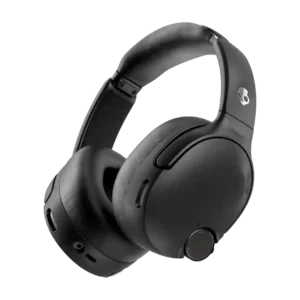
A customizable five-band EQ gives more control than many competing apps. Reviewers liked being able to combine custom tuning with Crusher bass, personal sound, and spatial modes.
Pros: Value for money, Bass performance
Cons: Weight comfort, Frequency response accuracy

EQ customization was a major strength, with reviewers praising the broad EQ, HearID personalization and ability to tune sound.
Pros: Battery, Active noise cancellation
Cons: Transparency mode quality, Carry case quality
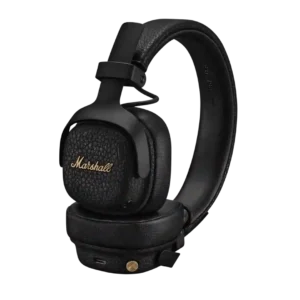
The five-band EQ is effective at taming excess bass, recessed mids, or bright treble. Fine-tuning is useful, though the missing reset and zero markers make experimentation less convenient.
Pros: Overall recommendation, Battery
Cons: Wear detection auto-pause, Noise isolation (passive)
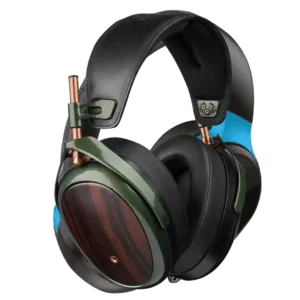
EQ can tame upper-treble energy, add lower-mid body, or improve bass balance. For the most treble-sensitive listener, correction may require narrower and more deliberate filters rather than one broad adjustment.
Pros: Bass performance, Design and Aesthetics
Cons: Headband adjustability

A five-band custom EQ and presets provide useful tuning control, though the adjustment range is basic compared with the best consumer apps.
Pros: Battery, Charging
Cons: Value for money, Codec support

HearID and manual EQ can dramatically improve clarity, balance, and bass control for many listeners. More critical tests find the fixed bands cannot fully target the main tuning problems.
Pros: Active noise cancellation, Sound quality
Cons: Carry case quality, Included accessories
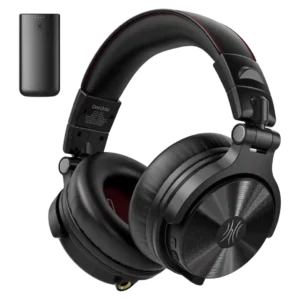
Custom EQ was valuable for taming the tuning, especially brightness, but one review found its EQ modes made music crunchier.
Pros: Overall recommendation, Comfort during long use
Cons: Sound quality, Frequency response accuracy
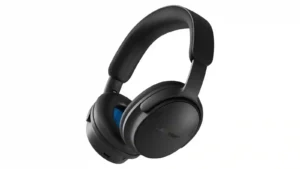
The three-band EQ is easy to understand but too limited for serious tuning. Casual users often find it sufficient, while enthusiasts repeatedly ask for more bands and finer control.
Pros: Overall recommendation, Active noise cancellation
Cons: Battery, Equalizer customization

Manual EQ is one of the most repeated software complaints. Adaptive tuning is automatic, but users cannot freely shape bass, mids and treble to preference.
Pros: Overall recommendation, Replaceable pads/headband
Cons: 3.5mm analog input availability, Travel friendliness
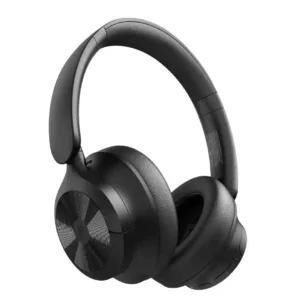
There is no built-in or app-based EQ control, so listeners who dislike the stock tuning have little ability to reshape it.
Pros: Comfort during long use, Sound quality
Cons: Button control usability, Codec support