#1
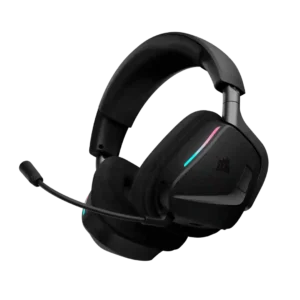
Dolby Atmos and Tempest 3D Audio are praised for sharpening directional awareness and immersion. In competitive games, spatial processing helps make footsteps and positional cues easier to locate.
Pros: Overall satisfaction, Sound quality
Cons: Reliability, App
#2
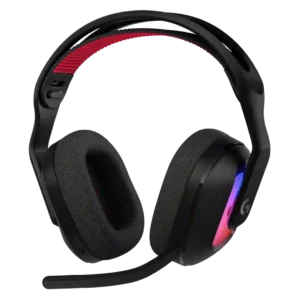
Spatial presentation is a strong gaming feature, helping place enemies and environmental sounds convincingly around the player. It is particularly effective in immersive and competitive titles.
Pros: Overall satisfaction, Sound quality
Cons: Fit/seal reliability, Multipoint connectivity reliability
#3

Spatial presentation is strong, with reviewers describing directional cues as precise and, in one case, calling the spatial audio top-notch for locating footsteps and gunshots.
Pros: Included stand quality, Overall satisfaction
Cons: Active noise cancellation, Volume output
#4
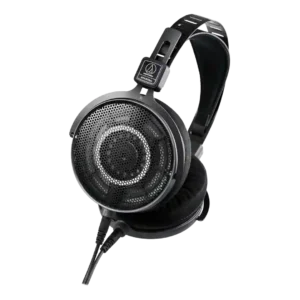
Spatial performance is praised for impressive imaging and positional cues, including mixing placement and gaming directionality.
Pros: Sound quality, Overall recommendation
Cons: Cable quality, Volume output
#5
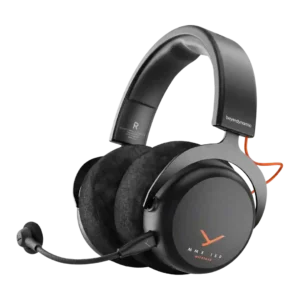
Spatial presentation is praised in gaming, including PS5 3D audio, immersive soundscapes, and strong spatial awareness.
Pros: Sound quality, Comfort during long use
Cons: Equalizer customization, Console compatibility limitations
#6
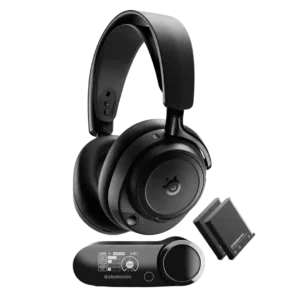
Spatial audio is generally praised for immersion, depth, and open-world presentation, though the tuning is more cinematic than strictly esports-focused.
Pros: Sound quality, Connectivity versatility
Cons: Value for money, Carry case quality
#7
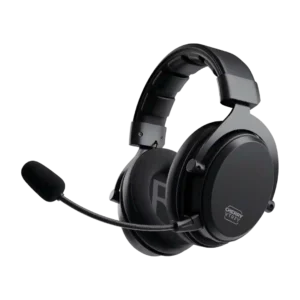
Spatial and immersive presentation was a recurring strength, especially for gaming and directional awareness.
Pros: Connectivity versatility, Sound quality
Cons: Equalizer customization, App
#8
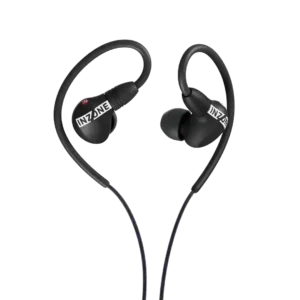
Spatial processing is usually praised for improving direction, distance, and immersion, and several users consider it exceptionally accurate. A few find it filtered, muffled, or less natural, so its value...
Pros: Overall satisfaction, Sound quality
Cons: Bass performance, Treble clarity
#9
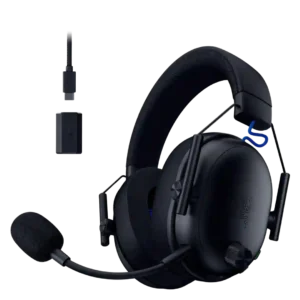
Spatial processing is usually a strength, especially for competitive games where THX or surround cues improve awareness. One customer, however, felt the spatial effect was almost absent in music.
Pros: Overall satisfaction, Sound quality
Cons: Button control usability, Dongle
#10

Spatial audio was praised for gaming immersion and directionality, especially through Sonar or console spatial systems.
Pros: Value for money, Sound quality
Cons: Treble clarity, Noise isolation (passive)
#11

Spatial audio earns strong praise for surround-like movie playback, immersive staging, and best-in-class implementation, though one reviewer personally dislikes it.
Pros: Active noise cancellation, Sound quality
Cons: Android compatibility, Carry case quality
#12

Spatial audio was often strong for movies and immersive use, though at least one reviewer found it distracting for music.
Pros: Active noise cancellation, Sound quality
Cons: Value for money, Carry case quality
#13
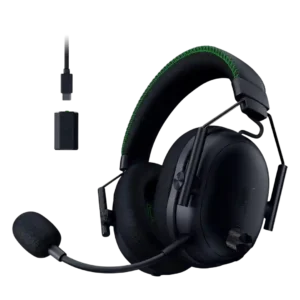
Spatial audio was usually positive for immersion and positional depth, though some reviewers preferred stereo for competitive play or found ANC narrowed the presentation.
Pros: Microphone, Comfort during long use
Cons: Dongle, Software/setup simplicity
#14

Spatial audio was a clear strength, especially for home theater use, though one review found the Cinema effect less compelling than Music mode.
Pros: Overall recommendation, Value for money
#15
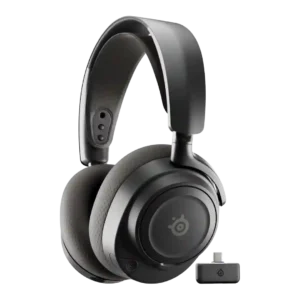
Spatial audio was generally useful for immersion and positional effects, though one reviewer preferred avoiding it for competitive play.
Pros: Sound quality, Value for money
Cons: Dongle, Noise isolation (passive)
#16
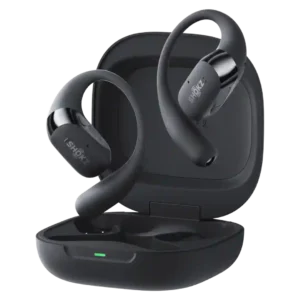
Spatial/Dolby audio was usually praised for richer, wider, more immersive sound, but some reviewers preferred it for video or podcasts over music and one found it gimmicky.
Pros: Comfort during long use, Sound quality
Cons: Find My, Carry case quality
#17
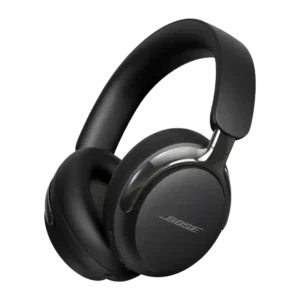
Spatial and cinema modes are divisive: movie use receives praise, while music-focused immersive modes are less consistently liked.
Pros: Active noise cancellation, Comfort during long use
Cons: Value for money, Equalizer customization
#18
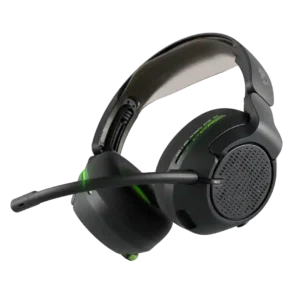
THX Spatial Audio can add strong immersion and convincing head-tracked movement, but reviewers disagree on its precision and usefulness. Some found it excellent; others found distance controls subtle or head...
Pros: Overall satisfaction, Bass performance
Cons: Value for money, Microphone
#19
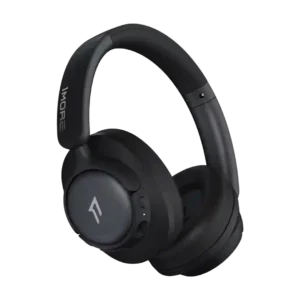
Spatial audio was mostly seen as a pleasant width or immersion booster, with caveats that it is not flagship-level or can sound artificial.
Pros: Battery, Sound quality
Cons: Midrange clarity, Button control usability
#20
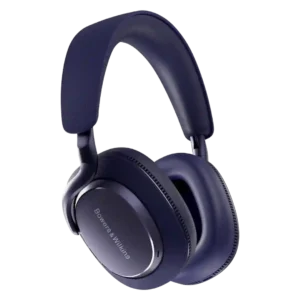
Spatial audio is not yet proven in reviews, but Audioholics is genuinely interested in B&W's planned implementation.
Pros: Sound quality, Active noise cancellation
#21

Spatial audio had limited evidence, but one reviewer said Android spatial audio produced a more spacious sound.
Pros: Sound quality, Touch control responsiveness
Cons: Water/sweat resistance rating, Sensors
#22
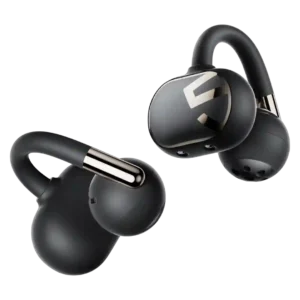
Dolby Audio can add width, depth, and immersion, especially for movies and games. Music results are more subjective, with some reviewers loving the added space and others hearing little benefit...
Pros: Comfort during long use, Sound quality
Cons: Carry case quality, Touch control responsiveness
#23
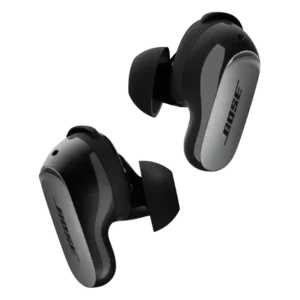
Spatial audio is divisive: some reviewers find it natural, cool, or useful, while others prefer standard stereo or dislike the processing.
Pros: Active noise cancellation, Sound quality
Cons: Value for money, Battery
#24
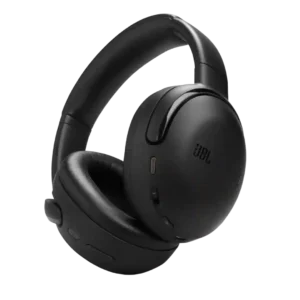
Spatial audio was divisive: some reviewers loved the movie immersion, while others found it echoey, disappointing, or merely decent.
Pros: Sound quality, Dongle
Cons: Premium feel, Build quality
#25
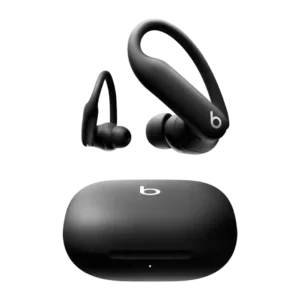
Spatial audio was mixed: several reviewers liked the feature and head tracking, while one found it harsh for music.
Pros: Active noise cancellation, Battery
Cons: Carry case quality, Sensors
#26
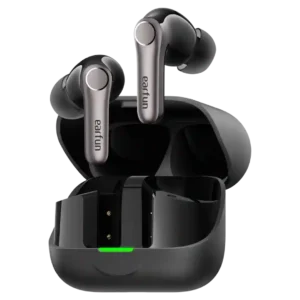
There is no dedicated spatial-audio processing, but reactions to that omission are mostly mild. Some reviewers missed the feature, while others felt the natural width and depth made artificial spatial...
Pros: Value for money, Sound quality
Cons: Lossless audio support, Microphone noise reduction
#27
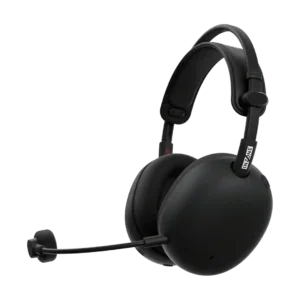
Spatial audio can add convincing immersion and strong 3D positioning, particularly on PlayStation. Sony’s personalized setup is more controversial because some reviewers found the ear-scanning process cumbersome or not worth...
Pros: Overall satisfaction, Sound quality
Cons: Value for money, Battery
#28
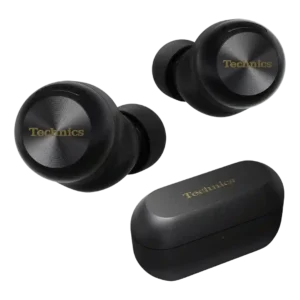
Spatial audio is mixed: reviewers appreciate Dolby/head-tracking support, but several find it merely decent, distracting, or less clear than stereo.
Pros: Sound quality, Active noise cancellation
#29
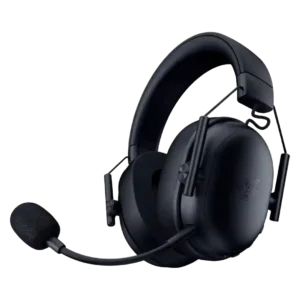
Spatial audio is sharply mixed. Some players love 7.1 for gaming and directional immersion, while others hear little benefit, dislike the artificial sound, or resent extra software and paid processing.
Pros: Overall satisfaction, Sound quality
Cons: Software/setup simplicity, Clamping force comfort
#30

Spatial audio is highly effective for movies, creating a convincing theater-like space for some users. For music, opinions are mixed because it can add reverb, weaken bass, or sound overly...
Pros: Overall satisfaction, Sound quality
Cons: Bass performance, Volume output
#31
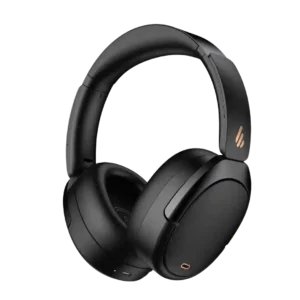
Spatial and theater-style audio was mixed: theater mode impressed one reviewer, while another did not find extra modes useful.
Pros: Battery, Value for money
#32
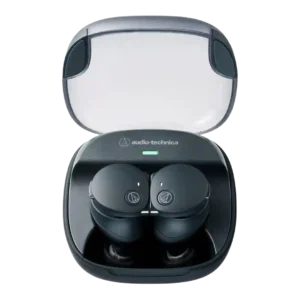
Spatial audio opinions were divided, ranging from disappointment or superfluousness to strong immersion and impressive 360 Reality Audio effects.
Pros: Battery, Bass performance
Cons: Button control usability, Active noise cancellation
#33
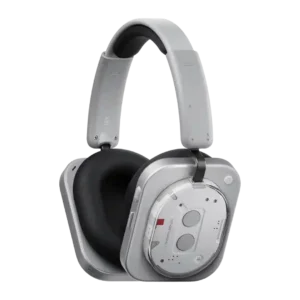
Spatial audio was mixed: some found it useful for movies and broad device support, while others called it weak, limp, or harmful to music.
Pros: Sound quality, Battery
Cons: Weight comfort, Soundstage width
#34
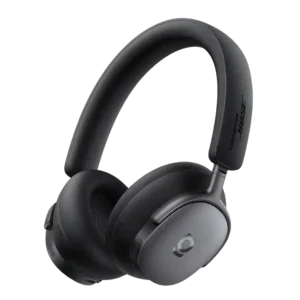
Spatial audio was highly mixed, ranging from terrible or disappointing in several reviews to immersive and impressive in others.
Pros: Bass performance, Overall recommendation
Cons: Transparency mode quality, Immersive audio quality
#35

Spatial audio split reviewers: some liked the immersion, but several found it gimmicky, scratchy, or disappointing.
Pros: Comfort during long use, Charging
Cons: Spatial audio, Volume output
#36
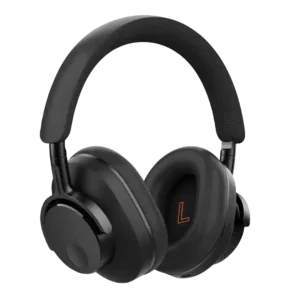
Spatial audio is absent, which some reviewers list as a limitation, though others say the natural soundstage reduces the sting.
Pros: Overall recommendation, Comfort during long use
Cons: Headband padding quality, Spatial audio
#37
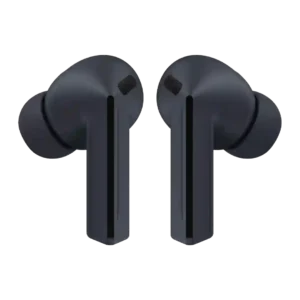
Spatial audio is mixed: one reviewer likes the immersive 360 effect, while others dislike the lack of head tracking or find the effect diffused.
Pros: Value for money, Active noise cancellation
Cons: Multipoint connectivity reliability, Charging
#38
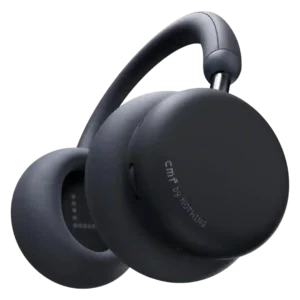
Spatial audio is highly mixed and often the weakest software feature. Concert mode sometimes adds welcome width, but Cinema and other processing frequently introduce muddiness, harshness, echo, or an unnatural...
Pros: Sound quality, Active noise cancellation
Cons: Treble clarity, Equalizer customization
#39
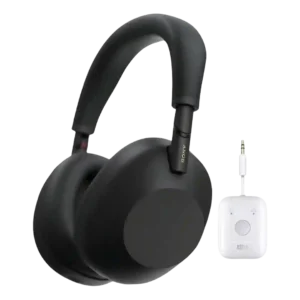
Spatial audio was one of the most mixed areas: cinema use sometimes impressed reviewers, but music support, setup, and service availability drew criticism.
Pros: Sound quality, Active noise cancellation
Cons: Touch control responsiveness, Spatial audio
#40
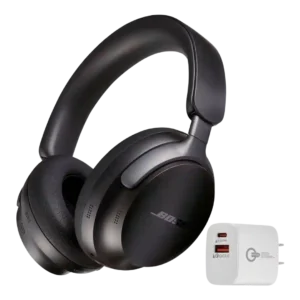
Reviewer evidence was mostly critical of spatial audio, emphasizing limitations rather than a reliable strength.
Pros: Active noise cancellation, Sound quality
Cons: Battery, Immersive audio quality
#41
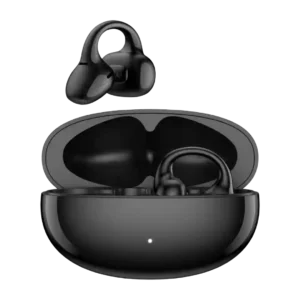
Spatial audio is mostly a weak point, often described as poor, gimmicky, recessed, or harmful to music, with a few movie/gaming positives.
Pros: Sound quality, Sensors
Cons: Active noise cancellation, Spatial audio
#42
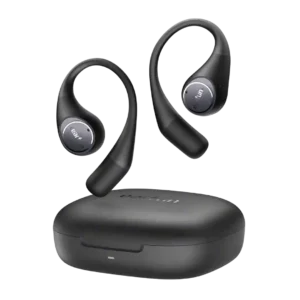
Theater/spatial mode was highly polarizing, praised by some for movie-like width but criticized by others for tinny sound or harming music.
Pros: Value for money, Sound quality
Cons: Touch control responsiveness, Bass performance
#43

Spatial audio is mostly treated as a secondary feature: useful or fine when available, but limited by Pixel-only support or lack of head tracking.
Pros: Sound quality, Battery
Cons: Touch control responsiveness, Charging
#44
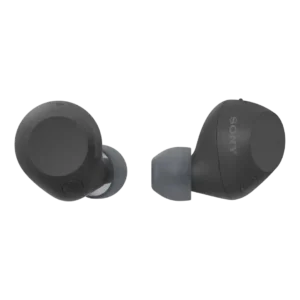
Spatial audio support was not a major draw, with reviewers noting limited service support or calling the feature unimpressive.
Pros: Value for money, Sound quality
Cons: Codec support, LDAC
#45
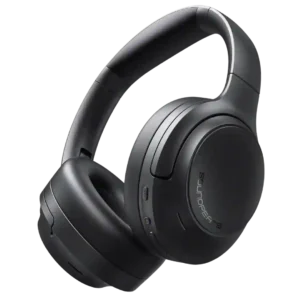
Built-in spatial audio is a weak point overall: a few found it mildly immersive, but several called it experimental, gimmicky, distorted, or best left disabled.
Pros: Overall satisfaction, Sound quality
Cons: Carry case quality, Transparency mode quality
#46
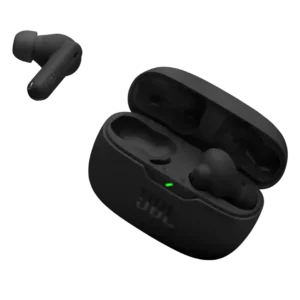
Spatial audio was a weakness in the one review that addressed it, which found the sound not immersive.
Pros: Value for money, Stability
Cons: Treble clarity, Transparency mode quality
#47
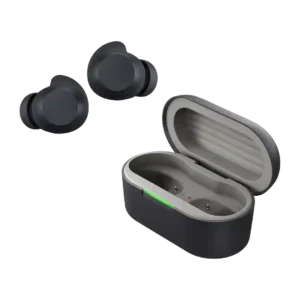
Spatial audio is a weakness because the product lacks the more immersive, three-dimensional focus found in pricier LG earbuds.
Pros: Battery, Active noise cancellation
Cons: Comfort during long use, Sound quality
#48
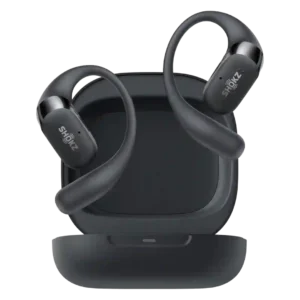
Spatial audio is a limitation for the standard OpenFit 2, with one reviewer specifically noting the absence of 3D or spatial audio.
Pros: Sound quality, Comfort during long use
Cons: Active noise cancellation, Sensors
#49
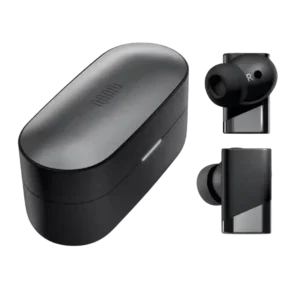
Spatial audio is a miss for users who care about it; one reviewer specifically notes the Pro X lacks support.
Pros: Sound quality, Active noise cancellation
Cons: Sensors, Ear tip size options
#50
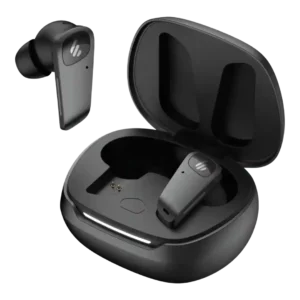
Spatial audio is a clear missing-feature complaint from the available evidence.
Pros: Sound quality, Bass performance
Cons: Value for money, Equalizer customization
