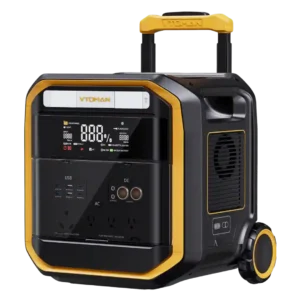
The 3,600W inverter is the product’s defining strength, comfortably supporting multiple high-wattage appliances and equipment that smaller stations cannot handle.
Pros: power output, surge capacity
Cons: specification accuracy, peak output

The 3,600W inverter is the product’s defining strength, comfortably supporting multiple high-wattage appliances and equipment that smaller stations cannot handle.
Pros: power output, surge capacity
Cons: specification accuracy, peak output
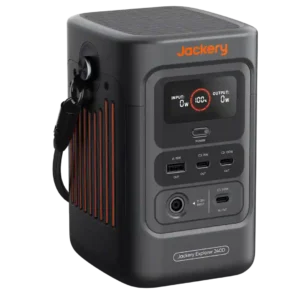
The 200W total DC output is unusually strong for the size. It supports demanding personal electronics but not AC appliances.
Pros: power output, rated output
Cons: AC outlet count, repairability
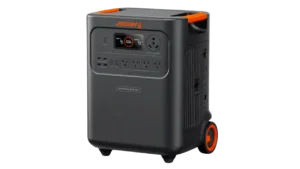
Reviewers consistently found the 3,600W class output genuinely strong for a portable unit, with enough headroom for substantial household loads.
Pros: output stability, voltage regulation
Cons: DC output, 12-volt outlet
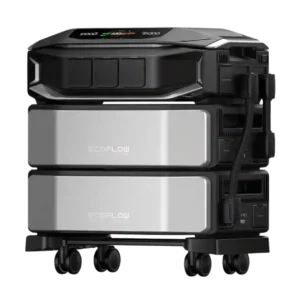
The 12kW single-inverter output is the headline strength and earns near-universal praise. It gives one stack enough power for serious whole-home loads without combining two separate power stations.
Pros: output stability, voltage regulation
Cons: solar cable compatibility, UPS functionality
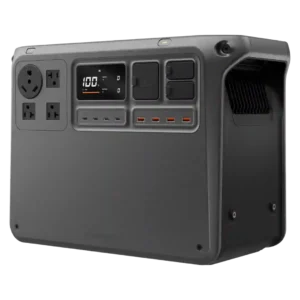
The 3,000W continuous output repeatedly handled refrigerators, kitchen appliances, power tools, production gear, and RV loads with impressive ease.
Pros: rated output, peak output
Cons: startup reliability, full-load noise
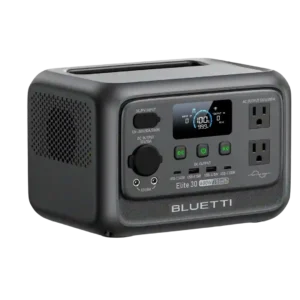
The 600W inverter is unusually capable for a 288Wh station and comfortably runs computers, Starlink, fans, lights, and many small appliances. Heavy kitchen equipment and large motors remain outside its...
Pros: rated output, output stability
Cons: over-voltage protection, cold-weather performance
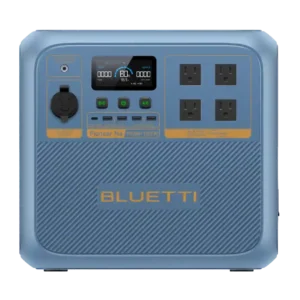
The 1,500W output is enough for a broad range of camping, workshop, and emergency loads, though it is not a high-power whole-home class inverter.
Pros: pure sine wave output, startup performance
Cons: MPPT controller performance, battery expandability
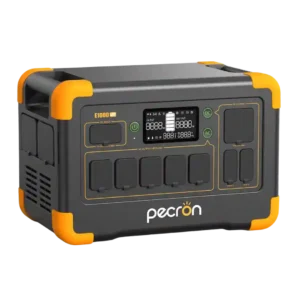
The 1,800W continuous inverter gives the E1000LFP more AC headroom than some compact rivals, though the benefit depends on how many devices are used together.
Pros: inverter quality, LiFePO4 battery
Cons: idle noise, built-in light
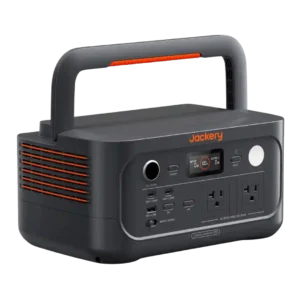
The 500W output is strong for small devices and a station this compact, but several competitors offer more inverter headroom in a similar size class.
Pros: output stability, pure sine wave output
Cons: remaining runtime estimate, Bluetooth connectivity