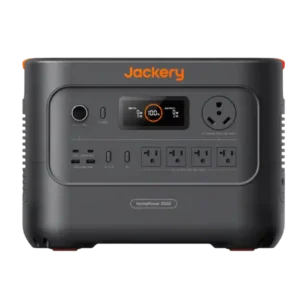
The 3,600W inverter is a standout strength, powering demanding household appliances and production gear without feeling constrained by the compact chassis.
Pros: power output, rated output
Cons: battery expandability, car charging speed

The 3,600W inverter is a standout strength, powering demanding household appliances and production gear without feeling constrained by the compact chassis.
Pros: power output, rated output
Cons: battery expandability, car charging speed
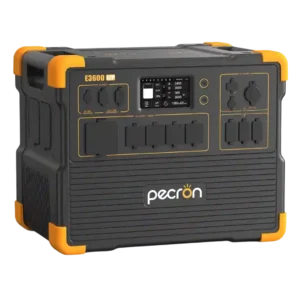
The 3,600-watt inverter is repeatedly praised for powering serious appliances and tools at a budget price.
Pros: power output, rated output
Cons: output stability, voltage regulation
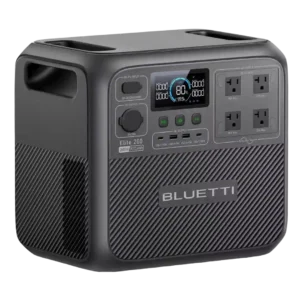
The 2,600W continuous output delivers unusually serious appliance and tool capability from such a compact station.
Pros: output stability, pure sine wave output
Cons: specification accuracy, startup reliability
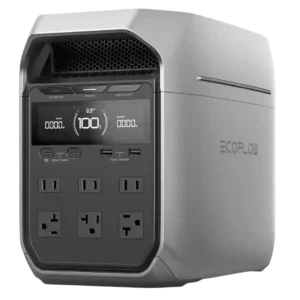
The 1,800W inverter is repeatedly praised for running refrigerators, heaters, kitchen appliances, tools, and office equipment without strain. It is best viewed as strong mid-range power rather than whole-home capacity.
Pros: rated output, peak output
Cons: 30-amp output, parallel operation support
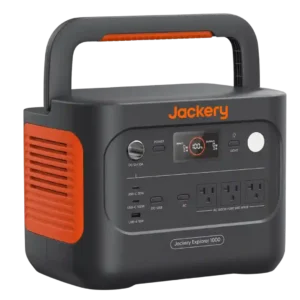
The 1,500W inverter comfortably runs most camping gear, office equipment, and household essentials, extending well beyond basic device charging.
Pros: rated output, peak output
Cons: standby power loss, specification accuracy
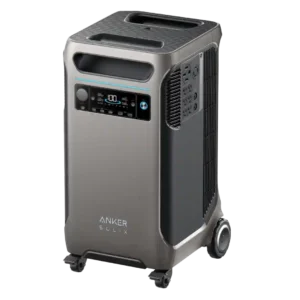
The 6,000W split-phase inverter is consistently praised and repeatedly validated with major appliances, tools, HVAC, and home circuits. It is the product’s defining advantage.
Pros: rated output, output stability
Cons: car charging speed, USB-A ports
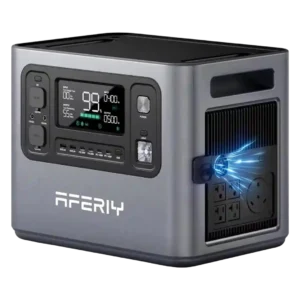
The 2,800W continuous output is the defining strength, providing enough headroom for serious appliances, tools, RV loads, and selected backup circuits.
Pros: rated output, peak output
Cons: app connectivity, voltage regulation
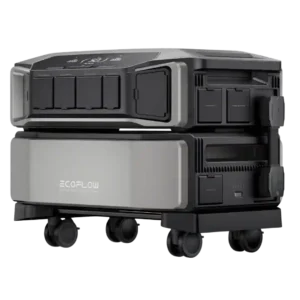
Output capability is a core advantage, with roughly 7.2kW-class single-unit power repeatedly praised for household and 240V loads. A few tests found limits at sustained high output or single-inverter 220V...
Pros: power quality, simultaneous device support
Cons: battery percentage accuracy, firmware updates
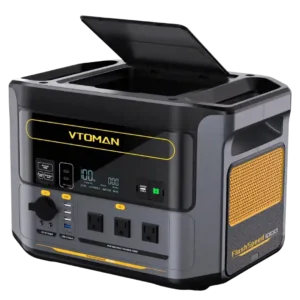
The 1,000W continuous output covers most electronics and many appliances, but buyers with sustained loads above that level need a larger model.
Pros: inverter quality, power quality
Cons: Wi-Fi connectivity, weather resistance
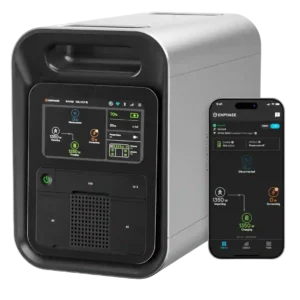
The 1,500 W continuous inverter handles everyday essentials and its rated load, but it is underpowered for whole-home backup or sustained heavy equipment.
Pros: rated output, output stability
Cons: runtime at full load, RV outlet
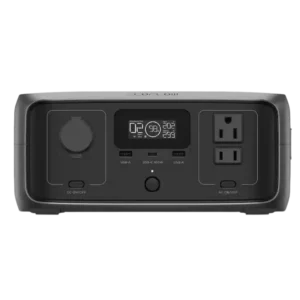
The 300W output is excellent for electronics and small appliances, not heaters, large refrigerators, or other sustained high-wattage loads.
Pros: noise level, idle noise
Cons: self-discharge rate, air travel suitability
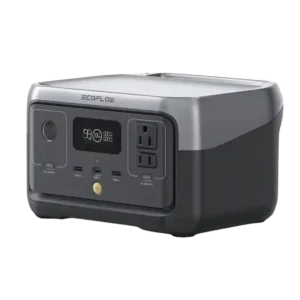
The 300W class output is useful for electronics and small appliances, but buyers repeatedly found it underpowered for broader backup needs.
Pros: surge capacity, output stability
Cons: dual-input charging, whole-home integration