#1
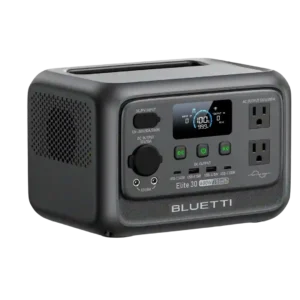
Outage transfer is effectively instantaneous in real use. Routers, servers, PCs, and other connected devices generally stay online without a visible interruption.
Pros: rated output, output stability
Cons: over-voltage protection, cold-weather performance
#2
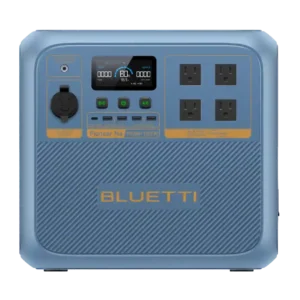
Source switching is excellent, with reviewers reporting sub-20ms transitions and no interruption to connected routers or devices.
Pros: pure sine wave output, startup performance
Cons: MPPT controller performance, battery expandability
#3
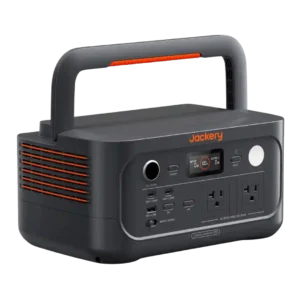
Backup handover was seamless in an office test, with no visible flicker, reboot, or delay when mains power was cut.
Pros: output stability, pure sine wave output
Cons: remaining runtime estimate, Bluetooth connectivity
#4
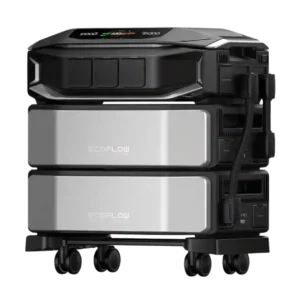
Backup switchover is one of the most consistently praised traits. Multiple reviewers report transitions so fast that lights do not flicker and clocks or electronics keep running normally.
Pros: output stability, voltage regulation
Cons: solar cable compatibility, UPS functionality
#5
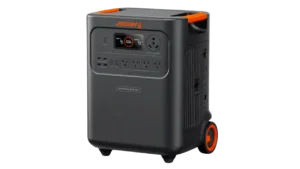
Switchover speed is excellent, generally around 10ms or less, and multiple reviewers observed no meaningful interruption during simulated outages.
Pros: output stability, voltage regulation
Cons: DC output, 12-volt outlet
#6
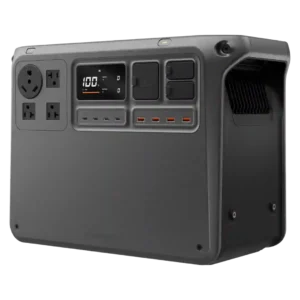
The roughly 10ms switchover was frequently described as seamless, with connected electronics continuing without a visible interruption.
Pros: rated output, peak output
Cons: startup reliability, full-load noise
#7
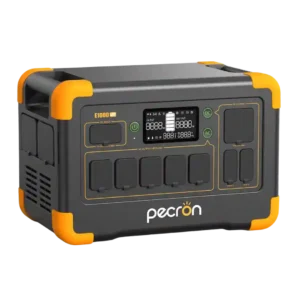
Transfer time is serviceable to strong, with a measured 13.5 ms cutover keeping a desktop running, though one comparison notes faster competitors exist.
Pros: inverter quality, LiFePO4 battery
Cons: idle noise, built-in light
#8
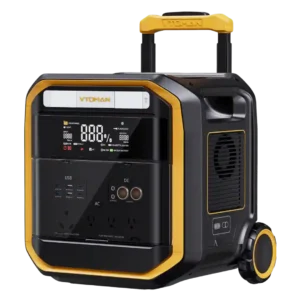
The 20ms switchover is considered adequate for sensitive equipment such as CPAP machines, but one reviewer noted it trails newer 10ms UPS designs.
Pros: power output, surge capacity
Cons: specification accuracy, peak output
