
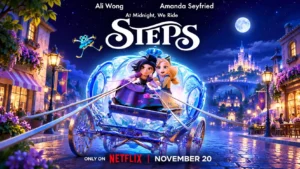
Steps Feature Scores
Overall Scorata score: 3.8/5
Based on 21 analyzed reviews · View source samples
Explore all 55 feature scores for Steps, organized into pros and cons.
Scores by Feature
Summary
55 reviewed features-
Very positive 4.5-5.018 (33%)
-
Positive 3.5-4.418 (33%)
-
Neutral 2.5-3.48 (15%)
-
Negative 1.5-2.410 (18%)
-
Very negative below 1.51 (2%)
Pros
Sort
-
Ali Wong's lively sarcasm and Amanda Seyfried's sweetness give the sisters believable emotional range. Their central performances frequently outshine the screenplay and character models.
-
Lilith and Cinderella's estrangement and reconciliation are the film's greatest strengths. Their mistakes, jealousy and lingering affection make the family conflict surprisingly moving, even when the adventure gets distracting.
-
Lilith and Cinderella's painful estrangement gives the movie a compelling emotional center. Their eventual reconciliation is touching, even when the adventure neglects other family members.
-
Ali Wong and Amanda Seyfried bring distinctive voices and strong emotion to the sisters. An energetic ensemble includes playful turns from Stephanie Hsu, Bette Midler and the comic villains, even when the animation fails to match their expression.
-
The film makes sisterhood and cooperation more important than winning a prince. Its best scenes let the women acknowledge their wrongs and choose each other.
-
The blend of accomplished actors and sharp comics suits the irreverent fairy-tale premise. Strong performers often do more with the material than the writing itself does.
-
The sisters' emotional resolution usually lands with real heart, and Cinderella's choice challenges the expected prince-centered ending. Some details of the magic and plot remain unconvincing.
-
Empathy, accountability and the courage to repair relationships are conveyed with warmth. The film also asks children to consider the consequences of exclusion and going along with bullies.
-
The opposing energies of Wong and Seyfried enliven the sibling banter, while Wong and Hsu create a believable sisterly rhythm. Their rapport often makes the emotional scenes feel natural.
-
The prince's absurd shoe-based identification, quick exchanges and frog slapstick produce some of the biggest laughs. The best gags are delivered with an effortless rhythm.
-
Bette Midler, Daniel Radcliffe, Peter Dinklage and other supporting performers supply colorful comedy and personality. Even brief parts can be entertaining in this ensemble.
-
The accessible humor, fantastical adventure and hopeful treatment of sibling conflict work well for school-age families. Some adults find the pace and jokes tiring, however.
-
Cinderella and Lilith are allowed to be kind, flawed, hurt and responsible for their own mistakes. Margot receives much less development, particularly after her transformation into a frog.
-
Cinderella's easy access to magical help contrasts with the treatment of her immigrant stepsisters. The resulting commentary on privilege is accessible without overwhelming the comedy.
-
The early humiliation and ostracism of Lilith and Margot gives their resentment an understandable foundation. Its picture of social pressure can resonate well beyond the fairy-tale setting.
-
Lilith's prickly vulnerability and Cinderella's imperfect kindness make the leads likable. Gef and several comic side characters add charm, though some antagonists stay thin.
-
The sting of exclusion and the sisters' efforts to mend their bond provide the most touching moments. An overcrowded script occasionally rushes past feelings before they can settle.
-
The story values listening, compassion and standing by others rather than joining a cruel crowd. Its warm treatment of female friendship is stronger than some of its more superficial subplots.
-
Dry sisterly banter, an oblivious prince and eccentric supporting characters can be genuinely funny. The pop-culture references and repeated winks at fairy-tale logic are less successful for some viewers.
-
Lilith's dark, embroidered clothes and chunky boots stand in delightful contrast to the kingdom's pastel finery. The looks express her outsider identity as clearly as the dialogue.
-
Lilith's rejection by peers becomes a convincing source of her guarded sarcasm. The desire to belong gives her rebellious character real tenderness.
-
Candy-colored architecture, gothic carriages and the clash of opposing aesthetics give Alouette texture. The environments are often more expressive than the human character models.
-
The enchanted forest chases and magical confrontations supply lively spectacle for children. Repeated pursuit scenes can crowd out quieter story beats.
-
Amanda Seyfried's bright, sweet vocals are a standout and help sell Cinderella's old-fashioned charm. The film contains relatively few original songs.
-
At its best, a colorful quest turns an old fairy tale into a lively story about repairing family bonds. At its worst, too many magical complications bury that appealing premise.
-
The sisters' East Asian background turns outsider status, prejudice and pressure to assimilate into meaningful fairy-tale conflicts. The portrayal is praised for its sensitivity but criticized for not exploring those issues more deeply.
-
The pastel rococo kingdom collides entertainingly with Lilith's skulls, dark clothes and steampunk touches. The sugary colors and glossy finish can also feel excessive or generic.
-
The prince's face-blindness is an inspired answer to an old fairy-tale plot hole. Other twists are easier to predict and occasionally feel mechanically contrived.
-
Alouette's rococo sweets-shop architecture and odd steampunk flourishes create an appealing playground. The rushed itinerary does not always make time to savor those inventions.
-
Snappy, dry exchanges make the best lines sing. Other quips lean too heavily on contemporary references that may age quickly.
-
Kris Bowers's sweeping orchestral treatment gives the fantasy a theatrical flourish. The music adds emotional scale without swallowing the playful story.
-
The title neatly points to both the overlooked stepsisters and the gradual steps they take toward reconciliation. Its double meaning is a small but clever touch.
-
Its warm personality may invite repeat family viewings, especially for fans of Lilith's humor. A safe, familiar adventure makes it less likely to become a perennial favorite for everyone.
-
Margot's possible permanent frog transformation gives the adventure an effective deadline. Elsewhere, the royal-ball crisis can feel artificial or underexplained.
-
For a lighthearted fairy-tale reimagining, the film finds humor and affection in characters usually treated as villains. It works best when its whimsical tone supports their reconciliation.
-
The musical numbers add a light sparkle rather than hijacking the sisters' relationship. The film keeps its focus on comedy and adventure instead of becoming a full musical.
Cons
Sort
-
Margot's transformation leaves her sidelined for too much of the movie. Roderick and other promising side characters can also feel underused.
-
The familiar premise and predictable storytelling can make the film feel like another disposable fairy-tale remix. Its emotional highlights do not entirely shake that impression for skeptics.
-
An extended setup gives way to chases, magical mishaps and a crowded race against time. The competing subplots frequently interrupt the more affecting sisterly moments.
-
The beginning can take too long to establish its central conflict, while later pursuits pile up with little breathing room. The underlying emotional story is often more engaging than the hectic adventure.
-
Clever fairy-tale jokes and a sympathetic central relationship show flashes of inspired writing. Overexplaining, loose logic and an excess of competing ideas make the screenplay uneven.
-
The stolen wand, fairy godmother's plans and rules of the magic cause avoidable confusion. Several important logical questions linger after the ending.
-
Lilith's fourth-wall introduction explains her side of the story with attitude. Extended narration becomes repetitive and is not fully integrated into the rest of the film.
-
Priscilla is an entertainingly nasty mean girl, and Roderick brings comic menace. Her largely one-dimensional motives often feel like a convenient replacement for the original wicked stepsisters.
-
The three-dimensional character style does not always sit comfortably with Cinderella's fairy-tale setting. The glossy look may distract viewers accustomed to more storybook-like artwork.
-
Its mixture of satirical jokes and comforting family fantasy occasionally feels at odds with itself. Changes in tone can interrupt the strongest emotional material.
-
A few jokes depend so heavily on contemporary references that they may date quickly. More character-driven humor holds up better.
-
Sharp satire and gentle family sentiment do not always blend smoothly. The frequent changes in mood make the adventure feel patched together.
-
A lengthy setup and an overstuffed second half can make the running time feel more drawn out than the story warrants. The film could use fewer diversions.
-
The lush score and a few catchy original songs add sparkle, but the trendy pop selections can feel disposable. Not every new song has much staying power.
-
Lilith's goth silhouette and some fanciful creatures give the film recognizable personality. Rounded, glossy human designs sometimes seem stiff or interchangeable.
-
The stepsisters' point of view gives this Cinderella story some inventive moments, but the familiar villain-rehabilitation formula divides opinion. Its fresh emotional angle is stronger than its claim to be a truly new fairy tale.
-
Fluid movement, bright settings and occasional lovely flourishes keep the animation polished. The big-eyed, sometimes blocky character models strike others as stiff and overly glossy.
-
There are laughs, color and memorable family moments, but reactions range from delightful fun to disposable animation. The busy plotting determines whether the adventure feels spirited or exhausting.
-
The film raises belonging, prejudice and forgiveness, but some viewers wish it examined them with greater rigor. Its simpler lesson-making can feel targeted mainly at younger children.
Use Cases
Best for
Sort
-
Young children get bright magical adventure, approachable jokes and a clear lesson about standing up for others. Its spirited fantasy sequences are often more appealing to kids than to accompanying adults.
-
The warm sisterhood story and zany fantasy make this an accessible family movie night choice. Adults' enjoyment is less assured when the busy plot and contemporary jokes overstay their welcome.
-
Magical mishaps, trolls, enchanted forests and fairy-tale traditions make this a cheerful fantasy adventure. Those who prefer inventive plotting to familiar quests may be less impressed.
-
This flips Cinderella's familiar roles while preserving the wonder, magic and humor of an animated fairy tale. Fans tired of revisionist villains may find the formula too predictable.
-
The sharpest jokes come from sarcastic banter, the prince's face-blindness and playful turns by the ensemble. Comedy fans who enjoy knowing fairy-tale satire have plenty to smile about.
-
Sisters and siblings can relate to feelings of neglect, jealousy and the work of making amends. Its hopeful reconciliation creates room for conversation as well as laughter.
-
Distinctive expressions and stylized production touches should please viewers who enjoy colorful family animation. Those after boundary-pushing visual artistry may want something bolder.
-
The action offers whimsical chases, a ticking clock and magical creatures, making it an easygoing fantasy adventure. Too many set pieces can undermine the character work.
-
Energetic chases and sight gags keep the fantasy moving, particularly for younger action fans. The action is playful rather than gritty.
-
The film gives families approachable openings to talk about bullying, assumptions, fairness and the repair of sibling relationships. Its characters are imperfect enough to support meaningful discussions.
-
The female-led sisterhood plot can be especially meaningful for girls familiar with peer pressure and exclusion. Their shared struggle receives more attention than the prince's romance.
-
The ornate pastel kingdom and energetic set pieces would have plenty of impact on a cinema-sized screen. The animation benefits from room to display its bright visual detail.
-
The generous scenery and lively family-adventure energy would make a cheerful theatrical outing. The lavish colors were built for a larger canvas.
-
As an easy weekend stream, the jokes, colorful imagery and sweet message make it pleasantly undemanding. Its familiar formula is less of a problem when expectations are modest.
Conditional or not ideal for
-
Adult viewingGrownups who enjoy dry jokes and heartfelt family themes can have a very good time. Those seeking sophisticated plotting or strikingly original animation may find it exhausting or disposable.
-
Teen viewingIts teen-outsider premise may seem inviting, but the oversimplified lessons and candy-bright presentation may feel childish to older teens.
Cast & Creators
-
LilithHer sharp, sarcastic delivery also reveals Lilith’s vulnerability and longing to belong. Even skeptical responses to the animation find life in her performance.
-
CinderellaHer bright vocal tone and musical skill make Cinderella charming, while quieter notes of hurt give the princess needed emotional depth.
-
PrinceHe plays the prince’s face-blind bewilderment with cheerful sincerity, making one of the film’s most reliable recurring jokes land.
-
MargotShe gives Margot lively, playful comic energy and convincing sisterly warmth, even though the role receives less attention than it deserves.
-
Fairy GodmotherHer exuberant, knowing comic delivery gives the Fairy Godmother sparkle, with plenty of personality in a smaller role.
-
PriscillaHer sharp, bratty menace makes Priscilla fun to dislike, although the character herself is written more broadly than the leads.
-
RoderickHis stiff, regal menace makes Roderick an amusing and occasionally scene-stealing pursuer.
-
GefHis understated voice and warmth fit Gef’s offbeat role as a unexpectedly tender troll.
-
DirectorHer framing of the sisters as outsiders gives the old fairy tale a thoughtful new cultural perspective.
-
DirectorThe shift from physical ugliness to immigrant outsider status brings welcome depth to the retelling.
-
ComposerHis sweeping, theatrical score gives the animated fantasy extra grandeur and feeling.
-
SingerHer original song is a catchy, polished addition to the film’s pop-leaning musical mix.
-
SongwriterThe original song he co-wrote adds an appealing pop lift to the soundtrack.