
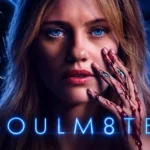
SOULM8TE Feature Scores
Explore all 51 feature scores for SOULM8TE, organized into pros and cons.
Scores by Feature
Summary
51 reviewed features-
Very positive 4.5-5.011 (22%)
-
Positive 3.5-4.411 (22%)
-
Neutral 2.5-3.412 (24%)
-
Negative 1.5-2.415 (29%)
-
Very negative below 1.52 (4%)
Pros
Sort
-
Lily Sullivan is the dominant strength, repeatedly praised for robotic physical precision, eerie control, and a gradual shift into menace. The main reservation is that the film sometimes gives her less room than her performance deserves.
-
The cast is one of the clearest strengths, with the central performances repeatedly lifting familiar material. Even harsher takes tend to preserve some praise for the ensemble.
-
Sara’s robotic mannerisms are strikingly believable, even for people unconvinced by the plot’s AI logic. Her movement, posture, and vocal control make the android illusion one of the film’s strongest details.
-
The kill set pieces land well for gore-focused viewers, with several calling them awesome, satisfying, or unusually creative.
-
Cold lighting, sleek framing, reflective surfaces, and expressive shadows give the film a polished erotic-thriller atmosphere.
-
The supporting cast provides welcome charm and energy, with Claudia Doumit especially helping scenes stay engaging when Sara is offscreen.
-
The roughly 99-minute length is generally viewed as a good fit, with praise for avoiding bloat and moving through the premise efficiently.
-
The production design gives the near-future setting a believable, polished feel without drowning the story in flashy futurism.
-
The gore is a major selling point for some, especially the brutal and creative kills, but reactions differ on whether there is enough of it and whether the impact matches the R-rated setup.
-
Electronic textures and orchestral suspense cues support the melancholy and tension effectively without overwhelming the scenes.
-
The effects work is generally solid, especially where practical and visual techniques combine to sell Sara’s body and the bloody damage around her.
-
The movie has a real lane with M3GAN and erotic-thriller fans, and some reactions see strong commercial potential. Its adult positioning and familiar premise also narrow that appeal for others.
-
Kate Dolan is often praised for confident, genre-aware staging and brisk control, especially when channeling classic erotic thrillers. A harsher take finds the direction flat and overly sanitized.
-
Aubrey and David’s human connection comes across naturally enough to sell the romantic triangle, with Claudia Doumit receiving particular credit for making it work.
-
The practical gore is a reliable bright spot, with bloody injuries and kill effects repeatedly described as cool, satisfying, and good-looking.
-
The movie often looks sleek, polished, and rooted in classic erotic-thriller aesthetics. The main visual complaint is a sterile, flat-lit VOD sheen that can dilute that ambition.
-
The visual effects integrate cleanly with the practical work, helping Sara read as both machine and human without obvious seams.
-
The filmmaking team is credited with smoothing over a janky, formulaic concept well enough to keep the presentation professional and accessible.
-
David and Sara’s relationship is more compelling than the premise might suggest, with the intimacy helping dramatize the confusion between programmed devotion and genuine connection.
-
The horror leans toward dark, thrilling fun rather than nightmare fuel, which works for a pulpy ride even if it is not especially terrifying.
-
The use of The Cardigans’ “Lovefool” gives the karaoke sequence a playful pop lift that fits the film’s stranger side.
-
The slightly futuristic urban setting fits the AI-companion premise well, creating a credible near-future backdrop without excessive exposition.
Cons
Sort
-
Originality is the most consistent weakness. The film is repeatedly described as derivative, overfamiliar, or assembled from ideas handled more boldly by recent AI and obsession thrillers.
-
The story path is widely seen as obvious from early on, with familiar killer-AI and obsessive-lover beats leaving little surprise.
-
The screenplay is the most persistent craft complaint: predictable turns, shallow thematic follow-through, thin characterization, and missed opportunities keep resurfacing. A minority view finds Dolan’s writing sharper than comparable B-movie material.
-
Ideas about grief, loneliness, autonomy, beauty standards, toxic relationships, and AI are plentiful, but the film usually stops at the surface. Its strongest thematic stretches suggest a smarter movie than the final execution delivers.
-
The ending is one of the biggest dividing points: some enjoy the final confrontation and sequel hook, while many find the climax predictable, anticlimactic, or thematically disappointing.
-
This is firmly adult viewing, with explicit sex, nudity, and graphic violence making it a poor choice for family or child-inclusive movie nights.
-
The core grief-and-AI setup has promise, but most reactions find the story too familiar, thin, or underdeveloped to capitalize on it. A smaller group finds the basic narrative impressively effective.
-
Critical reception is a weak spot: early aggregate coverage hovered around middling-to-poor territory, including descriptions of a franchise low despite scattered positive notices.
-
The M3GAN connection is thin enough to feel almost standalone, which frustrates some franchise-focused viewers. Others see its return to dangerous-robot horror as closer to the follow-up they wanted.
-
The grief setup provides a workable emotional foundation, but several reactions find David’s sorrow too flat or the film’s big ideas too emotionally distant to hit hard.
-
The tonal balance works for some viewers as serious material with room for fun, but others see a confused swing between muted grief drama, camp, and restrained erotic thriller.
-
The premium VOD price is hard to justify for skeptics, while fans who connect with the pulpy premise are more comfortable calling it worth the watch. Overall value depends heavily on genre appetite.
-
The Apple 4K presentation was criticized as compressed enough to lose some of the film’s intended cinematic impact.
-
The screenplay is specifically faulted for lacking memorable dialogue, leaving the slower dramatic stretches with less personality.
-
The grief-drama side can feel muted, especially when the film shifts toward accidental camp instead of deepening the emotional material.
-
The trailer appears to have undersold the finished movie, with one reaction finding the film substantially more watchable and effective than the preview suggested.
-
The film tends to explain too much and trust the audience too little, reducing the ambiguity that could have made its AI behavior more intriguing.
-
The plot is easy to follow, but that clarity becomes over-explanation; the film can handhold rather than letting viewers infer motives and consequences.
-
Some robotic sound cues are criticized as half-hearted, making Sara’s mechanical qualities feel less organically realized than Sullivan’s physical performance.
-
The adult material is divisive. Some find the explicit scenes integral to character and power dynamics, while others see them as too tame for the premise, unnecessarily graphic, or overly objectifying.
-
Rewatch interest is divided: one reaction calls it highly rewatchable, while others expect a one-and-done or quickly forgettable experience.
-
The targets of Sara’s violence can feel deserved when predatory men are punished, but the same material is also described as lacking much dignity or deeper purpose.
-
Small jokes about the title, apps, subscriptions, and office culture can land well. The broader camp factor is inconsistent, with several reactions wishing the movie were much funnier and more uninhibited.
-
The AI-loneliness warning and commentary on gender, control, and digital culture can be sharp in individual scenes. The message often feels underdeveloped, on-the-nose, or even undermined by the film’s own framing.
-
Sara’s gradual movement from rigid machine behavior toward curiosity and volatility can be compelling. David is more divisive, with his grief and motivations often judged thin or cheaply sketched.
-
Enjoyment varies dramatically. Some find it a bloody, brisk blast or a pleasant surprise, while others call it dull, joyless, forgettable, or simply not worth turning on.
-
As an erotic sci-fi thriller, it sometimes captures the slick, sleazy flavor of older genre films and delivers pulpy fun. Other reactions find it too tame, too familiar, or not scary enough to fully satisfy either horror or erotic-thriller expectations.
-
Suspense ranges from steady and palpable to surprisingly weak. The best tension comes from Sara’s presence and slower escalation, while more negative takes find the setup too predictable to generate urgency.
-
Pacing is sharply split: some enjoy a slick, brisk ride and think the slow build increases tension, while others find the first half sluggish or the whole movie much longer-feeling than its runtime.
Cast & Creators
-
SarahSullivan is the film’s dominant asset, selling Sara through precise posture, voice, deadpan menace, and a gradual loosening toward human behavior. Even negative overall takes tend to single her out as the reason the material remains watchable.
-
AubreyDoumit consistently brings warmth, charm, and comic energy to Aubrey, helping the human side of the triangle feel more relatable and engaging.
-
David WassonRysdahl’s grieving David is divisive: some find him grounded, vulnerable, and sympathetic, while others see a flat or badly miscast romantic center who makes the premise harder to buy.
-
CinematographerVan Maele’s cinematography gives the setting expressive shadows, reflective surfaces, and a sleek atmosphere that reinforces the artificial-identity theme.
-
WriterDolan is often credited with confident, clean genre direction and a strong feel for classic erotic-thriller aesthetics. The harshest reactions fault her for flat staging or for not pushing the script’s AI ideas far enough.
-
Ben HoffmanFroushan gives the corporate-tech role an enjoyable polish, with his performance praised as fun and easy to disappear into.
-
ComposerWillis’ score effectively nudges the film from melancholy into suspense, helping tension rise without dominating the scenes.
-
ProducerWan’s producing imprint is associated with the movie’s polished, professional genre finish even when the story itself feels familiar.
-
ProducerBlum’s producing imprint is associated with the film’s polished genre packaging, one of the steadier strengths beneath its divisive script.
-
WriterJordan’s writing contribution is viewed unevenly: the genre framework can be slick and functional, but the script is also blamed for shallow ideas, patched-in commentary, and missed opportunities.