
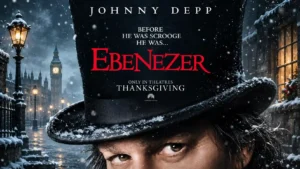
Ebenezer Feature Scores
Overall Scorata score: 3.5/5
Based on 46 analyzed reviews · View source samples
Explore all 53 feature scores for Ebenezer, organized into pros and cons.
Scores by Feature
Summary
53 reviewed features-
Very positive 4.5-5.013 (25%)
-
Positive 3.5-4.414 (26%)
-
Neutral 2.5-3.49 (17%)
-
Negative 1.5-2.411 (21%)
-
Very negative below 1.56 (11%)
Pros
Sort
-
The ghosts and Marley are frequent highlights, with Tillman and McKellen especially praised; several critics wish the smaller roles had more room to breathe.
-
Detailed Victorian interiors, filthy streets and Gothic architecture are consistently among the most admired elements, even in otherwise unfavorable assessments.
-
The icy Gothic presentation and analog filmmaking touches are a major draw, even though some viewers tire of the gloom.
-
The Marley prologue gives their friendship context, while the credits immediately establish the analog-horror aesthetic.
-
Period clothing strengthens the shadowy Victorian look and helps distinguish the haunted characters; the craftsmanship receives favorable notices.
-
Corpse-like ghost makeup and Depp’s aging prosthetics create tactile transformations, with practical work singled out for praise.
-
Fog, blackened interiors, decaying ghosts and frosty streets create a heavily Gothic Christmas world. It is memorable to many, oppressive to others.
-
The smoky, coal-dark photography and retro visual flourishes draw praise, although some find the muted palette and close-ups unpleasantly monotonous.
-
Costumes, sets, makeup and retro photography give the studio production a tangible richness, even when critics dislike the storytelling.
-
The five-stave structure and central moral survive largely intact, with a new Marley prologue and expanded personal history. Some welcome the fidelity while others find it overly cautious.
-
Compassion, generosity and second chances remain central. Viewers most receptive to these themes often find the film heartfelt despite its macabre surface.
-
Ghostly transformations, especially the corpse-bride Past and decaying Present, are visually memorable; not everyone likes how the characterizations depart from warmer versions.
-
The Christian themes of grace, forgiveness and kindness resonate strongly for some, while another critic finds certain religious additions overly solemn.
-
Extra attention to Scrooge’s sister, Belle and his earlier regrets can make him more human; others consider the transformation too abrupt or overly explained.
-
Rotting spirits, zombie-like crowds, body-horror imagery and jump scares distinguish the ghost sequences. Opinions split on whether the frightening material is effective or too restrained.
-
Some viewers are moved to tears by Scrooge’s remorse, reunions and carols. Others find Depp’s eccentricity or the bleak presentation leaves the ending cold.
-
Audience reactions vary widely: some screenings respond warmly to the humor and redemption, while critics split over the lead performance.
-
The movie’s combination of makeup and physical ghost details makes the supernatural elements convincing and tactile.
-
Christmas Past’s blank eyes, Present’s cracking skin and his hidden ghastly creatures are striking, though some designs strike critics as familiar.
-
Scrooge’s familiar eccentricity is lively enough to entertain some, but others struggle to sympathize with his abrasive behavior.
-
The genre blending is praised, with a particular emphasis on ‘ebenezer’ much of its distinctive personality. meanwhile, the costume.
-
The blend of physical and digital ghost effects is treated as a polished strength of the production.
-
The theme depth is treated as a tradeoff, with a particular emphasis on on solid footing, psychologically and theologically. between the dreamy.
-
Wealth inequality and Scrooge’s disdain for the poor still feel timely, although some find the new excuses for his cynicism muddy Dickens’ social critique.
-
Depp’s gruff mannerisms and Ridley’s sharp reactions produce some laughs, though the comedy rarely satisfies everyone.
-
The accent authenticity is praised, with a particular emphasis on timing and sonorous british accent might have been.
-
The Hammer-inspired ghost story is enjoyable for those seeking Gothic touches, but its relatively restrained PG-13 approach may disappoint hard-horror devotees.
Cons
Sort
-
Advertising suggests a radical origin story or new twist, while the movie mostly follows Dickens. This gap between promise and delivery draws repeated criticism.
-
Its familiar holiday message does not make it gentle viewing: unusually unsettling apparitions and frightening moments trouble the family-film balance.
-
The horror dressing and a handful of new scenes provide variation, but the story remains very familiar and often falls short of its reinvented-Scrooge marketing.
-
Even those who find parts enjoyable often hesitate to make it an annual Christmas tradition, preferring older adaptations.
-
The gore-sensitive viewing is criticized, with a particular emphasis on the ghost of christmas present’s ribcage—will make them want.
-
The dialogue quality is criticized, with a particular emphasis on second-screen dialogue that has zero faith that its audience.
-
The supporting players fit the ghosts and Marley well; objections focus chiefly on whether Depp is right for this Scrooge.
-
The apparent parallel between Scrooge’s redemption and Depp’s return is distracting or cynical to some, while others set it aside to enjoy the film.
-
Some appreciate the steady unfolding of the familiar tale, whereas others complain that the chapters drag and the runtime feels longer than it is.
-
The classic moral journey is readable and occasionally stirring, but the familiar plot gives some viewers little reason to prefer this telling.
-
Expanded material about Belle attracts mixed-to-negative reactions, especially when the reconciliation feels modernized or sentimental.
-
Quick cutting in conversation is said to work against an otherwise carefully recreated period atmosphere.
-
The inevitable turns of the well-known plot leave little uncertainty, and one especially critical account finds almost no suspense.
-
There are flashes of comic energy and a few good lines, but numerous critics find the humor too sparse, too broad or poorly timed.
-
The title appeal is criticized, with a particular emphasis on a bit of a desperate lie. the character of.
-
The extended Christmas-morning redemption charms several viewers, but others find its sweetness, speed or altered Cratchit resolution unconvincing.
-
Nathaniel Halpern maintains Dickens’ recognizable structure and adds moments of backstory, but the dialogue and limited reinvention frustrate several critics.
-
The focus on Depp’s comeback can distract from the filmmaking strengths that some critics value more.
-
The extended setup and repeated miserly behavior feel redundant when the story is already familiar.
-
The narrative stakes is criticized, with a particular emphasis on lack of faith in its audience make a would-be.
-
The tonal consistency is treated as a tradeoff, with a particular emphasis on compounding this is the tonal confusion, as the film.
-
The ensemble is often judged more persuasive than the lead, with particularly divided reactions to the theatrical style of Scrooge himself.
-
Gothic strings and Christmas-carol motifs fit the mood for some, but others find the music forgettable or too insistent during emotional scenes.
-
A solid spooky holiday outing for some, a repetitive and even punishing experience for others; enjoyment tracks strongly with the appetite for another Scrooge adaptation.
-
Ti West’s control of Gothic imagery impresses some, while others fault the direction for excessive caution, slow stretches or lack of personality.
-
Johnny Depp divides opinion as Scrooge: some find real vulnerability and a convincing change of heart, while others see broad mugging and familiar mannerisms that blunt the redemption.
Use Cases
Best for
Sort
-
The diseased apparitions and ominous Victorian setting make this unusually spooky for a Dickens adaptation, though hardcore horror fans may wish it pushed further.
-
Longtime Scrooge fans can appreciate the new cast and Gothic treatment, though familiarity also makes the thin reinvention conspicuous.
-
Dickens readers will recognize the original structure and much of the moral message, with a few changes to Marley, Belle and the ending to debate.
-
Those interested in Christmas themes of forgiveness, generosity and spiritual renewal may find the film especially meaningful, despite the bleak imagery.
-
Adults drawn to a mature, Gothic Christmas tale have more to enjoy here than families seeking a gentle introduction for young children.
-
Some consider the rich production and seasonal atmosphere worth a cinema visit; others would rather watch at home.
-
A comfortable couch-viewing option for holiday season fans who enjoy the cast but do not feel it demands a theater ticket.
-
The 35mm-inspired styling, retro typography and elaborate practical imagery reward viewers interested in film craft.
-
Analog-era photography, vintage genre references and careful production design give film enthusiasts details to savor.
-
Its glossy period craft makes a seasonal big-screen outing a modest pleasure, without necessarily becoming essential theater viewing.
-
The ghouls and cemetery setting make its haunting imagery suitable for viewers who enjoy spooky holiday crossover movies.
-
It has flashes of humor amid the ghastly imagery but is far closer to a Gothic ghost story than a broad comedy.
Conditional or not ideal for
Sort
-
Christmas-season viewingFans of a darker holiday tradition can enjoy the familiar lesson about compassion alongside wintry atmosphere; viewers wanting cozy cheer may find this version joyless.
-
Scare-sensitive viewingCorpse-like ghosts, zombie-like chases and disturbing supernatural images make this a poor pick for people easily unsettled by horror.
-
Family viewingThe recognizable Christmas message is still here, but the macabre imagery makes suitability for families highly dependent on children’s tolerance for scares.
-
Acting-focused viewingThe supporting ghosts and Marley offer strong performances, but Depp’s central interpretation is polarizing enough to make this an uncertain showcase.
-
Children's viewingThis is too frightening for many younger children despite its familiar source, with multiple reactions warning against taking little kids.
-
Newcomer viewingThe traditional narrative is easy to understand, but the scarier interpretation may be a rough first introduction for younger audiences.
-
Teen viewingThe Gothic imagery may appeal to older children seeking a scarier Christmas story, although the movie is restrained rather than full horror.
Cast & Creators
-
Ebenezer ScroogeDepp’s Scrooge is the film’s great dividing line: some praise genuine sadness and a gradual thaw, while others find his exaggerated faces and vocal tics distracting or unconvincing.
-
Ghost of Christmas PresentHis commanding, sometimes surly Ghost of Christmas Present repeatedly steals scenes through his intensity and distinctive energy.
-
Jacob MarleyHis Marley is repeatedly singled out as wickedly funny, imposing and unexpectedly human, often overshadowing the lead during their shared scenes.
-
Ghost of Christmas PastHer blank-eyed Ghost of Christmas Past is a vivid, unsettling standout whose performance helps the eerie makeup feel more than cosmetic.
-
Bob CratchitHis grounded, sympathetic Bob Cratchit gives the film badly needed warmth, although one critic finds him unusually plain.
-
DirectorHis retro-Gothic images and scary ghost sequences attract admiration, but his fidelity to the familiar plot and occasional sluggishness leave others underwhelmed.
-
FredHis sincere, open-hearted Fred adds warmth to Scrooge’s strained family relationships and often lifts the emotional material.
-
WriterThe screenplay earns appreciation for its recognizable Dickens structure and added backstory, alongside complaints that it is rote or too explanatory.
-
BelleHer warm, appealing Belle provides a strong emotional counterpoint to Scrooge’s bitterness, even when the romantic subplot itself divides opinion.
-
ClaraHer limited appearances as Clara draw praise for sharp comic timing, though some would have preferred a larger role.
-
ComposerHis music adds ominous strings and carol arrangements to the Gothic mood, although some find the emotional scoring overstated.
-
CinematographerHis coal-dark photography, fog and old-fashioned visual texture help make the Gothic London setting convincing.
-
Production DesignerHer lovingly detailed, grimy Victorian sets are repeatedly singled out as a defining strength of the film.
-
Costume DesignerHer carefully styled period costumes help give the film its storybook Christmas look.
-
ActorHer warm, believable exchanges with Grint help ground the Cratchits in genuine family affection.
-
Tiny TimHis Tiny Tim is described as genuinely moving without becoming manipulative.
-
Ghost of Christmas Yet to ComeHis silent Ghost of Christmas Future is praised as physically imposing without needing dialogue.