
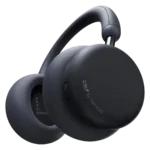
CMF Headphone Pro Feature Scores
Explore all 86 feature scores for CMF Headphone Pro, organized into pros and cons.
Scores by Feature
Summary
86 reviewed features-
Very positive 4.5-5.030 (35%)
-
Positive 3.5-4.435 (41%)
-
Neutral 2.5-3.415 (17%)
-
Negative 1.5-2.46 (7%)
Pros
Sort
-
Battery life is outstanding and arguably the product’s most consistent strength. Real-world testing repeatedly supported very long runtimes, with roughly 40–50 hours with ANC common and much longer endurance available with features reduced.
-
Value for money is exceptional and the strongest point of consensus. Many reviewers felt the Headphone Pro competes with headphones costing substantially more, with sale prices making the recommendation even easier.
-
The overall recommendation is overwhelmingly positive, especially for shoppers around the $80–$100 range. Even reviewers with complaints about ANC, EQ, or build usually still viewed the package as easy to recommend at the right price.
-
Replaceable earpads are one of the most universally praised features. They twist off quickly, make color changes easy, and provide a practical way to replace the part most likely to wear out first.
-
Setup is exceptionally easy. Fast Pair, Swift Pair, and the clear Nothing X interface make initial pairing and ongoing configuration simple even for less technical users.
-
Repairability is a standout advantage because the ear cushions twist off easily and can be replaced without tools. Reviewers repeatedly saw this as a genuine longevity benefit rather than just a color-customization gimmick.
-
Fast charging is excellent for everyday use. A five-minute top-up commonly delivers several hours of playback, making low-battery situations easy to recover from.
-
Multipoint works very well for switching between a phone and computer. Reviewers repeatedly described device changes as smooth, quick, and useful for mixed music, meeting, and call workflows.
-
LDAC is widely appreciated and often improves clarity, texture, and bass control. The size of the improvement varies by listener, but reviewers consistently treated its inclusion as a premium feature for a budget headphone.
-
The ear cushions are consistently praised for being plush, soft, deep, and generously padded. Their thickness helps keep ears away from the inner hardware and supports long-session comfort.
-
Comfort is one of the strongest recurring positives. Most reviewers could wear the Headphone Pro for hours, flights, work sessions, or editing without major fatigue, though a few head shapes experienced pressure after extended use.
-
The Nothing X app is a consistent strength. Reviewers describe it as clean, polished, easy to navigate, and unusually pleasant for a budget headphone companion app.
-
Sound quality is the headline strength: most reviewers found it unusually good for the price, especially after light EQ or LDAC. Stock tuning can be bass-heavy, but the overall presentation is energetic, clean, and far better than typical budget expectations.
-
Bluetooth performance is one of the least troublesome parts of the experience. Pairing is quick, reconnection is dependable, and reviewers generally reported strong range with few dropouts.
-
The personalized hearing profile is one of the more successful smart features. Most reviewers found it useful or noticeably better balanced, although a few preferred the stock sound or experienced uneven results.
-
Passive isolation is consistently strong thanks to the large, well-sealing earcups. Even without ANC, the fit blocks a useful amount of surrounding noise and helps the active cancellation work more effectively.
-
Physical controls are a major part of the appeal: the roller is frequently praised as intuitive and more dependable than touch gestures. The Energy Slider is divisive, with some reviewers loving the instant adjustment and others calling it pointless or gimmicky.
-
The playful rounded design stands out from generic black budget headphones and earns broad praise. Color preferences vary, but reviewers frequently called the look fresh, distinctive, attractive, or surprisingly premium for the price.
-
Overall satisfaction is extremely high among reviewers who discussed ownership-like use. Several said the headphones replaced pricier daily drivers or delivered almost exactly what they wanted from an affordable over-ear.
-
Despite their chunky appearance, the headphones feel relatively light and easy to wear. Reviewers often credited the 283g weight and balanced distribution for reducing fatigue over long sessions.
-
The 3.5mm input is a welcome fallback for zero-latency listening, laptops, older gear, and travel. A caveat is that the headphones still need power for wired playback.
-
Instrument separation is a clear strength for the money. Reviewers often heard vocals, percussion, guitars, and layered elements distinctly, though dense tracks can expose the limits of the drivers.
-
Glasses wearers generally fare very well. Plush pads and manageable clamp pressure let multiple reviewers wear the headphones for long work or editing sessions without the usual frame pinch.
-
Headband adjustment is straightforward and offers enough range for larger heads. The slider generally stays where set, with reviewers describing the mechanism as easy and secure.
-
ANC is good for the price and strongest against steady low-frequency noise such as engines, fans, and traffic. It is not class-leading, and voices, sudden sounds, and higher frequencies are more likely to leak through.
-
Microphone noise reduction is better than the raw mic quality might suggest. Wind and steady background noise are often reduced effectively, though unpredictable noisy environments can still overwhelm speech cleanup.
-
Detail retrieval is strong for the price, especially after personalization or EQ. Reviewers heard subtle instruments and texture that cheaper headphones often miss, although true audiophile nuance is still limited.
-
Build quality is better than the price suggests but still clearly plastic. Some reviewers found it solid and confidence-inspiring, while others heard creaks or felt the shell was cheap and hollow.
-
Advanced software features add real value, particularly personalized hearing calibration and customizable shortcuts. ChatGPT-style integration is more niche, while the hearing-based tuning was far more consistently useful.
-
Latency is well controlled for video and casual gaming, especially in wired or low-lag modes. Reviewers who tested sync found speech, effects, and on-screen action aligned closely enough for normal use.
-
Gaming performance is good for casual play, especially with the low-latency mode or a wired connection. Competitive gamers may still want lower latency and more specialized positional tuning.
-
The earcups offer plenty of swivel and can rotate flat, which helps fit and neck-wearing. They do not provide the compact inward fold that some travelers may expect.
-
Clamping force is mostly well judged but somewhat head-dependent. Some reviewers found it snug without pain, while others felt initial tightness or pressure that tended to ease with use.
-
Clarity usually holds up well at higher volumes, with multiple reviewers reporting little obvious distortion. The main exception is bass-heavy playback, where punch and precision can soften when driven hard.
-
The Headphone Pro earned strong external recognition in the supplied coverage, including an Editors’ Choice and a best-budget-headphone award. Those awards reflect how strongly it competes on overall value.
-
Soundstage is respectable for a budget closed-back headphone, with several reviewers hearing more width than expected. Others still found it narrow compared with pricier over-ears, so it is good rather than truly expansive.
-
ANC generally changes the sound very little. Reviewers who focused on this found timbre and EQ shifts modest enough that using noise cancellation did not meaningfully spoil the music.
-
Transparency mode is usable for quick conversations and awareness, but it is not consistently natural. Some reviewers liked its clear handling of nearby voices, while others heard a processed or slightly dull presentation.
-
Bass is powerful and fun, but opinions split on how much is too much. Several reviewers praised its punch once dialed in, while others found the stock low end bloated or overly dominant.
-
Dynamics are lively and energetic at normal listening levels, with good punch and excitement. Heavy bass at higher volume can soften attack and precision, so the strongest performance is not at maximum drive.
-
Call quality ranges from good to merely serviceable. Voices are generally intelligible, but several reviewers heard muffling or softness, while a few found the microphones impressively clear in quieter conditions.
-
The midrange is generally competent, with vocals staying clear enough for everyday listening. A recurring caveat is that the bass can push mids backward or make them feel congested on busier tracks.
-
Hi-Res support is impressive for the price and works through the supported wired/wireless paths. Reviewers treated the certification as part of the unusually premium audio feature set.
-
The headphones work well across Android, iPhone, Windows, and wired sources. Reviewers appreciated the broad compatibility, although some advanced features are stronger on Android/Nothing devices.
-
Voice-assistant access is easy to map and responsive when used. The customizable action button adds flexibility for people who actually want assistant shortcuts on the headphones.
-
The stock frequency balance is lively rather than neutral, usually with extra bass and elevated treble. EQ can make it substantially more balanced, but buyers seeking flat tuning should expect to adjust it.
-
Fit stability is good for normal daily use and even some workouts, but not universally secure. Larger movements can shift the cups, and the bulky design is not ideal for intense exercise.
-
Premium feel depends heavily on color and expectations. The design and finish can look far more expensive than the price, but glossy plastic and hollow-feeling parts remind some reviewers that this is still a budget product.
-
The hinges drew limited but positive comments. Reviewers who discussed them found the mechanism solid and stable rather than loose or fragile.
-
Travel use benefits from good comfort, long battery life, and cups that rotate flat. The main limitation is bulk, since the headphones do not collapse into a smaller shape.
-
ANC preserves the underlying music surprisingly well in at least one detailed account. Noise reduction did not noticeably disturb timbre or detail, which is a useful advantage for listeners sensitive to ANC-related sound changes.
-
Long-term durability has limited direct testing, but one extended-use account reported the controls and functions still performing like new. That is encouraging, though broader longevity remains less established than short-term build impressions.
-
Concert-mode spatial processing can create a convincing sense of space and immersion when it works well. That positive result is not universal across the broader spatial-audio impressions.
-
The audible control feedback is playful and easy to understand. One reviewer specifically enjoyed the little sounds that confirm volume and button interactions.
-
Imaging is competent rather than exceptional. Directional placement can be surprisingly clear on some tracks, but the overall precision remains below dedicated higher-end headphones.
-
Headband padding is more divisive than the ear cushions. Some reviewers found it soft and comfortable, while others wanted more padding or felt the narrow band created pressure over time.
-
Background hiss from ANC is present but usually modest. Some reviewers noticed thin white noise or a telltale hiss, while others found pressure and noise artifacts minimal.
-
Android pairing and feature support are generally strong, especially with Fast Pair and LDAC. One microphone test found device-dependent behavior, so the experience is not perfectly consistent across every phone.
-
Sound leakage is inconsistent across the small number of direct tests. Two reviewers found it low, while one long-term user considered it a serious privacy problem in quiet shared spaces.
-
Bluetooth 5.4 is a modern implementation and was viewed positively for current-device support. Real-world pairing and range were strong enough to make the newer radio feel useful rather than merely a spec-sheet upgrade.
-
The mix of AAC, SBC, and LDAC is unusually strong at this price. The broader codec support gives buyers flexibility, with LDAC standing out as the meaningful high-quality option.
-
Connectivity is flexible and well executed, combining wireless codecs with wired 3.5mm listening and reliable pairing options. Reviewers generally found the overall connection setup solid.
-
The launch feature set is unusually generous for the price, with LDAC, Hi-Res support, spatial modes, personalization, ANC, and customizable controls. Reviewers often described the package as closer to premium than entry-level.
-
The darker, more restrained colorways can work well for shoppers who do not want flashy headphones. One reviewer specifically saw the sedate styling as a useful alternative to Nothing’s more attention-grabbing designs.
-
Find My is basic rather than precision tracking. It can play a sound to help locate nearby headphones, but it does not provide AirTag-style directional finding.
Cons
Sort
-
Wear-detection auto-pause is simply missing, and reviewers repeatedly noticed it. Most adapted by manually pausing, but it is one of the clearest convenience features sacrificed to hit the price.
-
Water protection is weak. The low IPX2 rating—or lack of a meaningful weather rating in one account—makes these better suited to light sweat than serious workouts or wet commutes.
-
Portability is compromised by the non-folding chassis. The cups rotate flat, but the headphones remain bulky in a bag and take more space than folding competitors.
-
Heat buildup is a recurring comfort tradeoff. The plush sealed cups can make ears warm during long sessions or exercise, and the low water-resistance rating makes sweaty workouts a poor match.
-
Automatic power behavior is limited. One reviewer specifically called out the lack of the hoped-for auto-off behavior as a notable feature omission.
-
The included soft pouch is better than nothing but feels basic. Reviewers repeatedly wished for a protective hard case, especially because the headphones do not fold compactly.
-
The accessory bundle is sparse. A 3.5mm cable and soft pouch are useful, but the missing charging cable or hard case left several reviewers feeling the package had obvious cost-cutting.
-
Maximum loudness is a recurring weakness. Several reviewers reached full volume and still wanted more output, although a minority found the available level perfectly adequate.
-
Personalized tuning created an uneven left-channel result for one reviewer, making the presentation feel unbalanced. That reviewer preferred the sound with the personalized profile disabled.
-
The included analog cable works, but one reviewer found it noticeably short. It is fine for nearby laptops and handheld devices, less ideal for setups that need more reach.
-
Competitive gaming gets no dedicated sound-profile presets. The headphones can still game well through wired or low-latency modes, but there is little specialization for positional competitive play.
-
There is no sidetone-style feature to feed your own voice back during calls. Because passive isolation is strong, one reviewer found that omission noticeable when speaking.
-
USB-C is limited to charging, and one reviewer specifically disliked the lack of USB audio. Buyers wanting digital wired playback through the USB port will not get it here.
-
Spatial audio is highly mixed and often the weakest software feature. Concert mode sometimes adds welcome width, but Cinema and other processing frequently introduce muddiness, harshness, echo, or an unnatural presentation.
-
Ecosystem integration is mostly good but not perfectly even. Some advanced functions may lean more heavily on Nothing OS or Android, so buyers outside that ecosystem may not get identical feature parity.
-
The removable earpads are excellent, but the headband is not similarly replaceable. That asymmetry limits how far the modular repairability concept goes.
-
Wind handling is mixed. One reviewer noticed more wind noise than on pricier models, while another found wind pickup fairly low, so outdoor call performance is not completely consistent.
-
Smudge resistance depends heavily on finish. Matte versions resist fingerprints well, while glossy variants attract prints and can pick up visible scuffs more easily.
-
The preset EQs are mixed. Pop is often the safest choice, while several other presets were criticized for extra boominess, thinness, or awkward tonal shifts.
-
Treble is one of the more inconsistent areas. Some reviewers heard crisp detail and good extension, while others found the highs sharp, scratchy, muted, or lacking sparkle depending on tuning and volume.
-
EQ customization is the biggest software compromise. The basic three-band controls can improve the stock tuning, but many reviewers wanted the more granular advanced EQ available on Nothing’s pricier headphones.