If you want better HUD clarity
Choose Valheim. It scores 5.0 vs 2.0 for HUD clarity, with a 4.5 overall score.

Distinct kings and wildly powerful card combinations make this compact strategy roguelike exceptionally replayable. Random draws, crowded late battles and limited direct control can make defeats frustrating.
Roguelike and strategy fans who enjoy optimizing builds, experimenting with powerful combinations and playing in short bursts will find plenty to return to.
Players who prefer direct control of troops or deep grand-strategy management may find the streamlined, automated battles too passive. Players seeking precise tactical feedback may also be frustrated by sudden, unclear losses.
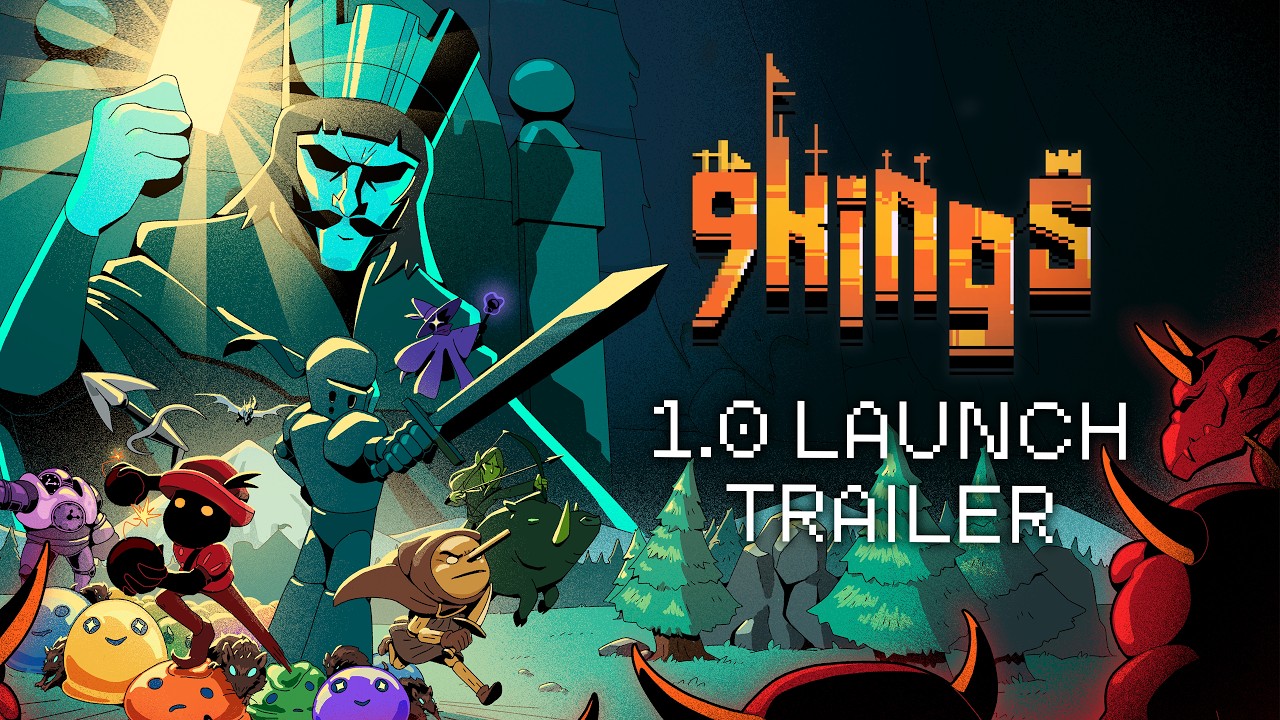
9 Kings makes kingdom building unusually compelling by replacing complicated management systems with a small grid, cards and automated battles. Each king has a distinctive deck and playstyle, while cards won from rivals open up surprising combinations. The pleasure comes from watching a modest settlement turn into an overwhelming army, then trying another approach in a quick new run. Quest, Joker, Endless and asynchronous multiplayer modes extend the experience beyond ordinary victories. The main drawbacks are unpredictable draws and crowded late battles that can make defeats difficult to understand. Some players also find the limited direct control too passive. Mobile play retains the core appeal, but precise touch placement and cross-platform save synchronization have limitations. Early Access reports include serious bugs, while a later 1.0 PC test encountered none. It is particularly appealing to strategy and roguelike fans who enjoy experimentation over elaborate simulation.
Fantasy armies fight with weapons and magic, with stylized pixelated blood, death sounds and demonic imagery. Asynchronous ranked competition also involves other players’ recorded runs.
Compared with other Video Games, this product is above average in crash stability, monetization fairness, localization support, near average in economy and resource balance, save system reliability, below average in sound design, controls responsiveness, narrative quality.
| Attribute | This product | Category average | Difference |
|---|---|---|---|
| sound design | 2.0 | 4.1 | -2.1 |
| crash stability | 5.0 | 3.2 | +1.8 |
| monetization fairness | 5.0 | 3.2 | +1.8 |
| localization support | 5.0 | 3.3 | +1.7 |
| controls responsiveness | 2.0 | 3.6 | -1.6 |
| polish | 5.0 | 3.4 | +1.6 |
| narrative quality | 2.0 | 3.6 | -1.6 |
| endgame content | 5.0 | 3.5 | +1.5 |
Choose Valheim. It scores 5.0 vs 2.0 for HUD clarity, with a 4.5 overall score.
Choose Silver Pines. It scores 4.9 vs 2.0 for sound design, with a 4.2 overall score.
Choose Chivalware. It scores 4.8 vs 2.0 for controls responsiveness, with a 4.1 overall score.
Choose Total War: WARHAMMER III – Lords of the End Times. It scores 4.9 vs 2.0 for narrative quality, with a 4.2 overall score.
Compared with 9 Kings
It combines grid-based kingdom building, card drafting, roguelike runs and automated army battles.
A typical run can take under half an hour, although extended runs can last around an hour. Solo runs can be saved and resumed.
Yes. Each king starts with distinct cards and abilities, and defeating rival kings allows you to combine their cards with your own.
Asynchronous ranked multiplayer matches your kingdom against recorded runs from other players. It is not a live head-to-head match, and a multiplayer run cannot necessarily be resumed later.
It retains the core experience and ran smoothly in a mid-range Android test. Touch placement can be fiddly and saves do not universally sync across platforms.
Unlucky draws can derail a strategy, late battles can be hard to interpret, and automated combat may feel passive. Some exceptionally large armies can also cause frame-rate drops.
These are a few of the reviews included in our analysis.

Verdikt: Kombinace karet, nenáročná hratelnost i možnost si vytvářet zajímavé strategie vás u tohoto zajímavého roguelike udrží na dlouhé...
We won with every king in 9 Kings. What makes this roguelike kingdom builder so hard to put down, where it trips up, and who should buy it.
9 Kings delivers an addictive kingdom-building and deck-building experience filled with creative strategies, powerful combinations, and...
Build a city, prepare the army, and kill enemy kings
A nine-ly done strategy game about revelling in tiny, pixelated wars.

Best for fluid traversal, rewarding exploration, striking art, and forgiving quality-of-life features. Skip it if you want deep combat, radical genre innovation, or consistently demanding bosses.
Pros: difficulty balance, boss design
Cons: innovation, sandbox freedom

Best for superb combat, inventive builds, and richly voiced characters. Skip it if repeated runs, resource gathering, or visually busy battles outweigh the appeal of steady progress.
Pros: overall quality, combat system
Cons: pacing, grind level

Good if you want a beautiful, demanding survival sandbox built around exploration, building, progression, and memorable co-op. Skip it if long resource runs, harsh death recovery, and deliberate pacing sound...
Pros: town-building system, exploration quality
Cons: grind level, fast travel convenience

Leonida is a breathtakingly alive crime sandbox with memorable protagonists, spectacular heists, and extraordinary detail. The tradeoff is a 30 fps ceiling, occasional control awkwardness, and some progression friction.
Pros: immersion, graphics quality
Cons: grind level, controls responsiveness