
Ad Astra
Where It Has the Edge
- cinematography is 4.8 vs 4.4. The photography is the most dependable attraction: intimate facial close-ups sit against immense planetary landscapes. Color, shadow and...

Scorata scores summarize analyzed review evidence on a 1–5 scale; they are not laboratory measurements or a simple average of customer star ratings. Feature scores summarize the reviews covering that feature. The overall score averages feature scores within each review, then combines review averages. When both expert and customer evidence are available, those two groups receive equal weight. Products can have different review coverage, so small score gaps do not establish a winner.
Recommendations prioritize important features for the category, with a score of at least 3.5, a gap of at least 0.25 points and at least two supporting reviews per product. Features with widely varying scores or broad connectivity contexts are excluded from recommendations. These safeguards do not establish statistical significance.
Quick verdict
The review evidence points to a tradeoff: cinematography versus scares. Choose according to which strengths matter more to you; the overall score alone does not settle that choice.
Choose Ad Astra for cinematography.
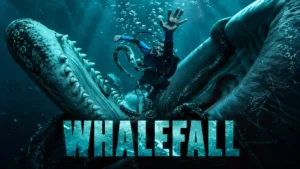
Choose Whalefall for scares.
Scores are out of 5. Missing scores mean missing review evidence, not a missing feature.
The visual experience can justify a matinee for one speaker, while another recommends waiting for a rental. These qualified recommendations reflect admiration for the spectacle alongside disappointment with the story.
One assessment praises the tangible filmmaking as impressive beside far more expensive effects-heavy productions.
Some enthusiastic viewers plan a second viewing to revisit the film's themes and imagery. Those who find the journey emotionally empty prefer returning to other science-fiction films.
Enthusiastic viewers want to revisit the film immediately or at home. Others see it as a memorable one-time experience with little reason to return.
The visual journey can be mesmerizing and even thrilling between its quiet stretches. Enjoyment falls substantially when the slow paternal drama fails to create personal investment.
The squirming survival sequences provide a memorable ride for many. Repetitive danger and sentimental interruptions leave others bored or disengaged.
Digital effects are praised for looking seamless and supporting the story rather than substituting for it. Planetary vistas and large-scale space imagery provide considerable spectacle.
Many find the whale and underwater effects convincing. Others strongly dislike the exterior creature model or the contrast between digital imagery and physical sets.
The choice of performers earns praise, especially Pitt as the restrained lead and Jones as the intimidating father. Strong casting does not always translate into substantial supporting roles.
Abrams is often considered an excellent fit for a vulnerable, resourceful survivor. Brolin’s familiar gruff persona works for some but feels too obvious or limiting to others.
A familiar search for a missing father structures the adventure. Some appreciate its departure from conventional payoff, while others find the quest derivative and predictable.
A diver trapped inside a living whale gives the film an unusually bold setting. The father-son material feels much more familiar to its detractors.
Roy's gradual emotional opening is compelling to many, especially through Pitt's small gestures. Others struggle to connect with him and find the supporting characters, particularly the women, thinly developed.
Jay’s emotional growth works best when survival and memory reinforce each other. Critics find him thinly defined and the women in his family insufficiently developed.
Commercial flights charging for pillows and familiar businesses on the moon provide welcome satirical touches. The overall solemnity leaves some viewers wishing for more levity.
Abrams brings welcome flashes of levity to the ordeal. Some laughs arise from awkward dialogue or exaggerated drama rather than successful comic moments.
The restrained father-son scenes can carry wrenching power, while the brief encounters on Mars bring a welcome emotional charge. These connections work best for viewers invested in Roy's interior life.
Abrams and Brolin’s friction creates powerful emotional scenes for many. A minority find their bond flat or struggle to believe they belong to the same family.
For some, the full journey stays engaging; for many others, a simple story is stretched beyond what it can sustain. The drawn-out later passages are the clearest source of length complaints.
The roughly 106-minute length feels propulsive to some and overextended to others. Several critics want a shorter ordeal, while one wants more time with Jay’s mother and sisters.
The cutting can flow smoothly through the hypnotic voyage, but some passages feel like disconnected episodes. The released edit also drew criticism from the director over lost creative control.
The cuts between present danger and earlier lessons can create powerful connections. They can also interrupt suspense or make the emotional backstory feel rushed and mechanical.
The turn toward human connection and responsibility resonates strongly with supporters. Others find the humanist and religious ideas too familiar, sentimental or overtly stated.
The film links reconciliation and parental legacy with the ocean’s cycle of death and renewal. Its ecological ideas and openness about male vulnerability can be especially affecting.
This is thoughtful, psychologically focused space cinema with intermittent blockbuster spectacle. It rewards viewers receptive to that combination, but does not consistently satisfy expectations of action or scientific rigor.
The whale ordeal delivers gripping survival horror for many viewers. Others find the heavy family drama drains the tension promised by the premise.
The score is repeatedly praised for eerie electronic textures and emotionally expansive orchestration. Its restraint and later warmth often do more to carry feeling than the dialogue.
Joseph Trapanese’s music often heightens the scale, momentum, and emotional force. A dissenting response finds the swelling crescendos too insistent.
An intimate search for meaning unfolds across a vast interplanetary mission. Reactions depend on whether its simple paternal core feels absorbing and mythic or thin and overexplained.
The survival hook is compelling, but reactions depend on whether its emotional and spiritual ambitions feel earned. Admirers find a moving adventure; critics see a thin premise stretched around contrivances.
Seamless visual effects and expansive space imagery give the journey substantial spectacle. The technical polish remains a strength even for viewers disappointed by the human story.
The whale’s living interior and marine encounters can be spectacularly convincing. Responses become less consistent around visibly digital creatures and surreal imagery.
The mayday encounter and other implied horrors can be genuinely unnerving, sometimes through restraint rather than prolonged exposure. Some critics wish those scares had more sustained purpose.
Confinement, digestion, deep water, and severe injuries create sustained dread. Many find the film more frightening than its thriller label suggests.
The meditative, somber atmosphere can feel hypnotic and carefully sustained. Others find it oppressive or awkwardly interrupted by pulpy action.
The film moves between bodily terror and openly sentimental family drama. Some appreciate the sincerity; others find the shifts disruptive, especially near the end.
The everyday commercial details and lived-in colonies are frequently convincing. Scientific liberties, especially around travel, gunplay and the late space maneuvers, limit that credibility for skeptical viewers.
Tactile sets and committed acting can make the impossible situation feel immediate. Convenient supplies, unusual lighting, and the finale strain credibility for skeptical viewers.
For admirers, Roy's restraint makes his eventual vulnerability deeply moving. Other viewers remain outside the characters' lives and leave more drained than affected.
The relationship can provoke tears and unexpected catharsis, particularly around parental loss. Viewers who resist its sentimentality find the emotional payoff much weaker.
The basic mission is easy to follow, but late logistics and character decisions can become hazy or illogical. Some viewers find the future setting insufficiently explained despite the extensive narration.
Some find the whale’s chambers easy to understand through visual storytelling. Others want a clearer sense of the anatomy, Jay’s location, and the purpose of his movements.
The photography is the most dependable attraction: intimate facial close-ups sit against immense planetary landscapes. Color, shadow and carefully composed images make even skeptical critics admire the presentation.
Tight framing traps the audience beside Jay, while wider ocean shots convey the creatures’ scale. Dark or busy action can sometimes make his movements hard to follow.
The production's tangible, lived-in surfaces earn praise for their unshowy craftsmanship. Practical artistry helps make the stations and interiors feel inhabited.
Physical whale chambers give the danger weight and let Abrams interact with moving surroundings. The tactile builds are repeatedly praised as a major strength.
Masculinity, abandonment, faith and human connection give the film room for several readings. Admirers find that depth rewarding; skeptics see familiar ideas presented with too much explanation.
The film connects physical entrapment with grief, masculinity, and unresolved parental conflict. Admirers appreciate the ambition, while critics find the metaphors too blunt.
Some lines provide sharp humor or a moving humanist thought. More often, complaints focus on therapy-like declarations and dialogue that spells out ideas already visible on screen.
Expository lines and blunt emotional statements are recurring complaints. Occasional natural exchanges work better than the repeated explanations of feelings and survival mechanics.
The patient tempo lets Roy's inward journey breathe for some viewers. Slowdowns, especially in the second half, repeatedly draw complaints of boredom and lost momentum.
Some find the escalating hazards gripping throughout; others feel repeated flashbacks interrupt the urgency. The balance between physical survival and remembered family conflict is the key dividing point.
The opening disaster, lunar chase and mayday stop can generate strong tension. The quieter stretches lose urgency for critics who feel the stakes stay theoretical or the mystery stalls.
Dwindling air and escalating injuries keep many viewers on edge. Flashbacks and repetitive obstacles weaken that pressure for less engaged viewers.
The finish splits opinion sharply: some find earned forgiveness and meaningful closure, while others call the reunion anticlimactic. Its explicit message and loose logistics are frequent sticking points.
The surreal finale is the film’s biggest gamble. It delivers catharsis for some and feels cheesy, implausible, or emotionally forced to others.
Supporters admire nuanced character ideas and the tension between institutional duty and personal need. Repeated criticism centers on obvious exposition, familiar paternal themes and questionable plot decisions.
The screenplay cleverly links remembered lessons to present danger for its supporters. Detractors object to contrived solutions, explanatory dialogue, and repeated emotional cues.
The father-son story can turn an enormous space journey into intimate emotional drama. Detractors find the confrontation tepid or conventional enough to weaken the spectacle around it.
The father-son story gives the spectacle meaning for its admirers. Others find the conflict repetitive, emotionally manipulative, or less engaging than the survival material.
Gray's control of scale, atmosphere and quietly staged action earns considerable admiration. His insistence on a solemn, explicitly explained paternal journey is more divisive.
Brian Duffield’s strongest work makes a confined, improbable situation feel tense and tangible. His handling of the family drama draws more qualified responses.
Parental abandonment and the fear of becoming one's father give the voyage its human stakes. The same focus feels poignant to some and overly familiar or bluntly explained to others.
The father’s tough-love approach creates both lasting wounds and skills that help Jay survive. Whether that tension feels insightful or like an unearned redemption divides opinion.
The opening fall and moon-rover chase are recurring highlights, admired for their scale, invention and graceful staging. Some viewers find the violent detours disconnected from the central journey.
The whale swallowing Jay and his encounters with the squid are frequent highlights. Some later battles lose their impact when the action becomes visually muddled.
The supplied account describes a strongly favorable critical reception. That enthusiasm sits alongside a much more divided collection of individual reactions to the story.
The supplied critical reactions lean favorable while retaining prominent dissent. Enthusiasm for the survival spectacle coexists with substantial criticism of the dramatic material.
The narration divides viewers between those who need it to connect with the reserved lead and those who find it redundant. Its therapy-like wording and tendency to verbalize subtext attract repeated criticism.
Avoiding constant narration helps preserve the physical storytelling. The later fatherly voice and remembered guidance feel affecting to some and corny or overwrought to others.
Several viewers feel the trailers promise more action than the finished film supplies, and one critic objects to spoiled encounters. Another praises the campaign for outlining the drama without revealing its particulars.
The promotion emphasizes the whale ordeal more than the family drama and spiritual material. Several viewers were surprised by how much emotional storytelling the movie contains.
Pitt is widely admired for conveying hurt and change through a tightly controlled exterior. A few critics find that restraint wooden, while supporters rank it among his strongest performances.
Austin Abrams is widely praised for conveying fear, pain, and vulnerability through obstructive diving gear. A few dissenters find his characterization weak or his dramatic scenes less convincing.
Jones, Negga and Sutherland receive praise for expressive, often very brief performances. The cast's limited screen time and the thin opportunities given to several characters remain common reservations.
Josh Brolin’s stern father is commanding and layered for some viewers, overbearing and exaggerated for others. The remaining family members have limited opportunities to register.
Brad Pitt's controlled performance draws broad praise, with several critics also admiring Tommy Lee Jones and the brief supporting turns. A smaller group finds the lead too wooden or emotionally distant.
The central performances sell extreme physical danger and, for many, the fraught family bond. The acting in the flashbacks attracts more disagreement than the survival work.
Planetary landscapes, dramatic lighting and close studies of Pitt's face give the film a striking visual identity. Its beauty is a reliable strength even when the drama divides opinion.
The film combines eerie bioluminescence, fleshy interiors, and enormous ocean creatures. Those striking images can be undermined by murkiness or effects that look overly digital.
Retrofuturistic ships, commercialized lunar terminals and rust-colored Martian interiors create a striking, often convincing setting. A dissenting view questions the practicality of transparent interfaces.
The contracting, wet chambers make the whale feel like a physical environment Abrams must fight through. Detailed surfaces and changing chambers create an inventive, oppressive escape room.
Quiet lunar action and carefully placed sound cues strengthen the sense of isolation and danger. The sonic presentation is a major reason to seek an immersive screening.
Whale clicks, sloshing fluid, pressure changes, and cracking bones make the ordeal unusually immersive. The enveloping audio is a major reason to favor a well-equipped theater.
The whale’s cramped, living interior creates a suffocating sense of danger. Underwater darkness and bodily textures make this an especially uneasy watch.
Jay’s mother and sisters receive little space beyond establishing his family situation. Several viewers wanted more from the recognizable supporting actors.
Photography, production design and music can work together with striking coherence. The director's account of losing control over the released cut introduces a separate concern about the studio collaboration.
The women occupy small, sometimes stereotypical roles around the male lead. Critics of that imbalance find the wife's largely silent presence especially limiting.
The diving mouthpiece makes Jay’s speech hard to understand. Some viewers want subtitles to catch lines lost beneath the muffled delivery.
The hero's responsibility for other astronauts' deaths attracts criticism when the story turns back toward his personal mission. The celebratory return can feel insufficiently attentive to those consequences.
The adaptation preserves the novel’s central relationship, structure, and strange emotional turns. That fidelity impresses admirers but exposes material some find more persuasive on the page.
A damaged father-son bond drives the story. Its mixture of harsh parenting, love, resentment, and attempted reconciliation feels resonant to some and formulaic to others.
The strained father-son bond gives the survival ordeal unexpected emotional weight for many viewers. Others find the repeated conflict and reconciliation too familiar, overstated, or unconvincing.
Mutilation, blood, and digestive injuries make this a poor fit for viewers with weak stomachs. The bodily ordeal remains a significant part of the experience.
Regret, unresolved conflict, and the death of a parent give the ordeal emotional weight. Some find that grief deeply recognizable, while others find its presentation too insistent.
Bioluminescence gives the whale interior an inventive visual identity. Some praise the balance of darkness and visibility, while others find the action murky or the illumination implausible.
The missing expedition gives the early journey an intriguing question and a sense of anticipation. Its final explanation disappoints viewers who expect a stronger revelation.
The mother and sisters remain too lightly developed to matter much to the central story. Their limited characterization is a missed opportunity.
Recognizable airlines and fast-food chains make space colonization amusingly mundane. These brands are generally appreciated as satire and grounding details rather than glamorous futuristic decoration.
Spiritual imagery lends the whale ordeal a purgatorial dimension. Reactions split between fascination with that symbolism and frustration with its heavy-handed delivery.
The estranged wife is usually a distant image rather than a developed partner. Her thin, largely silent role weakens the marital dimension for several critics.
Abrams’s physical endurance helps sell the ordeal. One enthusiastic response highlights the demanding diving and survival work.
Improvising with diving gear and swallowed debris creates engaging escape-room puzzles. The solutions lose appeal when convenient supplies or emotional revelations seem to do too much of the work.
The Latin title can be an awkward first impression for viewers unsure how to pronounce it. One viewer finds that difficulty an obstacle to approaching the film.
One positive response welcomes how far the film pushes its painful physical peril. The approval concerns the intensity’s dramatic effectiveness rather than the amount of violence.
Patient viewers who enjoy contemplative science fiction are the clearest fit. The quiet lead and inward focus can frustrate anyone expecting a fast space adventure.
Jay’s vulnerability makes him easy to support for many viewers. A few find his passivity or thin characterization prevents a strong rooting interest.
The trailer’s whale encounter creates strong anticipation by presenting an immediate, unusual survival predicament.
One enthusiastic response praises how the title connects the whale’s ecological legacy with the lasting effects of a father-son relationship.
The squid and immense whale can be striking, convincing presences. Some find the whale oversized or its internal structures too artificial.
Commercialized lunar life and remote Martian bases offer imaginative, recognizable glimpses of the future. Some viewers relish the hints, while others want a more fully developed setting.
The music supplies atmosphere, emotional lift and a sense of cosmic scale. Its subdued passages and richer orchestration are among the film's most consistently admired elements.

Choose this inventive, unsettling documentary for fearless questioning, dark humor, and unpredictable storytelling. Skip it if you want a short, straightforward exposé with definitive answers.
Pros: originality, humor

Best for a hypnotic, bookish mystery with tactile visuals and cerebral chills. Skip it if reading-heavy, attention-demanding storytelling sounds more exhausting than exciting.
Pros: Atmosphere, cinematography
Cons: audience appeal

Best for an intimate, searching documentary that rewards focused attention and invites discussion. Skip it when devastating grief, addiction footage, and unresolved family tensions would be too much.
Pros: emotional impact, theme depth

Best for patient suspense, an unforgettable score, and an unsettling masked killer. Skip it for very young children or if you want to avoid intense scares; its restrained kills also...
Pros: directing quality, score quality
Cons: message quality