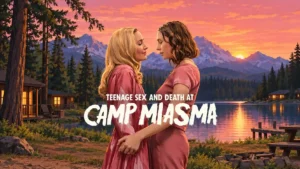
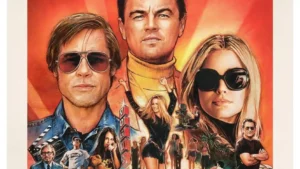
Teenage Sex and Death at Camp Miasma
Where It Has the Edge
- violence level is 4.7 vs 2.3. The bloodshed is extravagant, stylized and often comic rather than punishing, which many slasher fans enjoy. A dissenting...

Scorata scores summarize analyzed review evidence on a 1–5 scale; they are not laboratory measurements or a simple average of customer star ratings. Feature scores summarize the reviews covering that feature. The overall score averages feature scores within each review, then combines review averages. When both expert and customer evidence are available, those two groups receive equal weight. Products can have different review coverage, so small score gaps do not establish a winner.
Recommendations prioritize important features for the category, with a score of at least 3.5, a gap of at least 0.25 points and at least two supporting reviews per product. Features with widely varying scores or broad connectivity contexts are excluded from recommendations. These safeguards do not establish statistical significance.
Quick verdict
The available evidence supports the recommendation below, but does not establish an overall winner. Check the remaining features against your priorities.
Choose Teenage Sex and Death at Camp Miasma for violence level.
There is not enough comparable review evidence to recommend Once Upon a Time … in Hollywood over the other product.
No clear scored advantage over the other product.
Scores are out of 5. Missing scores mean missing review evidence, not a missing feature.
The queer and trans perspective is treated as a meaningful part of the film’s emotional and genre framework, with its representation praised for creating recognition and connection.
The celebration of a male-centered Hollywood past and the caricature of Bruce Lee raise concerns about whose stories the film values.
Sharp cuts and inventive transitions give the slasher material extra punch, with the burn-through transition and rapid visual rhythm singled out as especially effective.
The movie’s detours can be enjoyable, but some scene transitions and cutaways feel choppy or needlessly prolonged.
The bloodshed is extravagant, stylized and often comic rather than punishing, which many slasher fans enjoy. A dissenting view finds the violent payoff too limited for the film’s provocative setup.
The climactic brutality delivers deliberately outrageous shocks, but several find it excessive or tonally disruptive.
The script earns praise for ambitious ideas, wit and emotional candor, but its density can become heavy-handed or self-indulgent. The balance between thesis and story is a major dividing line.
The script can be playful, surprising and emotionally revealing, although its digressions and weak overall propulsion frustrate plot-first viewers.
Kris’s movement from guarded self-consciousness toward sexual and emotional liberation lands powerfully for many, though some find secondary characters thin or caricatured.
Rick’s fear of fading relevance gives the film real pathos, while Cliff’s complicated past adds mystery. Sharon’s comparatively limited arc disappoints some viewers.
The movie intentionally favors dream logic, painted spaces and emotional truth over literal realism. That abstraction is enchanting for some and distancing for others.
The period setting feels plausible and tactile, even as the plot openly favors stylized fantasy over strict realism.
The dialogue can be intimate, funny and unusually candid about desire, but some lines and thematic explanations feel overly declarative or tacked on.
There are funny and revealing conversations, but some miss the tight, instantly quotable dialogue of the director’s earlier films.
The blend of tenderness, camp, gore, satire and dream logic is exhilarating when it clicks, but the violent tonal shifts can also feel unstable or jarring.
The mix of wistful character drama, broad comedy and sudden extreme violence is daring, but not always comfortable or cohesive.
Jane Schoenbrun’s direction is widely admired for its distinctive visual imagination, tonal nerve and personal point of view. The main reservation is that the same freedom can become self-indulgent or narratively unruly.
The filmmaking is packed with confident visual and comic flourishes. That confidence sometimes tips into self-indulgence, especially around the ending.
One assessment finds the movie so absorbed in homage and reference that it struggles to stand fully on its own story despite its creative flourishes.
The blend of fictional film-industry lives with true history can feel audacious and surprising, although its familiar directorial tricks seem predictable to some.
Tension often comes from anticipation and inevitability rather than traditional jump scares, with the film keeping some viewers on edge even as it undercuts dread with humor.
Knowledge of the Manson murders adds looming dread to seemingly carefree scenes. Cliff’s tense ranch visit is a particular high point.
The film’s deepest strength is its layered exploration of desire, shame, identity, fandom and the complicated pleasure of loving flawed art. Even mixed reactions often engage seriously with those ideas.
A reflection on fame, aging, Hollywood mythmaking and the distance between history and fantasy gives the film more to ponder than its wandering plot suggests.
The flamboyant massacre and one-take killing spree are frequent highlights, praised for choreography, editing and sheer slasher exuberance. A few viewers are less engaged by the gore-heavy set pieces.
A few carefully staged fight scenes have memorable comic energy, even though action is not the film’s main focus.
The campy gore, industry satire and oddball sexual comedy produce frequent laughs for many viewers. The humor is also a taste filter, with some finding it cringey, forced or ineffective.
The movie blends slapstick, character comedy and dark absurdity, with several scenes delivering big laughs even for viewers who find the plot weak.
Saturated color, tactile lighting, unusual framing and playful camera techniques make the cinematography a standout. The dreamlike camp imagery is repeatedly described as striking and immersive.
Sunlit streets, twilight neon and lovingly composed period imagery make Los Angeles visually intoxicating. The photography is repeatedly singled out as a major achievement.
The pacing is one of the recurring weaknesses, with complaints about long-winded passages, redundancy and a meandering later stretch. The strongest set pieces still move with considerable energy.
Long stretches of driving, filmmaking and hanging out reward patient viewers, but the middle can feel indulgent or slow.
Beneath the camp and gore, the film often lands as heartfelt, vulnerable and moving, particularly in its treatment of shame, desire and self-acceptance. A few find it less affecting than Schoenbrun’s earlier work.
Beneath the jokes and show-business trivia lies genuine tenderness about aging, friendship and fleeting fame. The film’s quietest moments often land hardest.
The ending is sharply divisive: some find the final plunge into fantasy immersive and liberating, while others see padding, confusion or a late collapse in narrative coherence.
The startling alternate-history ending inspires both excitement and disappointment. Its abrupt graphic violence can seem at odds with the movie’s preceding tenderness.
Hannah Einbinder and Gillian Anderson’s charged, tender chemistry is one of the most consistent strengths, giving the central relationship warmth even when the story turns surreal.
The easygoing connection between DiCaprio and Pitt makes their partnership credible and enjoyable. Their contrasting energies carry lengthy stretches of character-led storytelling.
The story can be heartfelt, sharp and thematically rich, but it is also one of the main sources of division. Some see a brilliant emotional arc; others see references and surrealism overwhelming a coherent narrative.
The story works best as an affectionate collection of lives and scenes rather than a tightly driven plot. Several viewers find its loose structure unsatisfying.
The length draws some criticism because the film can feel long-winded or padded after its main ideas have landed, particularly around the epilogue and later digressions.
At roughly two hours and forty minutes, the film feels lavishly immersive to some and unnecessarily lengthy to others.
Its dense references, layered imagery and deliberately unstable reality inspire repeated-viewing interest, with several viewers wanting to revisit it immediately or unpack more on a second pass.
There is enough period detail and layered character work to invite another viewing, though its long, wandering structure limits repeat appeal for some.
Most reactions emphasize how funny, strange and wildly entertaining the movie can be, especially for viewers on its wavelength. A small minority find the experience irritating or exhausting instead.
Most find this a funny, visually lush and absorbing movie, despite reservations about its length and uneven payoff.
The supporting ensemble supplies memorable comic and horror-flavored cameos, though several assessments note that many smaller roles are intentionally thin or one-note.
Brief appearances by character actors add texture and sparkle, with several scene-stealing turns in the ranch and studio sequences.
Needle drops, covers and Alex G’s music are major pleasures, often described as inspired or perfectly chosen. A few choices are considered overly obvious or on-the-nose.
The vintage rock, pop and carefully timed song selections deepen the sense of place and the story’s wistful mood.
The ensemble is broadly praised as fearless and well matched to the film’s heightened tone. Even mixed assessments tend to single out the acting as a strength.
Performances are an outstanding strength, with expressive leading turns and lively supporting actors. Even viewers frustrated by the story often admire the cast.
The two leads are the clearest consensus strength: Hannah Einbinder brings nervous vulnerability and comic precision, while Gillian Anderson supplies magnetic, playful glamour.
Leonardo DiCaprio brings insecurity and humor to a fading television star, while Brad Pitt contributes effortless confidence and charm. Their performances hold the loose story together.
Candy colors, matte-painted landscapes, stylized gore and dreamlike compositions form the strongest area of agreement. Even negative reactions often concede that the film looks distinctive and beautiful.
Rich color, retro signage and a dreamlike cinematic glow create a distinctive visual identity. A few find the images showy rather than meaningful.
Painted backdrops, fake franchise memorabilia, camp sets and tactile props create an unusually rich artificial world. The handmade look is repeatedly celebrated as part of the movie’s identity.
Marquees, cars, streetscapes and sets recreate Hollywood at a turning point with remarkable detail. The period immersion often outweighs complaints about the plot.
Little Death’s vent-headed silhouette is an especially memorable design, and the film’s stylized wardrobe helps sell its handmade, heightened slasher world.
The late-sixties wardrobe is a stylish, sharply observed part of the movie’s period atmosphere.
The heightened, direct sound work is singled out for making otherwise comic or exaggerated moments feel physically unnerving.
Radio chatter, old advertisements, music and TV audio overlap to create a vivid, lived-in soundscape of 1969.
Late-1960s Los Angeles feels wonderfully alive through meticulous storefronts, marquees, cars, television clips and radio details. The richly recreated era is one of the movie’s most dependable pleasures.
The anxiety of being discarded by a changing entertainment industry adds melancholy and unexpected humanity to Rick’s struggles.
The Bruce Lee encounter produces a crowd-pleasing comic set piece, though the exaggerated characterization and outcome strike some as disrespectful.
The principal casting makes the fictional Hollywood friendship feel natural, and several supporting performers fit their eccentric parts beautifully.
The intentionally unreal digital blood works for some as part of the film’s fever-dream aesthetic, while others notice the computer-generated gore and prefer the practical work.
Sharon Tate has several striking moments but little dialogue and less time than the male leads; her limited presence is a notable frustration for some.
Old Westerns, forgotten television programs and pop-culture callbacks fill almost every scene. Film enthusiasts may revel in the details, though the density can be overwhelming.
The psychosexual drama is dark, delirious and emotionally charged, using the blurred line between reality and fiction to intensify the central relationship.
A playful credits surprise offers one more small pleasure for attentive movie fans.
The occasional explanatory voiceover disrupts the film’s otherwise immersive, show-don’t-tell approach.
The sudden burst of graphic chaos is an audacious payoff for some and an unpleasant mismatch for others.
Rick and Cliff’s loyal, affectionate companionship is the heart of the film. Their shared history makes even mundane driving and television-watching scenes engaging.
As a meta-slasher, it earns strong praise for loving the genre without simply mocking it, but it deliberately deprioritizes sustained fear and conventional slasher structure.
The alternate-history showdown is designed to be explosive and unexpected, but its extreme brutality and resolution divide opinion.
The Manson followers bring an unsettling menace to the otherwise sunny Hollywood setting. The eerie Spahn Ranch visit is especially effective.
Striking performances, vivid set pieces and a controversial final act leave a strong impression.
Its ideas about desire, shame, fandom and loving problematic art resonate strongly when the emotional through-line clicks. Detractors find some of the messaging heavy-handed, muddled or overexplained.
The three parallel Hollywood storylines create an ambitious mosaic, but their eventual connection feels uneven or underdeveloped to some.
The exaggerated Bruce Lee fight is a particularly memorable source of physical comedy, although its characterization is contentious.
Dream logic and shifting layers of fiction make the story intentionally slippery, but confusion is a repeated complaint. Viewers comfortable with ambiguity fare much better than those wanting a cleanly resolved plot.
Some appreciate the tenderness shown toward Sharon Tate, while others object to how little agency women have and to the camera’s lingering objectification.
The practical blood work and tactile effects can be fun and convincing, but the mix with digital gore leaves some wishing the film had leaned more heavily on practical techniques.
One assessment finds the conspicuous candy, fast-food and cereal branding distracting enough to briefly pull attention away from the movie.
The Kris-Billy relationship is widely praised as tender, strange and genuinely sexy, with the actors’ chemistry helping the romance survive the film’s most abstract turns.
This is consistently described as a very low-scare horror film. The kills and gore are usually played as camp, memory or comedy rather than sustained dread, which will disappoint viewers seeking real fear.
Alex G’s score is repeatedly praised for its dreamy, inspired mood and its ability to keep the surreal slasher world buoyant.
The film’s frank, horny treatment of sexuality is often praised as joyful, liberating and central to its themes rather than merely provocative. A few viewers find the execution too much or still not satisfying on its own terms.
Sharon Tate is presented with warmth, innocence and tenderness, especially in the cinema sequence. Some find the portrait moving, while others wish she had a fuller personality and more to do.
The combination of practical and digital effects is praised for serving the film’s deliberately exaggerated slasher aesthetic rather than chasing realism.
This is a strongly taste-dependent movie: slasher devotees, queer-horror fans and adventurous cinephiles often embrace it, while viewers wanting conventional scares or straightforward storytelling can bounce off hard.
Rick’s insecurity and Cliff’s relaxed self-assurance make a memorable pair, although some find the characters too thin or hard to care about.
The loving recreation of late-sixties entertainment culture is intoxicating for many. Others regard the backward gaze as indulgent or regressive.
The late use of narration can feel like a clumsy way of connecting the separate storylines.
The film deliberately mingles real events and characters with an invented fairy tale; it is more interested in cinematic myth than historical fidelity.
Value reactions are polarized: enthusiastic viewers call individual scenes worth the price of admission, while a strongly negative take says the experience is not worth paying for.
The fake Camp Miasma franchise feels unusually complete thanks to its opening montage, props, sequels, lore and period textures. That invented horror history is repeatedly cited as one of the movie’s most convincing achievements.

Choose this inventive, unsettling documentary for fearless questioning, dark humor, and unpredictable storytelling. Skip it if you want a short, straightforward exposé with definitive answers.
Pros: originality, humor

Extraordinary performances and richly observed relationships make this a rewarding, emotionally forceful drama. Its nearly three-hour length and slow opening demand patience and undivided attention.
Pros: class commentary, character development

Best for a hypnotic, bookish mystery with tactile visuals and cerebral chills. Skip it if reading-heavy, attention-demanding storytelling sounds more exhausting than exciting.
Pros: Atmosphere, cinematography
Cons: audience appeal

Best for an intimate, searching documentary that rewards focused attention and invites discussion. Skip it when devastating grief, addiction footage, and unresolved family tensions would be too much.
Pros: emotional impact, theme depth