Compare Never After Dark vs Teenage Sex and Death at Camp Miasma

Never After Dark

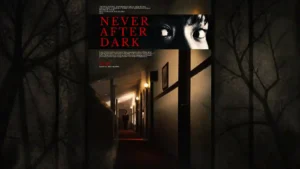
Never After Dark

Overall score 4.6 / 5

Based on 31 scored reviews

vs
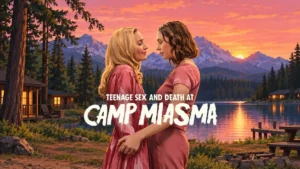
Teenage Sex and Death at Camp Miasma

Teenage Sex and Death at Camp Miasma

Overall score 4.4 / 5

Based on 63 scored reviews

How we score

Scorata scores summarize analyzed review evidence on a 1–5 scale; they are not laboratory measurements or a simple average of customer star ratings. Feature scores summarize the reviews covering that feature. The overall score averages feature scores within each review, then combines review averages. When both expert and customer evidence are available, those two groups receive equal weight. Products can have different review coverage, so small score gaps do not establish a winner.

Recommendations prioritize important features for the category, with a score of at least 3.5, a gap of at least 0.25 points and at least two supporting reviews per product. Features with widely varying scores or broad connectivity contexts are excluded from recommendations. These safeguards do not establish statistical significance.

Quick verdict

What each product is best for

The review evidence points to a tradeoff: scares and realism versus emotional impact and originality. Choose according to which strengths matter more to you; the overall score alone does not settle that choice.

Choose Never After Dark for scares and realism.

Choose Teenage Sex and Death at Camp Miasma for emotional impact and originality.

Why these recommendations?

Never After Dark

Where It Has the Edge

  • scares is 4.4 vs 1.5. Most reviewers find the film genuinely creepy or frightening, especially once its restrained setup turns violent. A few...
  • realism is 5.0 vs 3.8. The movie makes its supernatural system feel tangible through clearly defined rules and practical techniques. Even impossible events...

Teenage Sex and Death at Camp Miasma

Where It Has the Edge

  • emotional impact is 4.8 vs 4.2. Beneath the camp and gore, the film often lands as heartfelt, vulnerable and moving, particularly in its treatment...
  • originality is 4.9 vs 4.3. Even skeptical viewers tend to acknowledge how unusual the movie is. Its fusion of slasher homage, romance, queer...
  • acting performance is 4.9 vs 4.4. The ensemble is broadly praised as fearless and well matched to the film’s heightened tone. Even mixed assessments...
Never After Dark 4.6 overall score
Teenage Sex and Death at Camp Miasma 4.4 overall score

Compare features

Scores are out of 5. Missing scores mean missing review evidence, not a missing feature.

Scored on both products

Other features

Scares
Never After Dark
4.4

Most reviewers find the film genuinely creepy or frightening, especially once its restrained setup turns violent. A few think it is more gruesome than scary or not scary enough, so the fear factor depends heavily on patience with atmospheric horror.

Teenage Sex and Death at Camp Miasma
1.5

This is consistently described as a very low-scare horror film. The kills and gore are usually played as camp, memory or comedy rather than sustained dread, which will disappoint viewers seeking real fear.

Screenplay quality
Never After Dark
5.0

The script is praised for strong construction, careful turns, and economical storytelling, with one review calling the whole production well-written and another describing it as fastidiously scripted.

Teenage Sex and Death at Camp Miasma
3.1

The script earns praise for ambitious ideas, wit and emotional candor, but its density can become heavy-handed or self-indulgent. The balance between thesis and story is a major dividing line.

Plot originality
Never After Dark
4.3

The film often earns praise for redirecting conventional haunted-house expectations and landing an unexpected turn. A minority finds the setup predictable or the second act too familiar before that shift arrives.

Teenage Sex and Death at Camp Miasma
2.5

One assessment finds the movie so absorbed in homage and reference that it struggles to stand fully on its own story despite its creative flourishes.

Practical effects quality
Never After Dark
5.0

The tactile effects are strongly praised, from in-camera reflections and physical props to moving objects and gore. Reviewers repeatedly prefer their grounded feel to a more digitally processed ghost aesthetic.

Teenage Sex and Death at Camp Miasma
3.3

The practical blood work and tactile effects can be fun and convincing, but the mix with digital gore leaves some wishing the film had leaned more heavily on practical techniques.

Story quality
Never After Dark
4.3

Most reviewers find the story clever, involving, compelling, or highly satisfying, especially when the ghost procedural changes shape. The sharpest dissent calls it generic and underexplored despite its polished atmosphere.

Teenage Sex and Death at Camp Miasma
2.8

The story can be heartfelt, sharp and thematically rich, but it is also one of the main sources of division. Some see a brilliant emotional arc; others see references and surrealism overwhelming a coherent narrative.

Ending satisfaction
Never After Dark
4.2

Most reviewers like the late escalation, calling the finale crowd-pleasing, showstopping, brutal, or worth the wait. A smaller group finds the resolution conventional, less moving than expected, or weakened by late complications.

Teenage Sex and Death at Camp Miasma
2.8

The ending is sharply divisive: some find the final plunge into fantasy immersive and liberating, while others see padding, confusion or a late collapse in narrative coherence.

Realism
Never After Dark
5.0

The movie makes its supernatural system feel tangible through clearly defined rules and practical techniques. Even impossible events gain a convincing sense of physical reality.

Teenage Sex and Death at Camp Miasma
3.8

The movie intentionally favors dream logic, painted spaces and emotional truth over literal realism. That abstraction is enchanting for some and distancing for others.

Tonal consistency
Never After Dark
5.0

A major genre turn becomes nastier and more physical without feeling disconnected from the earlier ghost story, preserving the film’s identity as its threat changes.

Teenage Sex and Death at Camp Miasma
4.0

The blend of tenderness, camp, gore, satire and dream logic is exhilarating when it clicks, but the violent tonal shifts can also feel unstable or jarring.

Pacing
Never After Dark
3.3

Pacing is the most consistent tradeoff. Admirers see deliberate patience and even call the tension-and-pacing balance masterful, while several others say the first hour drags, the tempo turns abrupt late, or impatient viewers may check out.

Teenage Sex and Death at Camp Miasma
2.4

The pacing is one of the recurring weaknesses, with complaints about long-winded passages, redundancy and a meandering later stretch. The strongest set pieces still move with considerable energy.

Theme depth
Never After Dark
4.1

The film gains depth from grief, memory, time, and its idea that the living can be more frightening than ghosts. Most reviewers find those ideas engaging, though one critic sees too many thematic avenues left unexplored.

Teenage Sex and Death at Camp Miasma
5.0

The film’s deepest strength is its layered exploration of desire, shame, identity, fandom and the complicated pleasure of loving flawed art. Even mixed reactions often engage seriously with those ideas.

Character development
Never After Dark
3.6

Airi’s isolation and inner life give the film a strong character center, and one source calls her notably complex. Others think the supporting roles and backstory remain underdeveloped, especially when late plotting competes with emotional depth.

Teenage Sex and Death at Camp Miasma
4.3

Kris’s movement from guarded self-consciousness toward sexual and emotional liberation lands powerfully for many, though some find secondary characters thin or caricatured.

Emotional impact
Never After Dark
4.2

The film’s emotional pull comes mainly from grief and the sisters’ relationship. Most find that material haunting or well restrained, though one review argues the first half does not build enough emotional depth for the uncertain ending.

Teenage Sex and Death at Camp Miasma
4.8

Beneath the camp and gore, the film often lands as heartfelt, vulnerable and moving, particularly in its treatment of shame, desire and self-acceptance. A few find it less affecting than Schoenbrun’s earlier work.

Originality
Never After Dark
4.3

Reviewers generally admire how the film twists familiar ghost-story mechanics, especially its ritual system and shift toward a living threat. Some still see familiar genre beats or wish the movie pushed its stranger ideas further.

Teenage Sex and Death at Camp Miasma
4.9

Even skeptical viewers tend to acknowledge how unusual the movie is. Its fusion of slasher homage, romance, queer self-examination and surreal meta-cinema feels fresh and unmistakably personal.

Cultural representation
Never After Dark
4.8

The Japan-set production earns praise for using local talent and design choices that give familiar horror material clear cultural specificity. Its cross-cultural approach is treated as a source of distinctive energy rather than mere backdrop.

Teenage Sex and Death at Camp Miasma
5.0

The queer and trans perspective is treated as a meaningful part of the film’s emotional and genre framework, with its representation praised for creating recognition and connection.

Humor
Never After Dark
4.3

Dry humor comes through in the sisters’ bickering and the film’s occasional charm, giving the slow-burn setup some levity without breaking the dread.

Teenage Sex and Death at Camp Miasma
4.5

The campy gore, industry satire and oddball sexual comedy produce frequent laughs for many viewers. The humor is also a taste filter, with some finding it cringey, forced or ineffective.

Suspense
Never After Dark
4.8

Slow-building dread is one of the film’s defining strengths, with repeated praise for patient tension, unsettling clues, and controlled escalation. The suspense is strongest for viewers who accept the quiet first half.

Teenage Sex and Death at Camp Miasma
5.0

Tension often comes from anticipation and inevitability rather than traditional jump scares, with the film keeping some viewers on edge even as it undercuts dread with humor.

Cinematography
Never After Dark
4.8

The photography is among the most consistent points of praise, especially the controlled framing, patient camera movement, reflective compositions, and expressive use of light. Even a negative overall review calls the cinematography excellent.

Teenage Sex and Death at Camp Miasma
5.0

Saturated color, tactile lighting, unusual framing and playful camera techniques make the cinematography a standout. The dreamlike camp imagery is repeatedly described as striking and immersive.

Directing quality
Never After Dark
4.8

Dave Boyle’s direction earns strong marks for formal control, confident genre subversion, precise staging, and knowing when to withhold information. Reviewers particularly admire how the camera and structure make familiar haunted-house material feel purposeful.

Teenage Sex and Death at Camp Miasma
4.6

Jane Schoenbrun’s direction is widely admired for its distinctive visual imagination, tonal nerve and personal point of view. The main reservation is that the same freedom can become self-indulgent or narratively unruly.

Violence level
Never After Dark
4.5

The film is relatively restrained for much of its runtime, which makes the late bloodshed and forced tooth-pulling hit harder. Reviewers generally find that escalation effective, though several describe it as brutal or squirm-inducing.

Teenage Sex and Death at Camp Miasma
4.7

The bloodshed is extravagant, stylized and often comic rather than punishing, which many slasher fans enjoy. A dissenting view finds the violent payoff too limited for the film’s provocative setup.

Chemistry between characters
Never After Dark
5.0

The sisterly bond between Airi and Miku is a standout, balancing teasing familiarity, protection, and genuine poignancy. Their scenes feel lived-in rather than sentimentalized.

Teenage Sex and Death at Camp Miasma
4.9

Hannah Einbinder and Gillian Anderson’s charged, tender chemistry is one of the most consistent strengths, giving the central relationship warmth even when the story turns surreal.

Score quality
Never After Dark
4.8

Jonathan Snipes’s score receives broad praise for glassy chimes, moaning textures, brooding synths, and well-timed restraint. It consistently deepens unease without overwhelming the imagery.

Teenage Sex and Death at Camp Miasma
4.9

Alex G’s score is repeatedly praised for its dreamy, inspired mood and its ability to keep the surreal slasher world buoyant.

Plot clarity
Never After Dark
2.5

The supernatural mechanics are usually understandable, but two reviews find the later two-world explanation or accumulating ideas confusing and somewhat convoluted.

Teenage Sex and Death at Camp Miasma
2.6

Dream logic and shifting layers of fiction make the story intentionally slippery, but confusion is a repeated complaint. Viewers comfortable with ambiguity fare much better than those wanting a cleanly resolved plot.

Genre satisfaction
Never After Dark
4.5

The prevailing view is that this is a strong J-horror/haunted-house entry that respects familiar traditions while bending them. The main negative review finds it merely serviceable and short on scares, but that position is clearly in the minority.

Teenage Sex and Death at Camp Miasma
4.5

As a meta-slasher, it earns strong praise for loving the genre without simply mocking it, but it deliberately deprioritizes sustained fear and conventional slasher structure.

Drama quality
Never After Dark
4.5

The quieter dramatic buildup is praised as nuanced, giving the later horror escalation more weight rather than functioning as empty setup.

Teenage Sex and Death at Camp Miasma
4.5

The psychosexual drama is dark, delirious and emotionally charged, using the blurred line between reality and fiction to intensify the central relationship.

Editing quality
Never After Dark
5.0

The editing is described as very well judged, with virtually no dead space in the storytelling and a clean progression through the film’s major turn.

Teenage Sex and Death at Camp Miasma
5.0

Sharp cuts and inventive transitions give the slasher material extra punch, with the burn-through transition and rapid visual rhythm singled out as especially effective.

Comfort and build

Costume design
Never After Dark
4.0

Airi’s wardrobe is treated with unusual care: the costumes were fitted to the performer and then deliberately worn down because the original clothes looked too polished for the character.

Teenage Sex and Death at Camp Miasma
5.0

Little Death’s vent-headed silhouette is an especially memorable design, and the film’s stylized wardrobe helps sell its handmade, heightened slasher world.

Sound design
Never After Dark
4.8

The sound work is a major atmosphere-builder, using phones, clocks, room noise, and layered effects to make the hotel feel occupied and unsafe. Reviewers call it immersive, unnerving, and well integrated with the score.

Teenage Sex and Death at Camp Miasma
5.0

The heightened, direct sound work is singled out for making otherwise comic or exaggerated moments feel physically unnerving.

Visual style
Never After Dark
4.8

The visual presentation is repeatedly praised for eerie shadows, controlled compositions, bright-daylight unease, reflections, and an analogue J-horror feel. Even mixed reviews acknowledge how good the film looks.

Teenage Sex and Death at Camp Miasma
4.9

Candy colors, matte-painted landscapes, stylized gore and dreamlike compositions form the strongest area of agreement. Even negative reactions often concede that the film looks distinctive and beautiful.

World-building
Never After Dark
4.9

Airi’s rituals, tools, rules, and boundary between the living and spirit worlds are among the film’s most distinctive strengths. Reviewers repeatedly praise how clearly the system is established before the movie begins breaking its rules.

Teenage Sex and Death at Camp Miasma
5.0

The fake Camp Miasma franchise feels unusually complete thanks to its opening montage, props, sequels, lore and period textures. That invented horror history is repeatedly cited as one of the movie’s most convincing achievements.

Production design
Never After Dark
4.9

The former hotel is treated as a character in its own right: long corridors, dark wood, antique rooms, and isolated grounds generate persistent dread. Set and location work are repeatedly described as evocative, accomplished, or top-tier.

Teenage Sex and Death at Camp Miasma
5.0

Painted backdrops, fake franchise memorabilia, camp sets and tactile props create an unusually rich artificial world. The handmade look is repeatedly celebrated as part of the movie’s identity.

Controls and connectivity

Audience appeal
Never After Dark
4.8

The film is repeatedly recommended to patient horror and J-horror fans, with several writers urging a theatrical watch or saying it deserves a wider audience. Its deliberate pace makes that appeal more selective for viewers who want rapid scares.

Teenage Sex and Death at Camp Miasma
4.1

This is a strongly taste-dependent movie: slasher devotees, queer-horror fans and adventurous cinephiles often embrace it, while viewers wanting conventional scares or straightforward storytelling can bounce off hard.

Performance

Acting performance
Never After Dark
4.4

The ensemble is a major strength, with several reviewers praising the cast’s conviction and memorability. One dissenting take finds some performances too somber, but even the more critical review still calls the cast wonderful.

Teenage Sex and Death at Camp Miasma
4.9

The ensemble is broadly praised as fearless and well matched to the film’s heightened tone. Even mixed assessments tend to single out the acting as a strength.

Soundtrack quality
Never After Dark
4.5

One review specifically praises the eerie soundtrack for helping create an unsettling mood reminiscent of classic science-fiction horror scoring.

Teenage Sex and Death at Camp Miasma
4.8

Needle drops, covers and Alex G’s music are major pleasures, often described as inspired or perfectly chosen. A few choices are considered overly obvious or on-the-nose.

Supporting cast performance
Never After Dark
4.5

Kento Kaku’s Gunji is specifically praised for growing from a straightforward skeptic into a more layered presence as the story develops.

Teenage Sex and Death at Camp Miasma
4.4

The supporting ensemble supplies memorable comic and horror-flavored cameos, though several assessments note that many smaller roles are intentionally thin or one-note.

Lead performance
Never After Dark
5.0

Moeka Hoshi’s lead turn is one of the clearest consensus strengths: commanding, subtle, physical, funny in flashes, and believable when Airi’s professional calm finally cracks.

Teenage Sex and Death at Camp Miasma
5.0

The two leads are the clearest consensus strength: Hannah Einbinder brings nervous vulnerability and comic precision, while Gillian Anderson supplies magnetic, playful glamour.

Ownership and support

Entertainment value
Never After Dark
4.8

The film is widely described as enjoyable, gripping, and fun to watch even when reviewers stop short of calling every element exceptional. Its mystery-driven slow burn still generates strong engagement for the intended audience.

Teenage Sex and Death at Camp Miasma
4.5

Most reactions emphasize how funny, strange and wildly entertaining the movie can be, especially for viewers on its wavelength. A small minority find the experience irritating or exhausting instead.

Evidence available for one product

Other features

Action sequences
Never After DarkNo score yet
Teenage Sex and Death at Camp Miasma
4.6

The flamboyant massacre and one-take killing spree are frequent highlights, praised for choreography, editing and sheer slasher exuberance. A few viewers are less engaged by the gore-heavy set pieces.

CGI quality
Never After DarkNo score yet
Teenage Sex and Death at Camp Miasma
3.9

The intentionally unreal digital blood works for some as part of the film’s fever-dream aesthetic, while others notice the computer-generated gore and prefer the practical work.

Dance choreography
Never After Dark
5.0

Airi’s drunken dance is singled out as one of the film’s best moments, with its looseness fitting both the character and the scene’s off-duty mood.

Teenage Sex and Death at Camp MiasmaNo score yet
Dialogue quality
Never After DarkNo score yet
Teenage Sex and Death at Camp Miasma
4.2

The dialogue can be intimate, funny and unusually candid about desire, but some lines and thematic explanations feel overly declarative or tacked on.

Makeup quality
Never After Dark
5.0

The Gaping Mouth Man’s practical makeup is praised for being fittingly disgusting, giving the threat a tactile, memorable physical presence.

Teenage Sex and Death at Camp MiasmaNo score yet
Message quality
Never After DarkNo score yet
Teenage Sex and Death at Camp Miasma
4.6

Its ideas about desire, shame, fandom and loving problematic art resonate strongly when the emotional through-line clicks. Detractors find some of the messaging heavy-handed, muddled or overexplained.

Mystery quality
Never After Dark
4.5

The central supernatural mystery is consistently engaging, with reviewers praising the clues and gradual revelations for keeping the film intriguing through its patient setup.

Teenage Sex and Death at Camp MiasmaNo score yet
Product placement
Never After DarkNo score yet
Teenage Sex and Death at Camp Miasma
2.0

One assessment finds the conspicuous candy, fast-food and cereal branding distracting enough to briefly pull attention away from the movie.

Romance quality
Never After DarkNo score yet
Teenage Sex and Death at Camp Miasma
4.7

The Kris-Billy relationship is widely praised as tender, strange and genuinely sexy, with the actors’ chemistry helping the romance survive the film’s most abstract turns.

Runtime
Never After DarkNo score yet
Teenage Sex and Death at Camp Miasma
2.3

The length draws some criticism because the film can feel long-winded or padded after its main ideas have landed, particularly around the epilogue and later digressions.

Sexual content level
Never After DarkNo score yet
Teenage Sex and Death at Camp Miasma
4.5

The film’s frank, horny treatment of sexuality is often praised as joyful, liberating and central to its themes rather than merely provocative. A few viewers find the execution too much or still not satisfying on its own terms.

Special effects quality
Never After DarkNo score yet
Teenage Sex and Death at Camp Miasma
5.0

The combination of practical and digital effects is praised for serving the film’s deliberately exaggerated slasher aesthetic rather than chasing realism.

Ownership and support

Rewatch value
Never After DarkNo score yet
Teenage Sex and Death at Camp Miasma
4.9

Its dense references, layered imagery and deliberately unstable reality inspire repeated-viewing interest, with several viewers wanting to revisit it immediately or unpack more on a second pass.

Value for money
Never After DarkNo score yet
Teenage Sex and Death at Camp Miasma
3.7

Value reactions are polarized: enthusiastic viewers call individual scenes worth the price of admission, while a strongly negative take says the experience is not worth paying for.

Other Top Movies to Consider

#1 Disneyland Handcrafted
4.8

Best for pristine archival footage, immersive sound, and a surprisingly tense look at Disneyland’s construction. Skip it if you want a comprehensive, deeply critical history; several reviewers found the 78–79-minute...

Pros: plot clarity, realism

Cons: plot originality, runtime

#2 Barbara Forever
4.8

Best for an intimate, inventive archival portrait with strong emotional and cultural impact. Skip it if substantial nudity or an occasionally wandering biographical structure will frustrate you.

Pros: chemistry between characters, emotional impact

Cons: runtime, plot clarity

#3 Chronovisor
4.8

Best for an audacious, text-driven conspiracy thriller with gorgeous 16mm atmosphere and mounting dread. Skip it if long stretches of reading, deliberate repetition, and an intentionally austere narrative sound more...

Pros: story quality, plot clarity

Cons: chemistry between characters, sound design

#4 Halloween
4.8

Best for slow-burn suspense, iconic synth music, and shadow-soaked filmmaking that still feels influential. Skip it if you need fast pacing, polished sound, consistently natural dialogue, or modern gore-heavy kills.

Pros: chemistry between characters, directing quality

Cons: sound design, dialogue quality