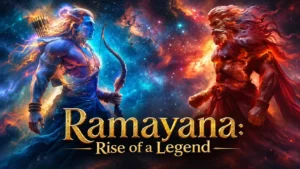
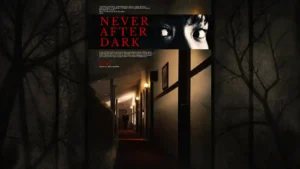
Compare Never After Dark vs Ramayana: Rise of a Legend

Never After Dark

Never After Dark

Overall score 4.3 / 5

Based on 31 scored reviews

vs
Ramayana: Rise of a Legend

Ramayana: Rise of a Legend

Overall score 3.8 / 5

Based on 15 scored reviews

How we score

Scorata scores summarize analyzed review evidence on a 1–5 scale; they are not laboratory measurements or a simple average of customer star ratings. Feature scores summarize the reviews covering that feature. The overall score averages feature scores within each review, then combines review averages. When both expert and customer evidence are available, those two groups receive equal weight. Products can have different review coverage, so small score gaps do not establish a winner.

Recommendations prioritize important features for the category, with a score of at least 3.5, a gap of at least 0.25 points and at least two supporting reviews per product. Features with widely varying scores or broad connectivity contexts are excluded from recommendations. These safeguards do not establish statistical significance.

Quick verdict

What each product is best for

The available evidence supports the recommendation below, but does not establish an overall winner. Check the remaining features against your priorities.

Choose Never After Dark for editing quality and creature design.

There is not enough comparable review evidence to recommend Ramayana: Rise of a Legend over the other product.

Why these recommendations?

Never After Dark

Where It Has the Edge

  • editing quality is 4.5 vs 1.3. Editing receives praise for purposeful staging and for keeping the storytelling free of dead spots. Its construction helps...
  • creature design is 4.4 vs 2.2. The Gaping Mouth Man is widely found unsettling, with his damaged face and repetitive behavior doing much of...
  • dialogue quality is 3.5 vs 1.5. A deceptively simple early line rewards attention, and collaborative revisions aim for authentic speech. Some exposition nevertheless feels...

Ramayana: Rise of a Legend

Where It Has the Edge

No clear scored advantage over the other product.

Never After Dark 4.3 overall score
Ramayana: Rise of a Legend 3.8 overall score

Compare features

Scores are out of 5. Missing scores mean missing review evidence, not a missing feature.

Scored on both products

Other features

Editing quality
Never After Dark
4.5

Editing receives praise for purposeful staging and for keeping the storytelling free of dead spots. Its construction helps make the later shifts in danger legible.

Ramayana: Rise of a Legend
1.3

Frantic cutting and overediting are recurring complaints. They disrupt spatial clarity and stop action or dance sequences from settling into an effective rhythm.

Writing quality
Never After Dark
3.9

The strongest reactions admire the economical setup, ritual logic, and surprising turns. Reservations center on convoluted late ideas, thin characterization, and backstory that does not fully pay off.

Ramayana: Rise of a Legend
1.9

The screenplay covers a great deal of material and occasionally finds personality in the adaptation. Its repeated exposition, rigid moral framing and thinly developed leads attract substantial criticism.

Dialogue quality
Never After Dark
3.5

A deceptively simple early line rewards attention, and collaborative revisions aim for authentic speech. Some exposition nevertheless feels forced.

Ramayana: Rise of a Legend
1.5

Clunky English lines and relentless explanatory speeches weigh down the dialogue. The strongest criticism targets a tendency to announce ideas instead of dramatizing them.

Character development
Never After Dark
3.9

Airi’s weary professional confidence and isolation make her an engaging protagonist. Other reactions find the supporting characters and family backstory too thin to support the emotional ambitions.

Ramayana: Rise of a Legend
2.3

Ravana’s conflicting motives provide the richest characterization. The leads are often judged too idealized or underdeveloped to make their turning points fully involving.

Ending satisfaction
Never After Dark
3.7

The finale divides opinion: many find its violent turn inventive, earned, and worth the wait. Others say it becomes conventional, convoluted, or less frightening than the setup promised.

Ramayana: Rise of a Legend
2.1

The part-one cutoff is a recurring limitation. It leaves the central confrontation unresolved, with some viewers frustrated that the story stops just as its main conflict begins.

Drama quality
Never After Dark
4.5

The patient buildup is praised for dramatic nuance beneath its ghost-story surface. The third act is seen as rewarding that earlier character-focused work.

Ramayana: Rise of a Legend
3.0

The drama can feel tender, life-affirming and full of family devotion. A strongly opposing assessment finds it inert beneath the spectacle.

Pacing
Never After Dark
3.7

A deliberate first half builds visual dread and makes the payoff land for patient viewers. The same approach can drag, and some find the shift into the finale abruptly handled.

Ramayana: Rise of a Legend
2.3

Pacing is a persistent point of disagreement: one viewer finds the long English cut flies by, while many others describe prolonged setup, rushed climaxes or stretches that drag.

Realism
Never After Dark
4.4

The invented supernatural world feels believable through tactile effects and a protagonist who treats it as ordinary work. The grounding makes later danger more persuasive.

Ramayana: Rise of a Legend
3.1

The fantasy feels physically convincing to some viewers, who appreciate its natural-seeming weight. Others see synthetic environments and battles without tangible impact.

Humor
Never After Dark
4.3

Dry sisterly banter and Airi’s off-duty habits add welcome humor. These lighter moments generally preserve the surrounding dread.

Ramayana: Rise of a Legend
3.0

Lakshmana’s lighter moments charm some viewers. Another assessment hears repeated quips falling into awkward silence, so the humor is far from universally effective.

Dance choreography
Never After Dark
5.0

Airi’s drunken dance is singled out as a standout moment. Its loose movement gives the working medium an unusually human, off-duty dimension.

Ramayana: Rise of a Legend
3.8

Ravana’s worship dance earns praise for choreography and audience impact. A contrasting assessment finds that overediting and airless staging undermine the dance work’s potential.

Cinematography
Never After Dark
4.6

Patient camera movements, carefully arranged reflections, and evocative lighting turn ordinary rooms into sources of pressure. The framing keeps the hotel visually fresh even as the story repeatedly returns to the same spaces.

Ramayana: Rise of a Legend
3.6

Bright colors, sweeping camera moves and sunset skies can make the world look magnificent. Harsher assessments find flat framing and frantic compositions that fail to connect.

Cast chemistry
Never After Dark
4.3

The sisters’ teasing, protective rapport feels convincingly lived in. Their warmth survives the supernatural premise without turning Miku into a cute novelty.

Ramayana: Rise of a Legend
3.4

The couple’s chemistry is warmly celebrated in several enthusiastic assessments. Other responses find little spark between them, making their relationship a significant point of disagreement.

Directing quality
Never After Dark
4.5

Boyle’s controlled framing and gradual escalation are central strengths. The strongest reactions admire his ability to refresh familiar horror patterns, though some find his narrative shortcuts or late developments less convincing.

Ramayana: Rise of a Legend
3.7

The direction earns praise for ambitious staging and visually striking battles. Others see airless scenes, messy composition and too little space for human drama.

Emotional impact
Never After Dark
4.0

The sisters’ bond and Airi’s isolation give the horror a poignant human center. Some reactions find that emotional depth insufficiently developed for the ambiguous conclusion.

Ramayana: Rise of a Legend
3.2

Exile, devotion and the late bird battle move some viewers deeply. Others find the same major events emotionally thin because the characters have too little quiet time to develop.

Runtime
Never After Dark
2.3

The length draws criticism when familiar plotting makes the wait feel extended. One assessment also finds the long buildup and abrupt final movement poorly balanced.

Ramayana: Rise of a Legend
3.0

The long duration feels absorbing and fast-moving to some viewers. Others find the packed narrative laborious or sleepily plotted, especially in a single sitting.

Family dynamics
Never After Dark
4.3

The living and dead sisters’ relationship supplies humor, sadness, and protective affection. Their restrained backstory gives the haunting a personal dimension.

Ramayana: Rise of a Legend
5.0

Familial and marital devotion are celebrated as sources of warmth, giving the huge adventure a tender, life-affirming dimension.

Cultural representation
Never After Dark
4.3

The film combines Japanese cultural texture with Western horror influences. Its invented rituals feel coherent while preserving a distinctive sense of place.

Ramayana: Rise of a Legend
5.0

The film’s Indian cultural perspective is praised for provoking curiosity and appreciation. An unfamiliar viewer values the chance to explore a different set of stories and beliefs.

Romance quality
Never After Dark
2.5

Gunji’s restrained flirtation is seen as an undeveloped thread. It contributes little to the story’s fuller possibilities.

Ramayana: Rise of a Legend
3.2

The central romance produces moving wedding moments and warm devotion for some viewers. Others want more courtship and interaction, or find that the couple never develops a convincing spark.

Genre satisfaction
Never After Dark
4.4

The film offers a patient J-horror foundation that develops into a more physical thriller. Many appreciate the reinvention of familiar conventions, while a few find the result too generic to stand out.

Ramayana: Rise of a Legend
5.0

A quoted early audience reaction enthusiastically endorses the fantasy execution, preferring it to the experience offered by Nolan’s The Odyssey.

Originality
Never After Dark
4.1

Unexpected revelations and a change in the source of danger are major attractions. Their effectiveness is disputed, with criticism of predictable middle stretches and arbitrary late twists.

Ramayana: Rise of a Legend
3.5

Bringing this cultural world to blockbuster scale feels refreshing to one viewer. Another finds the adaptation too general in its approach to establish a memorable voice of its own.

Story quality
Never After Dark
4.4

The medium’s procedural work becomes an absorbing ghost story with an unusual threat. Most reactions value its careful unfolding, while the less enthusiastic find its simplicity restrictive.

Ramayana: Rise of a Legend
3.9

The mythic journey can feel rousing and engrossing, particularly in its strongest early passages. Dense setup, weaker later momentum and limited individual perspective prevent a consistent endorsement.

Creative collaboration
Never After Dark
4.5

Careful dialogue revision, costume adjustments, and research into spiritual traditions reflect a collaborative production. The attention to small details helps give the invented world a sense of authenticity.

Ramayana: Rise of a Legend
5.0

The collaboration between South Asian and Hollywood creative teams is praised for paying off, particularly in the film’s musical and visual ambition.

Theme depth
Never After Dark
3.6

The relationship between death, time, grief, and real-world violence gives the story depth for some viewers. Others find these ideas underexplored or less absorbing than the film’s atmosphere.

Ramayana: Rise of a Legend
3.1

Themes of moral balance, courage and duty can inspire reflection. Criticism centers on a simplistic good-versus-evil framework and too little room for genuine moral inquiry.

Plot clarity
Never After Dark
3.5

Clear ritual rules and visual distinctions between realms help orient the audience. The time-related developments and later supernatural explanations still leave some viewers confused.

Ramayana: Rise of a Legend
3.3

Some viewers find the expansive story surprisingly easy to follow. Others struggle with dense world building, rapid exposition.

Scares
Never After Dark
4.3

Careful framing, unnerving sounds, and a grotesque apparition generate genuine fear for many. Others find the film more gruesome than scary or short on shocks strong enough to offset its weaknesses.

Ramayana: Rise of a Legend
4.5

The giant-demon battles are praised for being scary and pulse-pounding. Their frightening energy is treated as an enjoyable part of the spectacle.

Atmosphere
Never After Dark
4.6

Wooden corridors, reflective surfaces, and an isolated hotel create persistent unease. Even less enthusiastic assessments regard the eerie atmosphere as one of the film’s clearest strengths.

Ramayana: Rise of a Legend
4.5

The atmosphere is warmly praised as part of a well-realized world, helping an unfamiliar viewer stay immersed.

Score quality
Never After Dark
4.5

Snipes’ music is repeatedly praised for eerie texture and well-judged restraint. Chimes, vocals, and unusual tones blend with the building’s noises to increase pressure.

Ramayana: Rise of a Legend
4.6

The orchestral and Indian musical elements are widely praised for adding majesty, emotion and force to the battles. One mixed assessment finds that even booming compositions cannot give poorly paced scenes their missing rhythm.

Special effects quality
Never After Dark
4.5

The effects are admired for tangible reflections, physical apparitions, and convincing supernatural transitions. Practical techniques give the haunting a stronger sense of reality.

Ramayana: Rise of a Legend
4.5

The effects can be a major attraction, particularly in smaller scenes that feel more convincing. Positive assessments praise the spectacle and its blend with practical stunt work.

Comfort and build

Creature design
Never After Dark
4.4

The Gaping Mouth Man is widely found unsettling, with his damaged face and repetitive behavior doing much of the work. His appearance remains effective without becoming a constant barrage of effects.

Ramayana: Rise of a Legend
2.2

Creature execution attracts criticism for rubbery, unconvincing designs and uneven integration with human performers. These weaknesses can diminish otherwise ambitious battle scenes.

Visual style
Never After Dark
4.7

Analog textures, mirrors, cool spirit-world colors, and precise compositions give the hotel a distinctive look. The visual style is one of the most consistently admired aspects.

Ramayana: Rise of a Legend
3.6

Vibrant imagery and a lavish fantasy canvas delight some viewers. Others experience the same visual approach as synthetic, overbearing and lacking a coherent style.

World-building
Never After Dark
4.4

The candle, hair, and spinning mirror ritual establishes a coherent supernatural system. Clear rules and tactile tools make the invented belief structure feel lived in.

Ramayana: Rise of a Legend
4.0

The world can feel magical and enveloping, with enough detail to pull viewers into an unfamiliar mythic setting. One severe critique finds the environments synthetic and unable to suggest life beyond the frame.

Production design
Never After Dark
4.6

The secluded hotel’s dark wood, long corridors, and distinctive ritual tools support both atmosphere and character. Its rooms remain evocative through repeated visits.

Ramayana: Rise of a Legend
4.5

Palace sets and a richly imagined world are praised for their visual splendor. The production design offers pleasures even in some otherwise mixed assessments.

Costume design
Never After Dark
4.5

The costumes add cultural specificity and are carefully fitted to the lead. Their refinement is tempered by efforts to give Airi a more worn, everyday appearance.

Ramayana: Rise of a Legend
4.5

Costumes are a dependable visual attraction, contributing to the film’s grandeur. One viewer also appreciates how the outfits distinguish the characters’ personalities and presence.

Performance

Lead performance
Never After Dark
4.6

Hoshi’s calm, prickly medium is a recurring highlight. Her restrained physical reactions make the eventual cracks in Airi’s confidence especially compelling.

Ramayana: Rise of a Legend
3.9

Kapoor’s calm, restrained Rama draws both exceptional praise and strong criticism. Admirers see majesty and grace; detractors find solemnity without enough emotional life.

Acting performance
Never After Dark
4.4

The cast repeatedly earns praise for convincing, unsettling performances, especially the two sisters and the threatening visitor. A dissenting view finds several performances too somber to generate much empathy or fear.

Ramayana: Rise of a Legend
4.1

The cast draws broad praise in several assessments, especially for its presence and action work. A dissenting response finds the performances expressionless and one-note.

Supporting cast performance
Never After Dark
4.6

The supporting ensemble is often praised for memorable, convincing presence. Yoshioka’s physical menace and the sisters’ relationship stand out, though thin roles limit some performances.

Ramayana: Rise of a Legend
4.6

Supporting turns, especially Lakshmana’s warmth and wit, earn enthusiastic praise. The cast around the principal couple often adds personality and emotional color.

Ownership and support

Entertainment value
Never After Dark
4.4

Most reactions find the ghost story absorbing and worthwhile, with some expressing outright delight. A minority regards it as serviceable entertainment surpassed by other supernatural films.

Ramayana: Rise of a Legend
4.0

Enjoyment ranges from a thrilling, immersive ride to an exhausting spectacle. Admirers are swept along by the action, while detractors find the experience hollow or tiring.

Evidence available for one product

Other features

3D presentation
Never After DarkNo score yet
Ramayana: Rise of a Legend
4.3

The 3D presentation receives several strong endorsements for enhancing the spectacle. One viewer still enjoys it but reports a headache and finds that the film works without the glasses.

Action sequence quality
Never After DarkNo score yet
Ramayana: Rise of a Legend
4.0

The battles offer colossal, imaginative highlights that thrill admirers. Negative assessments find them weightless or overedited, though even a mixed response singles out the late aerial clash.

AI-assisted production
Never After DarkNo score yet
Ramayana: Rise of a Legend
2.8

The AI lip matching in the English version inspires unusually polarized reactions. Some praise seamless immersion, while others find the altered mouths distracting, uncanny or emotionally sterile.

Casting quality
Never After Dark
4.8

The small ensemble is often described as exceptionally well chosen. Its convincing sisters, elegant hotel owner, and sinister antagonist make the compact setting feel populated by distinct personalities.

Ramayana: Rise of a LegendNo score yet
CGI quality
Never After DarkNo score yet
Ramayana: Rise of a Legend
3.0

CGI is one of the most divisive elements: some see world-class spectacle, while others describe rubbery creatures, weightless battles and dated game-like imagery. Several positive responses still identify isolated weak effects.

End-credit scenes
Never After DarkNo score yet
Ramayana: Rise of a Legend
4.0

The post-credit scene is described as an exciting tease, especially for viewers already familiar with the legend.

English dubbing
Never After DarkNo score yet
Ramayana: Rise of a Legend
3.2

The English version preserves the experience for some viewers and receives praise for its synchronization. Others prefer subtitles because clunky dialogue and digitally altered mouths weaken the performances and drama.

Faithfulness to source material
Never After DarkNo score yet
Ramayana: Rise of a Legend
3.5

The adaptation is admired for treating its sacred source seriously, with some viewers welcoming its reinterpretations. A sharply negative assessment argues that the execution drains the original story of wonder.

Gender and sexism portrayal
Never After DarkNo score yet
Ramayana: Rise of a Legend
4.5

The adaptation’s emphasis on mothers is praised as meaningful and respectful, bringing their influence on the story into focus.

Lighting quality
Never After DarkNo score yet
Ramayana: Rise of a Legend
1.5

Flat lighting is a specific visual complaint, contributing to an image that lacks texture and depth.

Makeup quality
Never After Dark
4.5

The apparition’s grotesque practical makeup is praised for fitting its disturbing presence. The damaged face gives the haunting an immediately physical quality.

Ramayana: Rise of a LegendNo score yet
Memorability
Never After DarkNo score yet
Ramayana: Rise of a Legend
2.5

A lack of distinctive interpretive voice limits how memorable the film feels on its own terms, despite its exceptional scale.

Message quality
Never After DarkNo score yet
Ramayana: Rise of a Legend
3.4

Messages about duty, balance and compassion resonate strongly with sympathetic viewers. Detractors find the same lessons repetitive, prescriptive and closer to lectures than drama.

Mystery quality
Never After Dark
4.3

The ritual investigation and strange clues sustain an intriguing supernatural puzzle. Several assessments love its revelations, while others say the final act loosens the mystery’s grip.

Ramayana: Rise of a LegendNo score yet
Narrative repetition
Never After DarkNo score yet
Ramayana: Rise of a Legend
1.5

Repeated explanations of duty, motivations and plot developments are criticized as tiresome. The screenplay often reinforces its themes after their meaning is already clear.

Narrative structure
Never After DarkNo score yet
Ramayana: Rise of a Legend
2.1

The hero and villain spend much of the film in separate narrative tracks. Packed setup and an ending near the start of the main conflict can make this feel more like preparation than a satisfying complete arc.

Portrayal of women
Never After DarkNo score yet
Ramayana: Rise of a Legend
3.8

Sita’s dignity, intelligence and fighting ability are welcome strengths for admirers. A critical assessment finds her flashes of autonomy too quickly curtailed by a conventional damsel role.

Practical effects quality
Never After Dark
4.5

Mirror tricks, physical props, tangible ghosts, and in-camera transitions receive repeated praise. Their handmade quality makes the supernatural feel present within the rooms.

Ramayana: Rise of a LegendNo score yet
Religious messaging
Never After DarkNo score yet
Ramayana: Rise of a Legend
3.3

Spiritual significance is a major attraction for admirers of this interpretation. Other assessments criticize repeated invocations of duty and reliance on reverence to compensate for dramatic shortcomings.

Sense of scale
Never After DarkNo score yet
Ramayana: Rise of a Legend
4.8

Enormous battles, mythic landscapes and operatic stakes give the film an unmistakably vast canvas. Even several qualified assessments admire its ambition and scope.

Stunt choreography
Never After DarkNo score yet
Ramayana: Rise of a Legend
4.5

Impressive stunt work helps the action engage on a visceral level, complementing the film’s large digital spectacle.

Suspense
Never After Dark
4.4

Dread accumulates through patient shots, uncertain reflections, and Airi’s gradual loss of control. Some reactions feel the late shift disperses the tension the hotel initially creates.

Ramayana: Rise of a LegendNo score yet
Tonal consistency
Never After Dark
4.0

The contrast between Airi’s casual routine and the surrounding horror gives the film an unusual rhythm. Many enjoy the later genre transformation, though one assessment finds the prolonged-to-abrupt transition incoherent.

Ramayana: Rise of a LegendNo score yet
Villain quality
Never After DarkNo score yet
Ramayana: Rise of a Legend
4.8

Ravana is the most consistently admired character, combining menace, charisma and internal conflict. His magnetic presence often makes the villain more involving than the ostensibly heroic lead.

Violence level
Never After Dark
4.3

Several reactions approve of the restrained buildup and the force of the eventual brutality. The painful tooth-pulling scene is valued for its dramatic effect rather than the quantity of gore.

Ramayana: Rise of a LegendNo score yet
Vocal characterization
Never After DarkNo score yet
Ramayana: Rise of a Legend
2.0

Some English voice delivery is criticized as whiny and contemporary in a way that strips the dialogue-heavy drama of grandeur.

Controls and connectivity

Audience appeal
Never After Dark
4.5

An energetic finale and accessible genre pleasures give the film crowd appeal. Enthusiastic reactions see the ensemble and haunting mood as strong reasons it deserves a wider audience.

Ramayana: Rise of a LegendNo score yet
Character appeal
Never After DarkNo score yet
Ramayana: Rise of a Legend
3.0

Character appeal varies sharply: Lakshmana is celebrated as lovable in one assessment, while another finds Rama too boring to support emotionally.

Comfort and build

Character design
Never After DarkNo score yet
Ramayana: Rise of a Legend
4.2

Reimagining Ravana’s ten heads as conflicting versions or voices within his mind is an arresting visual and dramatic idea. It stands out even in a strongly negative assessment.

Sound design
Never After Dark
4.5

Telephone static, clocks, creaking wood, and subtle room noises make the hotel feel occupied. The soundscape creates unease before the source of danger becomes clear.

Ramayana: Rise of a LegendNo score yet

Performance

Marketing accuracy
Never After DarkNo score yet
Ramayana: Rise of a Legend
1.5

Replacing the part-one subtitle with Rise of a Legend is criticized for suggesting a complete story when the central journey remains unfinished.

Monster visibility
Never After Dark
4.3

The ghost is used sparingly and revealed with care. Holding back full appearances makes it feel like an unsettling presence rather than a routine delivery system for jolts.

Ramayana: Rise of a LegendNo score yet
Soundtrack quality
Never After Dark
4.0

Music contributes an eerie atmosphere while Airi’s listening and dancing add off-duty energy. The lighter musical interlude retains the surrounding dread.

Ramayana: Rise of a LegendNo score yet

Ownership and support

Production value
Never After DarkNo score yet
Ramayana: Rise of a Legend
5.0

The production’s ambition is visible in its lavish realization and extensive effects work. Positive assessments credit the team with putting its resources on screen.

Other Top Movies to Consider

#1 You Can See Everything
4.7

Choose this inventive, unsettling documentary for fearless questioning, dark humor, and unpredictable storytelling. Skip it if you want a short, straightforward exposé with definitive answers.

Pros: originality, humor

#2 Possible Love
4.7

Extraordinary performances and richly observed relationships make this a rewarding, emotionally forceful drama. Its nearly three-hour length and slow opening demand patience and undivided attention.

Pros: class commentary, character development

#3 Chronovisor
4.7

Best for a hypnotic, bookish mystery with tactile visuals and cerebral chills. Skip it if reading-heavy, attention-demanding storytelling sounds more exhausting than exciting.

Pros: Atmosphere, cinematography

Cons: audience appeal

#4 Remake
4.6

Best for an intimate, searching documentary that rewards focused attention and invites discussion. Skip it when devastating grief, addiction footage, and unresolved family tensions would be too much.

Pros: emotional impact, theme depth