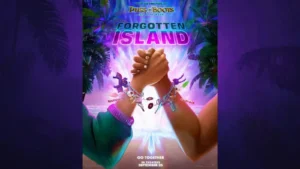
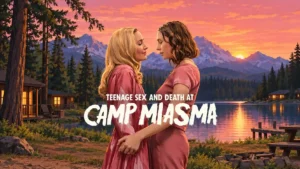
Forgotten Island
Where It Has the Edge
No clear scored advantage over the other product.

Scorata scores summarize analyzed review evidence on a 1–5 scale; they are not laboratory measurements or a simple average of customer star ratings. Feature scores summarize the reviews covering that feature. The overall score averages feature scores within each review, then combines review averages. When both expert and customer evidence are available, those two groups receive equal weight. Products can have different review coverage, so small score gaps do not establish a winner.
Recommendations prioritize important features for the category, with a score of at least 3.5, a gap of at least 0.25 points and at least two supporting reviews per product. Features with widely varying scores or broad connectivity contexts are excluded from recommendations. These safeguards do not establish statistical significance.
Quick verdict
The available evidence supports the recommendation below, but does not establish an overall winner. Check the remaining features against your priorities.
There is not enough comparable review evidence to recommend Forgotten Island over the other product.
Choose Teenage Sex and Death at Camp Miasma for emotional impact and directing quality.
No clear scored advantage over the other product.
Scores are out of 5. Missing scores mean missing review evidence, not a missing feature.
Manang and the darker folklore imagery can be genuinely scary, including body-separation imagery and intense chases; some admire that edge while others warn it may overwhelm younger kids.
This is consistently described as a very low-scare horror film. The kills and gore are usually played as camp, memory or comedy rather than sustained dread, which will disappoint viewers seeking real fear.
Jo and Raissa are generally well realized, but many side characters get less room to grow; the crowded creature roster often feels more colorful than fully developed.
Kris’s movement from guarded self-consciousness toward sexual and emotional liberation lands powerfully for many, though some find secondary characters thin or caricatured.
The friendship-and-memory core earns substantial praise for heart and sincerity, but the story loses some clarity and force when too many creatures, detours, and ideas compete for attention.
The story can be heartfelt, sharp and thematically rich, but it is also one of the main sources of division. Some see a brilliant emotional arc; others see references and surrealism overwhelming a coherent narrative.
Most reactions find the finale moving and satisfying, but there is real disagreement over whether its resolution is earned, with some calling the ending rushed or contrived.
The ending is sharply divisive: some find the final plunge into fantasy immersive and liberating, while others see padding, confusion or a late collapse in narrative coherence.
Despite the supernatural setting, the fear of friends growing apart gives the central conflict a grounded emotional reality.
The movie intentionally favors dream logic, painted spaces and emotional truth over literal realism. That abstraction is enchanting for some and distancing for others.
The CGI is a showcase, with richly stylized character work and imagery that stands out even beside recent high-end animated releases.
The intentionally unreal digital blood works for some as part of the film’s fever-dream aesthetic, while others notice the computer-generated gore and prefer the practical work.
The blend of horror, slapstick, sentiment, and manic comedy is bold but uneven; some enjoy the contrast while others find the shifts jarring or exhausting.
The blend of tenderness, camp, gore, satire and dream logic is exhilarating when it clicks, but the violent tonal shifts can also feel unstable or jarring.
The harder PG violence and frightening action give the movie welcome edge for some older viewers, but they make it less comfortable for the youngest audience.
The bloodshed is extravagant, stylized and often comic rather than punishing, which many slasher fans enjoy. A dissenting view finds the violent payoff too limited for the film’s provocative setup.
As a big-screen animated adventure, it delivers the color, action, emotion, humor, and spectacle expected from the format at a very high level.
As a meta-slasher, it earns strong praise for loving the genre without simply mocking it, but it deliberately deprioritizes sustained fear and conventional slasher structure.
Low-angle and wide compositions help the animated world feel larger and more cinematic, adding scale to both the island and its creatures.
Saturated color, tactile lighting, unusual framing and playful camera techniques make the cinematography a standout. The dreamlike camp imagery is repeatedly described as striking and immersive.
The friendship drama lands hard when the movie focuses on the fear of growing apart, giving the fantasy stakes a surprisingly tender emotional center.
The psychosexual drama is dark, delirious and emotionally charged, using the blurred line between reality and fiction to intensify the central relationship.
Music-synchronized cuts and music-video-like passages give the film a rhythmic editing style that suits its restless, mixtape-like energy.
Sharp cuts and inventive transitions give the slasher material extra punch, with the burn-through transition and rapid visual rhythm singled out as especially effective.
The central bond stays focused on platonic friendship rather than romance, a restraint specifically welcomed by a family-focused response.
The film’s frank, horny treatment of sexuality is often praised as joyful, liberating and central to its themes rather than merely provocative. A few viewers find the execution too much or still not satisfying on its own terms.
The script can be genuinely funny and warm, though repeated catchphrases and a few lines land awkwardly enough to keep the dialogue from being uniformly strong.
The dialogue can be intimate, funny and unusually candid about desire, but some lines and thematic explanations feel overly declarative or tacked on.
For many, the friendship-and-memory story builds to a moving or even devastating payoff, though a smaller group feels the frantic structure sometimes blunts that emotional force.
Beneath the camp and gore, the film often lands as heartfelt, vulnerable and moving, particularly in its treatment of shame, desire and self-acceptance. A few find it less affecting than Schoenbrun’s earlier work.
The direction is ambitious and confident in its visual storytelling, though one view finds the emotional material less fully developed than the stylistic fireworks.
Jane Schoenbrun’s direction is widely admired for its distinctive visual imagination, tonal nerve and personal point of view. The main reservation is that the same freedom can become self-indulgent or narratively unruly.
The screenplay is imaginative and often funny, but reactions split over its structure: the emotional ideas are strong while the crowded plotting and rushed connective tissue can weaken them.
The script earns praise for ambitious ideas, wit and emotional candor, but its density can become heavy-handed or self-indulgent. The balance between thesis and story is a major dividing line.
The film’s choice to keep the core relationship centered on friendship rather than forcing in romance is treated as a refreshing creative strength.
The Kris-Billy relationship is widely praised as tender, strange and genuinely sexy, with the actors’ chemistry helping the romance survive the film’s most abstract turns.
The comedy is usually a hit, ranging from slapstick and absurd creature jokes to rapid visual gags, though some find the juvenile or hyperactive material grating.
The campy gore, industry satire and oddball sexual comedy produce frequent laughs for many viewers. The humor is also a taste filter, with some finding it cringey, forced or ineffective.
At roughly two hours, the film can feel longer than its breathless pace suggests, with some wishing the crowded middle had been trimmed.
The length draws some criticism because the film can feel long-winded or padded after its main ideas have landed, particularly around the epilogue and later digressions.
The broad friendship-and-portal framework is familiar, but the memory-loss structure and cultural setting give the plot enough personality to keep it from feeling generic.
One assessment finds the movie so absorbed in homage and reference that it struggles to stand fully on its own story despite its creative flourishes.
The action is fast, kinetic, and visually inventive, giving the island adventure a constant sense of movement without losing its comic energy.
The flamboyant massacre and one-take killing spree are frequent highlights, praised for choreography, editing and sheer slasher exuberance. A few viewers are less engaged by the gore-heavy set pieces.
Filipino culture is woven into the setting, language, food, music, family life, and mythology rather than used as decoration, making the film feel specific and welcoming at the same time.
The queer and trans perspective is treated as a meaningful part of the film’s emotional and genre framework, with its representation praised for creating recognition and connection.
The film goes beyond a simple friendship lesson to explore memory, identity, separation, grief, cultural roots, and the painful but survivable changes that come with growing up.
The film’s deepest strength is its layered exploration of desire, shame, identity, fandom and the complicated pleasure of loving flawed art. Even mixed reactions often engage seriously with those ideas.
Jo and Raissa feel like lifelong friends rather than a scripted pairing, with warm, lived-in chemistry that gives their separation real emotional weight.
Hannah Einbinder and Gillian Anderson’s charged, tender chemistry is one of the most consistent strengths, giving the central relationship warmth even when the story turns surreal.
Pacing is the most repeated weakness: the movie moves at breakneck speed, piles on characters and jokes, and often leaves little breathing room even when that energy is exciting.
The pacing is one of the recurring weaknesses, with complaints about long-winded passages, redundancy and a meandering later stretch. The strongest set pieces still move with considerable energy.
The missing-memory structure is clever but can become difficult to follow as side quests, lore, and rapid exposition accumulate, especially through the middle.
Dream logic and shifting layers of fiction make the story intentionally slippery, but confusion is a repeated complaint. Viewers comfortable with ambiguity fare much better than those wanting a cleanly resolved plot.
Its message about accepting change without erasing the people and memories that shaped you comes through clearly and gives the adventure substance beyond the quest mechanics.
Its ideas about desire, shame, fandom and loving problematic art resonate strongly when the emotional through-line clicks. Detractors find some of the messaging heavy-handed, muddled or overexplained.
The original score is warmly received for supporting both emotion and cultural identity, including the use of Filipino and Indigenous musical textures.
Alex G’s score is repeatedly praised for its dreamy, inspired mood and its ability to keep the surreal slasher world buoyant.
The supernatural animation and creature effects—especially Manang’s movement and transformations—are presented as technically impressive and visually memorable.
The combination of practical and digital effects is praised for serving the film’s deliberately exaggerated slasher aesthetic rather than chasing realism.
The race to preserve the girls’ memories and escape the island creates real tension, particularly once the darker threat closes in.
Tension often comes from anticipation and inevitability rather than traditional jump scares, with the film keeping some viewers on edge even as it undercuts dread with humor.
The soundscape can add real theatrical punch, but one screening found music and effects occasionally loud enough to obscure dialogue.
The heightened, direct sound work is singled out for making otherwise comic or exaggerated moments feel physically unnerving.
Nakali is imaginative and culturally rich, with memorable creatures and environments, though several responses wish the film slowed down enough to explore that world more deeply.
The fake Camp Miasma franchise feels unusually complete thanks to its opening montage, props, sequels, lore and period textures. That invented horror history is repeatedly cited as one of the movie’s most convincing achievements.
Its neon palette, mixed-media flourishes, anime influences, and constantly shifting visual language are among its biggest attractions, even if the intensity occasionally becomes sensory overload.
Candy colors, matte-painted landscapes, stylized gore and dreamlike compositions form the strongest area of agreement. Even negative reactions often concede that the film looks distinctive and beautiful.
Manila and Nakali are both packed with texture, color, and culturally specific detail, with environments that feel designed rather than merely filled.
Painted backdrops, fake franchise memorabilia, camp sets and tactile props create an unusually rich artificial world. The handmade look is repeatedly celebrated as part of the movie’s identity.
Its mix of friendship, comedy, folklore, and vivid animation reaches well beyond small children, with particular appeal for preteens, teens, animation fans, and Filipino audiences.
This is a strongly taste-dependent movie: slasher devotees, queer-horror fans and adventurous cinephiles often embrace it, while viewers wanting conventional scares or straightforward storytelling can bounce off hard.
The supporting voices provide strong comic color, with several side characters becoming scene-stealers even when their narrative roles are thin.
The supporting ensemble supplies memorable comic and horror-flavored cameos, though several assessments note that many smaller roles are intentionally thin or one-note.
The soundtrack is energetic and memorable, mixing Filipino music with ’80s and ’90s pop, though the sheer number of needle drops can sometimes feel overdone.
Needle drops, covers and Alex G’s music are major pleasures, often described as inspired or perfectly chosen. A few choices are considered overly obvious or on-the-nose.
The voice ensemble is a major strength, with energetic, expressive performances that keep the friendship and comedy convincing even when the plot gets busy.
The ensemble is broadly praised as fearless and well matched to the film’s heightened tone. Even mixed assessments tend to single out the acting as a strength.
The two lead voices are consistently praised for making Jo and Raissa likable, distinct, and emotionally credible through both comedy and conflict.
The two leads are the clearest consensus strength: Hannah Einbinder brings nervous vulnerability and comic precision, while Gillian Anderson supplies magnetic, playful glamour.
The dense visual details, fast jokes, and emotional payoff make repeat viewing especially appealing to those who connect with its style.
Its dense references, layered imagery and deliberately unstable reality inspire repeated-viewing interest, with several viewers wanting to revisit it immediately or unpack more on a second pass.
The movie is widely seen as a fun, energetic theatrical ride, especially for viewers who enjoy rapid-fire jokes and visual invention; the same intensity can exhaust others.
Most reactions emphasize how funny, strange and wildly entertaining the movie can be, especially for viewers on its wavelength. A small minority find the experience irritating or exhausting instead.
The PG label comes with real caveats: older kids and teens are a better fit than very young or sensitive viewers because the villain and darker imagery can be intense.
The overall critical response in this set is very enthusiastic, with multiple critics placing it among the year’s strongest animated films despite recurring pacing complaints.
Animation is the clearest consensus strength, blending polished 3D work with anime, manga, and 2D flourishes in a way that feels unusually inventive and alive.
The film reshapes Filipino folklore for its own story while still feeling rooted in recognizable classic traditions rather than stripping them of their darker identity.
There is plenty for families to enjoy, but this is a harder-edged PG than the brightest DreamWorks fare, with frightening monsters, rude humor, mild language, and darker themes.
The central friendship is the film’s emotional anchor: affectionate, messy, believable, and strong enough to carry a story about separation, memory, and growing into different lives.
Language is relatively mild by mainstream standards, but one family-focused response finds even that level unnecessary and distracting.
The practical blood work and tactile effects can be fun and convincing, but the mix with digital gore leaves some wishing the film had leaned more heavily on practical techniques.
One assessment finds the conspicuous candy, fast-food and cereal branding distracting enough to briefly pull attention away from the movie.
Little Death’s vent-headed silhouette is an especially memorable design, and the film’s stylized wardrobe helps sell its handmade, heightened slasher world.
Several reactions argue the trailers undersell the finished film, while a few also push back on superlative marketing claims; overall, the campaign does not fully capture the movie’s strengths.
Value reactions are polarized: enthusiastic viewers call individual scenes worth the price of admission, while a strongly negative take says the experience is not worth paying for.

Choose this inventive, unsettling documentary for fearless questioning, dark humor, and unpredictable storytelling. Skip it if you want a short, straightforward exposé with definitive answers.
Pros: originality, humor

Extraordinary performances and richly observed relationships make this a rewarding, emotionally forceful drama. Its nearly three-hour length and slow opening demand patience and undivided attention.
Pros: class commentary, character development

Best for a hypnotic, bookish mystery with tactile visuals and cerebral chills. Skip it if reading-heavy, attention-demanding storytelling sounds more exhausting than exciting.
Pros: Atmosphere, cinematography
Cons: audience appeal

Best for an intimate, searching documentary that rewards focused attention and invites discussion. Skip it when devastating grief, addiction footage, and unresolved family tensions would be too much.
Pros: emotional impact, theme depth