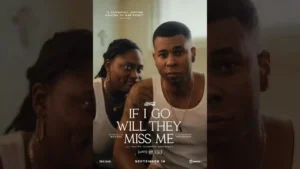

If I Go Will They Miss Me
Where It Has the Edge
- supporting cast performance is 4.8 vs 4.5. Myles Bullock is singled out as scene-stealing, while the nonprofessional ensemble is praised for natural screen presence and...

Scorata scores summarize analyzed review evidence on a 1–5 scale; they are not laboratory measurements or a simple average of customer star ratings. Feature scores summarize the reviews covering that feature. The overall score averages feature scores within each review, then combines review averages. When both expert and customer evidence are available, those two groups receive equal weight. Products can have different review coverage, so small score gaps do not establish a winner.
Recommendations prioritize important features for the category, with a score of at least 3.5, a gap of at least 0.25 points and at least two supporting reviews per product. Features with widely varying scores or broad connectivity contexts are excluded from recommendations. These safeguards do not establish statistical significance.
Quick verdict
The review evidence points to a tradeoff: supporting cast performance versus tonal consistency and theme depth. Choose according to which strengths matter more to you; the overall score alone does not settle that choice.
Choose If I Go Will They Miss Me for supporting cast performance.
Choose Elsinore for tonal consistency and theme depth.
Scores are out of 5. Missing scores mean missing review evidence, not a missing feature.
The 90-minute length is criticized for leaving character perspectives and emotional specificity underdeveloped rather than feeling efficiently concise.
A compact narrative keeps Charleson's final months moving, though its compressed ending may leave viewers wanting longer passages from Hamlet.
Malcolm Parson’s soulful, wistful piano writing is praised for binding the film’s disparate images and ideas together without overpowering them.
Stefan Gregory's music is stirring for some, but its insistent swells and overt emotional cues are among the film's most persistent criticisms.
The editing earns specific praise for nimbly moving into the past, letting memory and present-day disappointment illuminate each other.
Intercutting between Hamlet and hospital scenes can feel inspired and moving, but many critics find the late montages rushed, choppy or manipulative.
One strongly negative assessment finds the coming-of-age fable disappointing because familiar beats and over-explanation replace the freshness promised by its premise.
A deeply felt theatrical drama, especially strong for the acting, but responses diverge on whether its craft matches its ambition.
The imagery is a major highlight: warm neighborhood portraits, expressive compositions, shadow, and indelible tableaux repeatedly carry emotion that the dialogue does not. The visual approach is among the film’s most consistently praised elements.
The National Theatre architecture and intimate close-ups have admirers, while others find the handheld shooting and muted gray imagery drab or distracting.
The script is the film’s most divisive craft element: some see strong writerly instincts, while others find it obvious, underwritten, repetitive, or too eager to explain emotion. The feature expansion adds useful family dynamics but can lose subtlety.
Stephen Beresford's screenplay explores artistic purpose, mortality and the cost of secrecy with feeling. Some find its biopic conventions and on-the-nose dialogue overly calculated.
The realism-fantasy balance works beautifully for some critics, but others find the Greek, aviation, and surreal motifs insufficiently integrated. The film can feel cohesive emotionally even when its metaphors pull in different directions.
Gallows humor and joyous moments offset death and grief for many viewers, while others find abrupt shifts or emphatic climaxes overly engineered.
Walter Thompson-Hernández’s direction is widely admired for visual confidence, empathy, and community intimacy. The main dissent is that his feature can feel derivative, overly aestheticized, or intermittently distancing.
Simon Stone earns praise for making the theater world feel lived-in and emotionally immediate, but his emphatic direction and hurried montages frustrate several critics.
Lozita is allowed moments of humor alongside her firmness, giving the family portrait a little welcome lightness without turning the film into a comedy.
Gallows humor, backstage jokes and affectionate teasing frequently lighten an otherwise devastating account of illness and loss.
The film earns credit for avoiding a standard three-act structure, yet some of its father-son beats are viewed as predictable, familiar, or close to cookie-cutter Sundance storytelling.
Focusing on one extraordinary theatrical opportunity offers a fresh angle on an AIDS-era biography, even if the familiar awards-drama structure strikes some as routine.
The film’s belief in imagination, dignity, and the worth of people too often flattened by outside narratives lands powerfully for most critics. The dissenting view finds the message too explicitly dictated rather than organically felt.
The film argues that art, community and self-determination can give shape to a life even as it ends. Its inspirational impulses are powerful, if occasionally overstated.
Big Ant and Lozita’s relationship feels believable, but its familiarity keeps the dynamic from feeling especially fresh.
The give-and-take between Scott, Piper and Colman creates affectionate relationships; less enthusiastic critics wish the supporting figures had more room.
The film often favors dreamy, lyrical logic over literal explanation. That can be absorbing, but it also leaves parts of the story easier to feel than to explain and potentially difficult for viewers seeking a straightforward narrative.
Some scenes make the real-life journey vivid without overexplaining, but gaps around the National Theatre production and changing timelines leave others disoriented.
Watts is portrayed with warmth, specificity, and dignity rather than as a shorthand for poverty or danger. The film’s affection for Black and multi-racial community life is one of its strongest points of agreement.
Cultural representation earns appreciation for its intimate emotional detail and convincing theatrical world.
The father-son and family story earns substantial praise for tenderness, grace, and emotional complexity, but not unanimous support. Its looser construction and repetitive beats lead some critics to call it unfocused, schematic, or underwritten.
The story of an actor spending his final months chasing a dream has tremendous inherent power, although some find the movie's handling of that material too conventional.
The unresolved, hopeful conclusion is mostly admired for refusing a falsely tidy resolution and embracing life’s incompleteness. One critic still feels the ending stumbles slightly and moves away from the film’s strongest element.
The culminating Hamlet performances and final scenes can be overwhelming in the best way. For others, dense crosscutting and overt sentiment dilute the climax.
The film finds rich material in fatherhood, masculinity, imagination, systemic pressure, community, and the desire to be seen. Most critics find these ideas resonant, though the harshest critique says the film sacrifices subtlety for cheapened catharsis.
The drama thoughtfully links the meaning of a life, artistic legacy, mortality, and public visibility during the AIDS crisis. Its symbolic parallels sometimes feel too obvious.
Responses split sharply: one critic praises the dialogue as rich and believable, while another calls it stilted and harmful to the film’s poetic flow.
The dialogue carries sharp theatrical banter but can also spell out its themes too explicitly, occasionally doing work that the performances have already achieved.
The strongest responses find the family drama moving, graceful, and emotionally substantial, with the coming-of-age material landing as more than a simple father-son conflict.
Drama quality earns appreciation for its intimate emotional detail and convincing theatrical world.
The vignette structure can feel nimble and lyrical, but recurring complaints describe the feature as repetitive, amorphous, meandering, or too willing to let its plot drift.
The film often moves briskly through rehearsals and treatment, but the late-stage rush and repeated montage sequences are a recurring stumbling block.
The family is often praised for empathy, interiority, and lived-in contradictions, especially around Big Ant and Lozita. A few critics find the central relationships too schematic or insufficiently developed within the feature’s structure.
Scott portrays Charleson as witty, proud, difficult and vulnerable instead of an idealized martyr, although some supporting figures remain sketches.
At its best, the film is tender, involving, and capable of tearful emotional peaks. The biggest negative view argues that repetitive, over-explained storytelling weakens the poignancy the material should have.
Charleson's determination and fading health lead to a profoundly emotional experience, often balanced by humor. Some viewers may find the emotional pressure excessively managed.
The poetic visual language is a defining strength, full of striking compositions, surreal flourishes, warm portraits, and memorable community imagery. The main criticism is that repeated motifs and borrowed lyrical techniques sometimes dilute their impact.
The severe gray visual palette and imposing National Theatre setting are purposeful, if sometimes lacking the warmth critics wanted.
The music is praised for a lovely, resonant mix that ranges across styles without losing the film’s wistful mood. Its eclectic choices are attention-grabbing but generally treated as a strength.
Period pop selections and a memorable Ethel Merman number bring flashes of communal joy, even as the heavier orchestral soundtrack divides opinion.
Myles Bullock is singled out as scene-stealing, while the nonprofessional ensemble is praised for natural screen presence and fully inhabited characters.
Olivia Colman, Billie Piper and the wider ensemble are widely admired for their warmth and humanity, though a few critics find supporting characters underwritten or thinly used.
The ensemble is one of the film’s clearest strengths, with repeated praise for emotionally present, authentic work. Even the more mixed critiques tend to separate performance quality from their frustrations with the writing.
The performances, especially Andrew Scott's, give the film much of its force. Even critics who dislike the filmmaking recognize the actors' commitment.
The central performances are repeatedly singled out as exceptional, especially Danielle Brooks and J. Alphonse Nicholson. Their emotional detail often compensates for complaints about exposition or familiar story beats.
Andrew Scott's layered portrayal of Ian Charleson is the film's overwhelming highlight, moving between wry humor, private terror and the demands of Hamlet with extraordinary conviction.
The film’s open-hearted tone can be inviting, but its lyrical, avant-garde approach may make it harder for some viewers to settle into its rhythm.
The central performance has broad appeal beyond theater specialists, although the intense grief and prestige-biopic style won't suit everyone.
The film’s performances and visual beauty keep many critics engaged and even swept up despite its loose structure. Its appeal comes more from atmosphere, feeling, and imagery than conventional narrative momentum.
Andrew Scott's moving performance and unexpectedly lively humor make this an engaging drama for many. Less enthusiastic viewers feel its manipulative presentation undercuts that appeal.
London's 1989 theater and AIDS-era world feels vividly recreated, from backstage routines to the social texture of the community.
The film captures both the fear and stigma of late-1980s AIDS and the humor and care sustaining queer communities. A few critics question whether prestige-drama devices oversimplify the experience.
The animated notebook sketches draw one sharp complaint, with the effect described as chintzy and disruptive beside the film’s stronger formal choices.
Rehearsals, backstage friendships and the rhythms of a working theater are among the most persuasive parts of the film. Some wish it spent more time on the uninterrupted craft of performance.
The theater's intimidating Brutalist spaces and the intimacy of rehearsals make the setting evocative, though the film's sober visual palette is divisive.
Focusing on Charleson's last months brings his determination and relationships into sharp focus, rather than attempting a cradle-to-grave account.
Charleson's contradictory personality and final months make an intimate portrait, though a few viewers want more of his earlier life and deeper explanations of his ambitions.
The ensemble mixes established British performers with sharply chosen smaller roles, helping the theater community feel like a cohesive circle.
Expanding the short gives Lozita and the family more room, but one critic feels the feature loses some of the original’s freer, less narrative-bound quality.
Charleson's closest relationships convey warmth and shared vulnerability, and affection between friends gives the illness narrative a human center.
Friendships and family bonds offer support and emotional stakes, particularly as the central character grows weaker.
The story offers a moving sense of closure, though one notable reconciliation is a dramatic invention rather than an account of what happened.
The film combines intimate biography, theater performance and historical AIDS drama in ways that can heighten its impact, especially for viewers drawn to artistic stories.
The story places Charleson's achievements within the historical fear, medical uncertainty and societal stigma of the AIDS epidemic.
Warmth, gallows humor and tensions over coming out help make its depiction of queer life specific rather than generic.
Shakespeare's soliloquies echo Charleson's fight to keep creating, giving the theater scenes a resonance beyond literary quotation.
Scott's portrait of an actor's final triumph is difficult to forget, even when the surrounding biopic proves less distinctive.
Life and stage performance are woven together in an ambitious structure, but abrupt temporal leaps and repeated montages can obscure rather than clarify.
The strongest realism comes from the film’s honest, non-condescending view of family and neighborhood life. Even with surreal flourishes, critics often feel the people and environment remain grounded and emotionally credible.
The parents’ early courtship is described as organic, adding tenderness and history to a marriage that is much more strained in the present.
Some appreciate the film's willingness to embrace big feelings, while others find its swelling music and orchestrated tears blunt the more truthful moments.
Hamlet's questions about death, memory and purpose resonate against Charleson's final performances, though some find the parallels pushed too emphatically.
Symbolism earns appreciation for its intimate emotional detail and convincing theatrical world.
Charleson's wit, charisma, prickliness and vulnerability make him compelling company instead of a one-note symbol of tragedy.
Big Ant’s wardrobe is used thematically, with clothing choices tracking whether he is leaning toward tenderness, darkness, or the visual memory of incarceration.
The National Theatre emerges as a place of awe and belonging, supported by convincing interiors and period atmosphere; some find sets outside the playhouse less vivid.
The recurring aircraft roar is used as more than background noise, turning an oppressive part of the neighborhood soundscape into a sign of possibility through Lil Ant’s perspective.
Nickerson Gardens and the surrounding Watts community feel lived-in, loving, and socially textured rather than merely used as backdrop. The neighborhood itself becomes a vivid emotional environment for Lil Ant’s imagination and family life.
Hamlet rehearsals and stage scenes are a major attraction for theater lovers, though some wish the film would linger longer on complete performances.
Production value earns appreciation for its intimate emotional detail and convincing theatrical world.

Choose this inventive, unsettling documentary for fearless questioning, dark humor, and unpredictable storytelling. Skip it if you want a short, straightforward exposé with definitive answers.
Pros: originality, humor
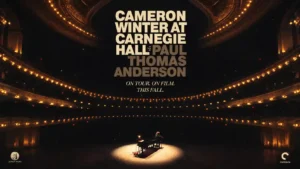
A singular voice, powerful piano playing and intimate film photography make this concert absorbing for receptive listeners. Its uninterrupted, often similar-sounding songs and lack of background context are an acquired...
Pros: directing quality, cinematography
Cons: pacing, Song variety

Extraordinary performances and richly observed relationships make this a rewarding, emotionally forceful drama. Its nearly three-hour length and slow opening demand patience and undivided attention.
Pros: class commentary, character development

Best for a hypnotic, bookish mystery with tactile visuals and cerebral chills. Skip it if reading-heavy, attention-demanding storytelling sounds more exhausting than exciting.
Pros: Atmosphere, cinematography
Cons: audience appeal