Scorata scores summarize analyzed review evidence on a 1–5 scale; they are not laboratory measurements or a simple average of customer star ratings. Feature scores summarize the reviews covering that feature. The overall score averages feature scores within each review, then combines review averages. When both expert and customer evidence are available, those two groups receive equal weight. Products can have different review coverage, so small score gaps do not establish a winner.
Recommendations prioritize important features for the category, with a score of at least 3.5, a gap of at least 0.25 points and at least two supporting reviews per product. Features with widely varying scores or broad connectivity contexts are excluded from recommendations. These safeguards do not establish statistical significance.
Quick verdict
What each product is best for
The review evidence points to a tradeoff: lead performance and audience appeal versus acting performance. Choose according to which strengths matter more to you; the overall score alone does not settle that choice.
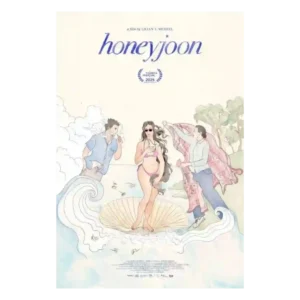
Choose Honeyjoon for lead performance and audience appeal.
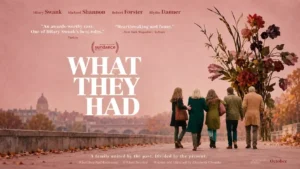
Choose What They Had for acting performance.
Why these recommendations?
Honeyjoon
Where It Has the Edge
lead performance is 4.9 vs 4.2. The two leads carry the film with performances repeatedly described as heartfelt, perfectly cast, and emotionally attuned. Their...
audience appeal is 4.8 vs 4.2. The film has demonstrated strong festival appeal, and one critic argues it deserves a much wider audience. Its...
realism is 5.0 vs 4.5. Reviewers value the lived-in arguments, understated revelations, and smartphone footage for making the relationship and vacation feel authentic...
What They Had
Where It Has the Edge
acting performance is 4.8 vs 4.5. The ensemble is the most reliable strength, turning strained family arguments into vivid, often moving scenes. Even skeptical...
Honeyjoon4.2 overall score
What They Had4.0 overall score
Compare features
Scores are out of 5. Missing scores mean missing review evidence, not a missing feature.
Scored on both products
Other features
Editing quality
Honeyjoon
5.0
One review singles out the cross-cutting between mother and daughter as the film’s most powerful sequence, using separation to show them exchanging approaches to grief.
What They Had
2.0
Skipping the process behind the final reconciliations makes the third act feel discordant. Brief glimpses of settled outcomes weaken the earlier patient observation.
Ending satisfaction
Honeyjoon
4.8
The closing movement is generally satisfying, with the leads reaching a subtler, more comfortable place rather than undergoing a simplistic transformation.
What They Had
2.7
The ending is the clearest fault line: restrained reconciliation moves some viewers, while others object to tidy closure, drawn-out farewells and blunt symbolism.
Romance quality
Honeyjoon
2.0
The romantic and sexual thread adds sensual energy, but one critic finds the cautious framing unable to generate enough excitement between June and João.
What They Had
3.8
The older couple’s enduring attachment supplies some of the most gently moving moments. Bridget’s flirtation divides opinion and can distract from the central caregiving crisis.
Score quality
Honeyjoon
4.5
The synth score is praised for fitting the lighthearted, feel-good atmosphere and supporting a sequence of sexual tension.
What They Had
3.0
The musical score receives a modest assessment rather than standing out beside the performances and photography.
Genre satisfaction
Honeyjoon
3.6
As a grief dramedy with flirtation, politics, and family comedy, the film is appealing but divisive. Several reviewers praise the blend, while others find the genre mix tonally confused or insufficiently developed.
What They Had
5.0
For viewers seeking an emotional family drama, the blend of sadness, tenderness and comedy is especially satisfying.
Runtime
Honeyjoon
3.5
The 70–80 minute length is both a strength and a limitation. It keeps the film compact and prevents overstaying, but several reviewers wish it had more room for backstory and political themes.
What They Had
4.5
The film’s length feels well judged in the account that discusses runtime, avoiding the drag often associated with character dramas.
Originality
Honeyjoon
3.1
The film avoids obvious raunch-com mechanics and big manufactured reversals, which gives its small-scale grief story distinction. Another critic still considers the broader diaspora setup conventional.
What They Had
2.1
The dysfunctional-family setup and familiar narrative beats invite repeated complaints about cliché. Strong acting helps, but does not make the plotting surprising.
Writing quality
Honeyjoon
4.4
The screenplay is often praised for balancing humor, pathos, and precise character detail. Its recurring weakness is overambition: some reviewers find the themes heavy-handed, jokes under-supported, or storylines insufficiently developed.
What They Had
3.7
The writing can be observant, witty and emotionally precise about family obligation. Critics also flag banal dialogue, distracting side stories and overly convenient resolutions.
Cultural representation
Honeyjoon
3.8
The Iranian diaspora and Woman, Life, Freedom material divides reviewers. Some find it layered, illuminating, and naturally integrated, while others call it shoehorned, underbaked, or performative.
What They Had
4.5
Chicago feels specific and inhabited rather than generic, with local atmosphere helping ground the family’s troubles.
Message quality
Honeyjoon
4.7
The film’s central message is compassionate: grief has no single path, joy can coexist with loss, and healing means moving forward while carrying the absent person with you. Its political message is more contested.
What They Had
4.1
Letting go, caring for one another and acting on hard-earned lessons give the film a compassionate takeaway. One critical response finds few useful insights or believable answers beneath its sincerity.
Story quality
Honeyjoon
4.1
The story earns considerable praise as an intimate, compassionate account of grief and a difficult mother-daughter bond. Negative reviews find it too slight, overstuffed, or emotionally withdrawn.
What They Had
3.4
The caregiving dispute creates a compelling center, but the surrounding marital and college subplots divide viewers. Some welcome the broader family portrait; others feel it crowds out dementia or resolves too easily.
Realism
Honeyjoon
5.0
Reviewers value the lived-in arguments, understated revelations, and smartphone footage for making the relationship and vacation feel authentic rather than mechanically plotted.
What They Had
4.5
Caregiving disputes, sibling resentment and moments of recognition often feel painfully true to life. Some question the family’s credibility or the softened picture of dementia.
Theme depth
Honeyjoon
3.7
The film’s treatment of grief, identity, happiness, freedom, and diaspora can feel rich and humane. The main disagreement is whether those ideas are subtly layered or only surface-level and underdeveloped.
What They Had
3.2
The film explores commitment, family roles and the burden of dementia care. Its breadth can enrich the portrait, but can also dilute the central issue or leave hard questions unanswered.
Pacing
Honeyjoon
4.3
The meditative pace and brief runtime often feel patient, brisk, and appropriate to the intimate story. A negative review instead experiences long emotional plateaus.
What They Had
3.8
Many find the story absorbing even through repeated family arguments, with welcome breathing room. Others object to meandering subplots or an overextended ending.
Dialogue quality
Honeyjoon
3.5
The dialogue is praised at its best for naturalistic bickering and culturally specific behavior. A more negative review finds some exchanges stiff and written mainly to deliver exposition.
What They Had
3.9
Sharp exchanges and sardonic sibling shorthand give the arguments bite. Less favorable reactions hear generic, soapy lines that blunt the performances.
Tonal consistency
Honeyjoon
4.2
Many reviewers admire the balance of sorrow, humor, sensuality, and political context. Others find the transitions uneven or the accumulation of modes tonally confusing.
What They Had
4.4
The balance of grief and humor often keeps the drama humane and avoids mawkishness. More critical reactions find an uneasy slide toward heavy sentimentality.
Drama quality
Honeyjoon
3.8
The grief drama can build to strong catharsis and poignancy, especially when centered on June and Lela. A skeptical review finds the reserved telling too withdrawn to fully work.
What They Had
4.0
The family crisis can be intimate, funny and deeply affecting, particularly when caregiving takes center stage. Conventional plotting and sentimental resolutions divide reactions.
Emotional impact
Honeyjoon
4.5
The film frequently lands as moving, compassionate, and personally recognizable, especially for viewers familiar with parental loss. Some critics feel the heavier late moments or underdeveloped ideas blunt the intended impact.
What They Had
4.3
The caregiving strain, fleeting recognition and fear of separation bring many viewers to tears. Some find the emotion too heavily engineered or the overall film unexpectedly distant.
Humor
Honeyjoon
4.4
Humor is a major asset, ranging from dry awkwardness and deadpan side characters to bodily jokes and generational bickering. Most reviewers feel it relieves the grief without trivializing it, though one finds the comic structure weak.
What They Had
4.3
Gallows humor and prickly family banter provide relief without usually trivializing dementia. Laughter can feel uncomfortable, but often captures how families cope.
Character development
Honeyjoon
3.8
June and Lela often feel lived-in, specific, and recognizably difficult with each other. More critical reviewers say the short runtime leaves backstory thin or reduces them to generational and cultural types.
What They Had
3.6
The central family often feels layered, with resentment, duty and fear beneath its arguments. Smaller roles and hurried resolutions leave some relationships underdeveloped.
Directing quality
Honeyjoon
4.2
Direction is usually praised for actor work, restraint, emotional honesty, and the intelligent use of setting. Dissenters describe the framing as overly cautious or the style as effective but visually conservative.
What They Had
4.3
Chomko is often praised for a sensitive touch and control of a difficult emotional subject. Reservations center on theatrical staging, uneven visual choices and familiar dramatic turns.
Cinematography
Honeyjoon
4.7
The Azores are photographed with painterly beauty, striking wides, phone imagery, and textured film footage. Reviewers especially like how the landscapes reflect grief and emotional distance rather than functioning as scenery alone.
What They Had
4.6
The photography earns praise for polished framing, painterly images and wintry Chicago atmosphere. Its restraint keeps attention on the actors.
Cast chemistry
Honeyjoon
4.6
Most reviewers find the mother-daughter chemistry magnetic and believable, especially in the pair’s bickering, tenderness, and uneven attempts to reconnect. One critic felt the staging made them seem less directly engaged with each other.
What They Had
4.6
Swank and Shannon’s sibling shorthand and Forster and Danner’s long-married intimacy frequently feel lived in. A minority find the family less convincing as a whole.
Comfort and build
Visual style
Honeyjoon
4.8
The visual style combines island vistas, soft compositions, Super 8 texture, crisp digital images, and vertical phone footage. This varied approach is consistently identified as one of the film’s most attractive qualities.
What They Had
3.6
The restrained presentation can feel handsome and intimate, with evocative winter imagery. Some visual decisions fall flat, and the home-bound arguments can seem more theatrical than cinematic.
Performance
Lead performance
Honeyjoon
4.9
The two leads carry the film with performances repeatedly described as heartfelt, perfectly cast, and emotionally attuned. Their work gives the compact story much of its depth.
What They Had
4.2
Swank’s conflicted daughter is widely praised for making indecision and regret legible. Some find the characterization tiresome or her performance less distinctive than the supporting work.
Acting performance
Honeyjoon
4.5
The acting is the clearest consensus strength, with the central performances repeatedly called captivating, vulnerable, funny, and emotionally precise. A few dissenting reviews find the staging distancing or one performance somewhat one-note.
What They Had
4.8
The ensemble is the most reliable strength, turning strained family arguments into vivid, often moving scenes. Even skeptical takes credit the actors with lifting conventional material.
Supporting cast performance
Honeyjoon
5.0
The supporting cast is a strong complement to the leads, with José Condessa’s soulful guide and António Maria’s deadpan concierge singled out for adding warmth and humor.
What They Had
4.9
Forster, Shannon and Danner supply many of the strongest moments, combining stubbornness, vulnerability and tenderness. The supporting ensemble often outshines the familiar plotting.
Controls and connectivity
Audience appeal
Honeyjoon
4.8
The film has demonstrated strong festival appeal, and one critic argues it deserves a much wider audience. Its intimate mother-daughter focus and emotional accessibility are the main reasons cited.
What They Had
4.2
Caregivers and viewers with experience of aging parents are especially likely to recognize the dilemmas. Its family-centered sadness and humor can also connect across generations.
Ownership and support
Entertainment value
Honeyjoon
4.5
Even mixed reviews tend to find the film enjoyable, helped by its humor, sensuality, scenery, and compact scale. Its emotional heaviness may limit the uplift for some viewers.
What They Had
4.2
A difficult subject stays watchable through the cast’s warmth and grounded humor. Enjoyment is strongest for viewers comfortable with intimate, argumentative family drama.
Evidence available for one product
Other features
Casting quality
HoneyjoonNo score yet
What They Had
4.7
An unusually strong cast makes familiar dementia and family-conflict territory watchable. Swank, Shannon, Forster and Danner repeatedly earn praise as a group.
Dementia portrayal
HoneyjoonNo score yet
What They Had
4.5
The shifts between confusion and clarity often feel authentic, while the family’s humor is treated as a coping mechanism. A dissenting view finds the illness softened into an overly cute screen version.
Ethical handling of deaths
HoneyjoonNo score yet
What They Had
4.5
The third-act tragedy is handled without descending into mawkishness, preserving the film’s blunt, restrained approach.
Family dynamics
HoneyjoonNo score yet
What They Had
4.4
The film is strongest when old resentments and genuine affection collide over caregiving decisions. That intimacy can falter when peripheral conflicts or tidy resolutions crowd the central family.
Fatherhood portrayal
HoneyjoonNo score yet
What They Had
5.0
The father-son conflict has particular bite, exposing the damage that devotion and rigid authority can coexist with. Forster’s formidable patriarch makes that tension compelling.
Plot clarity
Honeyjoon
3.5
The film’s central mother-daughter journey is clear, but one review argues that an overambitious plot introduces more concepts than the short runtime can coherently develop.
What They HadNo score yet
Sexual content level
Honeyjoon
5.0
Sexuality is handled openly but with restraint. One reviewer specifically praises it as low-key, matter-of-fact, and far removed from raunch-com excess.
What They HadNo score yet
Performance
Historical accuracy
HoneyjoonNo score yet
What They Had
1.8
The family backstory and staged youthful memories draw complaints about inconsistent chronology. The Korean War connection and implied period do not convincingly fit the characters’ ages.
Comfort and build
Production design
HoneyjoonNo score yet
What They Had
4.3
The family apartment feels comfortably inhabited, and the understated design is polished. Familiar domestic spaces strengthen the sense of accumulated family history.
Sound design
HoneyjoonNo score yet
What They Had
2.0
Noticeable sound-mix problems distract from an otherwise emotionally involving ensemble drama.
Choose this inventive, unsettling documentary for fearless questioning, dark humor, and unpredictable storytelling. Skip it if you want a short, straightforward exposé with definitive answers.
Best for a hypnotic, bookish mystery with tactile visuals and cerebral chills. Skip it if reading-heavy, attention-demanding storytelling sounds more exhausting than exciting.
Best for an intimate, searching documentary that rewards focused attention and invites discussion. Skip it when devastating grief, addiction footage, and unresolved family tensions would be too much.
Best for patient suspense, an unforgettable score, and an unsettling masked killer. Skip it for very young children or if you want to avoid intense scares; its restrained kills also...