
Honeyjoon
Where It Has the Edge
- chemistry between characters is 4.6 vs 4.1. Most reviewers find the mother-daughter chemistry magnetic and believable, especially in the pair’s bickering, tenderness, and uneven attempts...

Scorata scores summarize analyzed review evidence on a 1–5 scale; they are not laboratory measurements or a simple average of customer star ratings. Feature scores summarize the reviews covering that feature. The overall score averages feature scores within each review, then combines review averages. When both expert and customer evidence are available, those two groups receive equal weight. Products can have different review coverage, so small score gaps do not establish a winner.
Recommendations prioritize important features for the category, with a score of at least 3.5, a gap of at least 0.25 points and at least two supporting reviews per product. Features with widely varying scores or broad connectivity contexts are excluded from recommendations. These safeguards do not establish statistical significance.
Quick verdict
The available evidence supports the recommendation below, but does not establish an overall winner. Check the remaining features against your priorities.
Choose Honeyjoon for chemistry between characters.
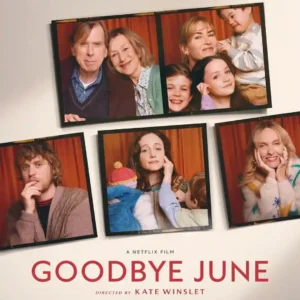
There is not enough comparable review evidence to recommend Goodbye June over the other product.
No clear scored advantage over the other product.
Scores are out of 5. Missing scores mean missing review evidence, not a missing feature.
The closing movement is generally satisfying, with the leads reaching a subtler, more comfortable place rather than undergoing a simplistic transformation.
The final stretch is divisive: a few reviewers praise its beautiful closing scene and stronger late emotion, while others call the resolution corny, too tidy, glutinous, or sugary.
The screenplay is often praised for balancing humor, pathos, and precise character detail. Its recurring weakness is overambition: some reviewers find the themes heavy-handed, jokes under-supported, or storylines insufficiently developed.
The screenplay is the main fault line in the critical response. Supporters call it sharp, raw, sincere, and even remarkable; detractors describe it as thin, formulaic, heavy-handed, amateurish, and too tidy.
One review singles out the cross-cutting between mother and daughter as the film’s most powerful sequence, using separation to show them exchanging approaches to grief.
Editing gets mixed marks: rapid cutting is praised for building early stress, but abrupt transitions and a wordless reconciliation montage are criticized for weakening emotional flow.
The film avoids obvious raunch-com mechanics and big manufactured reversals, which gives its small-scale grief story distinction. Another critic still considers the broader diaspora setup conventional.
The plot is widely considered familiar and predictable, with repeated comparisons to earlier dysfunctional-family and dying-parent dramas.
June and Lela often feel lived-in, specific, and recognizably difficult with each other. More critical reviewers say the short runtime leaves backstory thin or reduces them to generational and cultural types.
Characterization is one of the most repeated weaknesses. Many critics call the siblings archetypal, thin, or too neatly defined, though a few find real texture in the family roles and individual moments.
Reviewers value the lived-in arguments, understated revelations, and smartphone footage for making the relationship and vacation feel authentic rather than mechanically plotted.
Many reviewers find the grief responses, family bickering, and mundane details strikingly true to life. Others see artificial characters, contrived resolutions, or an unrealistically empty and polished hospital.
The meditative pace and brief runtime often feel patient, brisk, and appropriate to the intimate story. A negative review instead experiences long emotional plateaus.
Pacing is mixed: one reviewer praises its good clip, while others say the second half loses its way or that scenes linger longer than their emotional payoff justifies.
Reviewers see personal specificity in the film’s grief story and visual mix, but some consider the diaspora framework familiar or the overall result too plain to feel fully original.
Critics who address the film’s overall originality find it heavily formulaic, built from familiar family-drama tropes rather than a distinctive new approach.
The film’s central mother-daughter journey is clear, but one review argues that an overambitious plot introduces more concepts than the short runtime can coherently develop.
The storytelling is described as visually clear and straightforward, making the family’s immediate crisis easy to follow.
The 70–80 minute length is both a strength and a limitation. It keeps the film compact and prevents overstaying, but several reviewers wish it had more room for backstory and political themes.
The nearly two-hour length is a recurring drawback. Reviewers say it can feel demanding or like a chore, even when they understand why the grief process needs room to breathe.
The film frequently lands as moving, compassionate, and personally recognizable, especially for viewers familiar with parental loss. Some critics feel the heavier late moments or underdeveloped ideas blunt the intended impact.
Responses are sharply split. Some reviewers describe the film as devastating, consoling, and powerful enough to make them cry; others find the emotion manufactured, muted, or unable to land.
The film’s treatment of grief, identity, happiness, freedom, and diaspora can feel rich and humane. The main disagreement is whether those ideas are subtly layered or only surface-level and underdeveloped.
The film earns strong marks for examining grief, mortality, family roles, forgiveness, and the value of limited time, even from reviewers who criticize its plotting.
The story earns considerable praise as an intimate, compassionate account of grief and a difficult mother-daughter bond. Negative reviews find it too slight, overstuffed, or emotionally withdrawn.
Overall story reactions are mixed: some see a moving, beautiful family farewell, while others find a formulaic or paper-thin weepie whose familiar structure limits its effect.
The grief drama can build to strong catharsis and poignancy, especially when centered on June and Lela. A skeptical review finds the reserved telling too withdrawn to fully work.
As a grief drama, the film lands unevenly. Admirers value its humane restraint and emotional range, while critics think the sentimentality often overwhelms the harder truths.
Most reviewers find the mother-daughter chemistry magnetic and believable, especially in the pair’s bickering, tenderness, and uneven attempts to reconnect. One critic felt the staging made them seem less directly engaged with each other.
The sibling friction is often convincing, especially Julia and Molly’s confrontations. Several critics praise the tension between them even when they think the eventual reconciliation is too neat or rushed.
Humor is a major asset, ranging from dry awkwardness and deadpan side characters to bodily jokes and generational bickering. Most reviewers feel it relieves the grief without trivializing it, though one finds the comic structure weak.
The humor is usually seen as a welcome strength, with tender, dark, and offbeat comic moments helping relieve the grief. A few jokes misfire, but the lighter beats often keep the film from becoming oppressively heavy.
Direction is usually praised for actor work, restraint, emotional honesty, and the intelligent use of setting. Dissenters describe the framing as overly cautious or the style as effective but visually conservative.
Kate Winslet’s debut draws more praise than criticism for its actor-friendly restraint, intimate staging, and emotional control. Detractors find the approach prosaic, textbook, or insufficiently cinematic.
The Azores are photographed with painterly beauty, striking wides, phone imagery, and textured film footage. Reviewers especially like how the landscapes reflect grief and emotional distance rather than functioning as scenery alone.
The photography is generally admired for clear, restrained framing, with particular praise for soft-focus work that reflects June’s fading perception.
Many reviewers admire the balance of sorrow, humor, sensuality, and political context. Others find the transitions uneven or the accumulation of modes tonally confusing.
Most reviewers appreciate the attempt to balance sadness, warmth, and humor without becoming relentlessly grim. The main disagreement is whether that restraint holds or eventually gives way to treacle and sentimentality.
The dialogue is praised at its best for naturalistic bickering and culturally specific behavior. A more negative review finds some exchanges stiff and written mainly to deliver exposition.
The dialogue divides reviewers: some find the family conversations impressively realistic, honest, and sharp, while others call them heavy-handed, overly explanatory, or closer to daytime drama.
The film’s central message is compassionate: grief has no single path, joy can coexist with loss, and healing means moving forward while carrying the absent person with you. Its political message is more contested.
Reviewers respond strongly to the film’s ideas about presence, forgiveness, family repair, and making use of the time that remains. Even some negative reviews acknowledge the sincerity of its intentions.
As a grief dramedy with flirtation, politics, and family comedy, the film is appealing but divisive. Several reviewers praise the blend, while others find the genre mix tonally confused or insufficiently developed.
For viewers receptive to a holiday grief weeper, some critics find it tender, restrained, and highly effective. Others think it is too familiar and insufficiently engaging within the genre.
Even mixed reviews tend to find the film enjoyable, helped by its humor, sensuality, scenery, and compact scale. Its emotional heaviness may limit the uplift for some viewers.
Entertainment value depends heavily on tolerance for a slow, sad family drama: one critic found it static and under-engaging, while another still considered it worth recommending.
The film has demonstrated strong festival appeal, and one critic argues it deserves a much wider audience. Its intimate mother-daughter focus and emotional accessibility are the main reasons cited.
The deathbed setting and holiday timing make this a selective watch, but some reviewers expect its relatable family dynamics and warmth to reach a broader audience than the premise suggests.
The visual style combines island vistas, soft compositions, Super 8 texture, crisp digital images, and vertical phone footage. This varied approach is consistently identified as one of the film’s most attractive qualities.
The visual approach is deliberately restrained and performance-centered. Some reviewers find it smooth, clear, and intimate; others call it televisual, overly glossy, inconsistent, or aesthetically jarring.
The acting is the clearest consensus strength, with the central performances repeatedly called captivating, vulnerable, funny, and emotionally precise. A few dissenting reviews find the staging distancing or one performance somewhat one-note.
The ensemble is the film’s clearest strength: reviewers repeatedly say the cast elevates thin or familiar writing, with several calling the performances excellent, stellar, or the main reason to watch.
The two leads carry the film with performances repeatedly described as heartfelt, perfectly cast, and emotionally attuned. Their work gives the compact story much of its depth.
The central performances receive exceptional praise, especially Helen Mirren’s June, who is repeatedly described as magnificent, flawless, believable, and devastating.
The supporting cast is a strong complement to the leads, with José Condessa’s soulful guide and António Maria’s deadpan concierge singled out for adding warmth and humor.
The supporting ensemble is credited with making predictable material soar, using strong performances to add life and credibility beyond what is on the page.
The Iranian diaspora and Woman, Life, Freedom material divides reviewers. Some find it layered, illuminating, and naturally integrated, while others call it shoehorned, underbaked, or performative.
Reviewers caution that the dying-parent story makes this an awkward choice for cheerful family holiday viewing, even though the objection is emotional weight rather than explicit content.
The romantic and sexual thread adds sensual energy, but one critic finds the cautious framing unable to generate enough excitement between June and João.
The synth score is praised for fitting the lighthearted, feel-good atmosphere and supporting a sequence of sexual tension.
Sexuality is handled openly but with restraint. One reviewer specifically praises it as low-key, matter-of-fact, and far removed from raunch-com excess.
The lived-in production details help the film aim for a grounded, emotionally truthful atmosphere, even when the characterization does not always match that realism.
One reviewer specifically praises the use of small hospital and household sounds, such as the whistling kettle and corridor hum, for deepening the intimate atmosphere.
The emotional subject limits repeat viewing: reviewers describe it as comforting when needed but also as the kind of film they may only watch once, especially not every Christmas.

Best for pristine archival footage, immersive sound, and a surprisingly tense look at Disneyland’s construction. Skip it if you want a comprehensive, deeply critical history; several reviewers found the 78–79-minute...
Pros: plot clarity, realism
Cons: plot originality, runtime

Best for an intimate, inventive archival portrait with strong emotional and cultural impact. Skip it if substantial nudity or an occasionally wandering biographical structure will frustrate you.
Pros: chemistry between characters, emotional impact
Cons: runtime, plot clarity

Best for an audacious, text-driven conspiracy thriller with gorgeous 16mm atmosphere and mounting dread. Skip it if long stretches of reading, deliberate repetition, and an intentionally austere narrative sound more...
Pros: story quality, plot clarity
Cons: chemistry between characters, sound design

Best for a profound, formally inventive meditation on grief, memory, and the ethics of filming family. Skip it if intensely personal addiction material, a 114-minute runtime, or occasional repetition will...
Pros: plot originality, ending satisfaction
Cons: runtime, pacing