Scorata scores summarize analyzed review evidence on a 1–5 scale; they are not laboratory measurements or a simple average of customer star ratings. Feature scores summarize the reviews covering that feature. The overall score averages feature scores within each review, then combines review averages. When both expert and customer evidence are available, those two groups receive equal weight. Products can have different review coverage, so small score gaps do not establish a winner.
Recommendations prioritize important features for the category, with a score of at least 3.5, a gap of at least 0.25 points and at least two supporting reviews per product. Features with widely varying scores or broad connectivity contexts are excluded from recommendations. These safeguards do not establish statistical significance.
Quick verdict
What each product is best for
The available evidence supports the recommendation below, but does not establish an overall winner. Check the remaining features against your priorities.
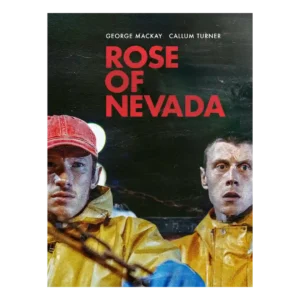
Choose Rose of Nevada for directing quality and suspense.
There is not enough comparable review evidence to recommend Ad Astra over the other product.
Why these recommendations?
Rose of Nevada
Where It Has the Edge
directing quality is 4.9 vs 4.3. Mark Jenkin’s control of image, sound, rhythm, and regional detail gives the film a singular identity. The uncompromising...
suspense is 4.6 vs 4.3. Warnings carved into the boat, shifting identities, recurring images, and the possibility of permanent entrapment keep tension simmering....
Ad Astra
Where It Has the Edge
No clear scored advantage over the other product.
Rose of Nevada4.5 overall score
Ad Astra3.8 overall score
Compare features
Scores are out of 5. Missing scores mean missing review evidence, not a missing feature.
Scored on both products
Other features
Cultural representation
Rose of Nevada
4.8
Cornwall is presented as a lived-in working community rather than a scenic backdrop. The film connects fishing traditions, economic decline, local identity, and the erosion of communal life with unusual specificity.
Ad Astra
1.5
The women occupy small, sometimes stereotypical roles around the male lead. Critics of that imbalance find the wife's largely silent presence especially limiting.
Romance quality
Rose of Nevada
5.0
Two love stories give the time-travel premise much of its heartbreak: one man is torn from the family he loves, while another steps into a family he never had. Their emotional imbalance deepens the film’s moral tension.
Ad Astra
1.8
The estranged wife is usually a distant image rather than a developed partner. Her thin, largely silent role weakens the marital dimension for several critics.
Plot originality
Rose of Nevada
5.0
Using an ordinary fishing trawler and the sea itself as a time machine gives the familiar time-travel idea a fresh, grounded form. The paradoxes grow directly from work, family, and community rather than technological spectacle.
Ad Astra
2.4
A familiar search for a missing father structures the adventure. Some appreciate its departure from conventional payoff, while others find the quest derivative and predictable.
Tonal consistency
Rose of Nevada
5.0
Character drama, eerie dread, dry humor, social realism, and supernatural mystery coexist with unusual control. The tonal mixture remains coherent because every element shares the same handmade, mournful texture.
Ad Astra
2.9
The meditative, somber atmosphere can feel hypnotic and carefully sustained. Others find it oppressive or awkwardly interrupted by pulpy action.
Dialogue quality
Rose of Nevada
4.2
The sparse dialogue is recorded after filming and often feels detached from the image, which adds to the uncanny atmosphere. Its blunt, economical exchanges fit the characters, though viewers seeking fuller explanation may find it withholding.
Ad Astra
2.3
Some lines provide sharp humor or a moving humanist thought. More often, complaints focus on therapy-like declarations and dialogue that spells out ideas already visible on screen.
Editing quality
Rose of Nevada
4.1
Rapid inserts, match cuts, flash frames, and repeated images make past and present bleed together with hypnotic force. The same method can feel overextended when the film lingers on fishing routines or withholds a conventional resolution.
Ad Astra
2.7
The cutting can flow smoothly through the hypnotic voyage, but some passages feel like disconnected episodes. The released edit also drew criticism from the director over lost creative control.
Originality
Rose of Nevada
4.5
The movie feels unlike most contemporary releases, combining handmade 16mm technique with a fishing-boat time loop and a distinctly Cornish social perspective. Its unusual voice remains clear even when the story frustrates.
Ad Astra
3.2
The unusual atmosphere, setting and artistic combination of familiar elements feel distinctive to admirers. Detractors hear too many echoes of earlier space films and see a conventional paternal story underneath.
Realism
Rose of Nevada
4.8
Fishing labor is shown as repetitive, dangerous, exhausting, and physically specific. Nets, engines, gutted fish, wet clothing, and communal unloading make the work feel immediate despite the supernatural story.
Ad Astra
3.6
The everyday commercial details and lived-in colonies are frequently convincing. Scientific liberties, especially around travel, gunplay and the late space maneuvers, limit that credibility for skeptical viewers.
Theme depth
Rose of Nevada
4.7
The film layers grief, memory, identity, labor, community, nostalgia, class decline, sacrifice, and free will into its time-travel premise. Its refusal to settle on one interpretation is a strength for engaged viewers and a barrier for others.
Ad Astra
3.6
Masculinity, abandonment, faith and human connection give the film room for several readings. Admirers find that depth rewarding; skeptics see familiar ideas presented with too much explanation.
Emotional impact
Rose of Nevada
4.8
Nick’s separation from his wife and daughter gives the film a deep current of grief, panic, and longing. Its quietest moments can feel heartbreaking and leave a lasting, quietly devastating impression.
Ad Astra
3.8
For admirers, Roy's restraint makes his eventual vulnerability deeply moving. Other viewers remain outside the characters' lives and leave more drained than affected.
Drama quality
Rose of Nevada
4.8
The supernatural premise remains grounded in a family man’s desperation, a drifter’s longing for belonging, and a community’s dependence on dangerous work. That human tension gives the film more emotional force than a conventional puzzle movie.
Ad Astra
3.7
The father-son story can turn an enormous space journey into intimate emotional drama. Detractors find the confrontation tepid or conventional enough to weaken the spectacle around it.
Genre satisfaction
Rose of Nevada
4.7
Ghost story, time-travel drama, folk tale, social realism, and experimental cinema merge into an eerie experience that resists a single label. The blend feels fresh and emotionally grounded rather than like a standard science-fiction adventure.
Ad Astra
3.8
This is thoughtful, psychologically focused space cinema with intermittent blockbuster spectacle. It rewards viewers receptive to that combination, but does not consistently satisfy expectations of action or scientific rigor.
Ending satisfaction
Rose of Nevada
3.9
The open ending is one of the film’s sharpest dividing points. Some found it haunting, poignant, and endlessly suggestive, while others felt the abrupt lack of answers denied the story a needed payoff.
Ad Astra
3.0
The finish splits opinion sharply: some find earned forgiveness and meaningful closure, while others call the reunion anticlimactic. Its explicit message and loose logistics are frequent sticking points.
Story quality
Rose of Nevada
4.6
The fishing-boat time-slip offers a clear emotional hook while leaving its metaphysics unresolved. The story is compelling and moving at its best, though repetition and underdeveloped ideas weaken it for some audiences.
Ad Astra
3.7
An intimate search for meaning unfolds across a vast interplanetary mission. Reactions depend on whether its simple paternal core feels absorbing and mythic or thin and overexplained.
Plot clarity
Rose of Nevada
3.0
The central time-slip is understandable, but its rules, identities, and causal loops remain intentionally unresolved. That ambiguity rewards interpretation for some viewers and creates confusion or frustration for others.
Ad Astra
2.1
The basic mission is easy to follow, but late logistics and character decisions can become hazy or illogical. Some viewers find the future setting insufficiently explained despite the extensive narration.
Character development
Rose of Nevada
3.9
Nick’s fear, guilt, and devotion to his family give the film a strong emotional center, while Liam’s willingness to accept a borrowed life creates an effective contrast. Some viewers found Liam and the supporting characters less fully developed.
Ad Astra
3.1
Roy's gradual emotional opening is compelling to many, especially through Pitt's small gestures. Others struggle to connect with him and find the supporting characters, particularly the women, thinly developed.
Message quality
Rose of Nevada
4.5
The film’s central message about community, sacrifice, labor, and the cost of preserving a way of life is emotionally resonant. It refuses to romanticize the past even while showing what has been lost.
Ad Astra
3.7
The turn toward human connection and responsibility resonates strongly with supporters. Others find the humanist and religious ideas too familiar, sentimental or overtly stated.
Directing quality
Rose of Nevada
4.9
Mark Jenkin’s control of image, sound, rhythm, and regional detail gives the film a singular identity. The uncompromising vision is a major strength, though the expanded time-travel plot occasionally feels unfocused.
Ad Astra
4.3
Gray's control of scale, atmosphere and quietly staged action earns considerable admiration. His insistence on a solemn, explicitly explained paternal journey is more divisive.
Screenplay quality
Rose of Nevada
2.2
The script provides a stronger narrative spine than Jenkin’s previous experiments while preserving ambiguity and thematic depth. Dissenting viewers found it unfocused, underexplained, or too conventional compared with the bold visual form.
Ad Astra
2.7
Supporters admire nuanced character ideas and the tension between institutional duty and personal need. Repeated criticism centers on obvious exposition, familiar paternal themes and questionable plot decisions.
Pacing
Rose of Nevada
3.3
The deliberate rhythm can feel hypnotic and more propulsive than Jenkin’s earlier work. The 114-minute running time, repeated voyages, and prolonged observational passages can also make the film drag.
Ad Astra
2.9
The patient tempo lets Roy's inward journey breathe for some viewers. Slowdowns, especially in the second half, repeatedly draw complaints of boredom and lost momentum.
Practical effects quality
Rose of Nevada
4.8
The modest, lo-fi effects create convincing storms, temporal ruptures, and physical danger without breaking the handmade aesthetic. Their simplicity becomes part of the film’s tactile spectacle.
Ad Astra
4.5
The production's tangible, lived-in surfaces earn praise for their unshowy craftsmanship. Practical artistry helps make the stations and interiors feel inhabited.
Scares
Rose of Nevada
4.5
The film creates dread through sound, repetition, warnings, disorientation, and the fear of permanent separation rather than jump scares. Its horror is psychological, mournful, and quietly oppressive.
Ad Astra
4.2
The mayday encounter and other implied horrors can be genuinely unnerving, sometimes through restraint rather than prolonged exposure. Some critics wish those scares had more sustained purpose.
Suspense
Rose of Nevada
4.6
Warnings carved into the boat, shifting identities, recurring images, and the possibility of permanent entrapment keep tension simmering. The suspense is atmospheric and existential rather than plot-driven.
Ad Astra
4.3
The opening disaster, lunar chase and mayday stop can generate strong tension. The quieter stretches lose urgency for critics who feel the stakes stay theoretical or the mystery stalls.
Special effects quality
Rose of Nevada
4.8
The film’s restrained effects create credible spectacle while preserving the rough, handmade look. The storm and temporal imagery feel uncanny without becoming polished or generic.
Ad Astra
4.6
Seamless visual effects and expansive space imagery give the journey substantial spectacle. The technical polish remains a strength even for viewers disappointed by the human story.
Score quality
Rose of Nevada
4.9
Jenkin’s eerie electronic and organ-like score reinforces the sense of temporal dislocation and grief. It shifts between low menace and mournful abstraction without overwhelming the handmade soundscape.
Ad Astra
4.6
The score is repeatedly praised for eerie electronic textures and emotionally expansive orchestration. Its restraint and later warmth often do more to carry feeling than the dialogue.
Humor
Rose of Nevada
4.0
Dry humor occasionally slips through the dread, especially in Liam’s casual acceptance of impossible circumstances and the captain’s blunt sea lore. These moments lighten the film without breaking its spell.
Ad Astra
3.9
Commercial flights charging for pillows and familiar businesses on the moon provide welcome satirical touches. The overall solemnity leaves some viewers wishing for more levity.
Cinematography
Rose of Nevada
4.7
The hand-cranked 16mm photography is the film’s most celebrated feature, turning rust, seawater, skin, and weathered buildings into tactile, saturated images. Its scratches, light leaks, and tight framing make the movie feel both newly alive and unearthed from another era.
Ad Astra
4.8
The photography is the most dependable attraction: intimate facial close-ups sit against immense planetary landscapes. Color, shadow and carefully composed images make even skeptical critics admire the presentation.
Runtime
Rose of Nevada
2.1
At 114 minutes, the film gives its atmosphere and labor routines room to accumulate, but the length is a recurring complaint. Viewers less absorbed by the style may feel that a substantial portion could have been cut.
Ad Astra
2.1
For some, the full journey stays engaging; for many others, a simple story is stretched beyond what it can sustain. The drawn-out later passages are the clearest source of length complaints.
Chemistry between characters
Rose of Nevada
4.5
Nick and Liam share a restrained, almost cosmic bond shaped by hard labor and displacement. Their opposing reactions to the past create tension even when they rarely speak openly.
Ad Astra
4.5
The restrained father-son scenes can carry wrenching power, while the brief encounters on Mars bring a welcome emotional charge. These connections work best for viewers invested in Roy's interior life.
Ownership and support
Rewatch value
Rose of Nevada
5.0
The repeated images, causal loops, and unresolved ending invite viewers to revisit the film and form new interpretations. Several admirers found that it lingered for weeks or became richer on a second viewing.
Ad Astra
2.9
Some enthusiastic viewers plan a second viewing to revisit the film's themes and imagery. Those who find the journey emotionally empty prefer returning to other science-fiction films.
Entertainment value
Rose of Nevada
3.0
The film can be mesmerizing when its sound, imagery, and mystery take hold, but it offers little conventional momentum or easy pleasure. Patient viewers may find it absorbing; others may simply feel bored or stranded.
Ad Astra
3.5
The visual journey can be mesmerizing and even thrilling between its quiet stretches. Enjoyment falls substantially when the slow paternal drama fails to create personal investment.
Comfort and build
World-building
Rose of Nevada
5.0
The film makes the supernatural and the everyday feel inseparable, with the village’s labor, family roles, objects, and rituals forming the rules of its temporal world. The setting feels both concrete and mythic.
Ad Astra
4.1
Commercialized lunar life and remote Martian bases offer imaginative, recognizable glimpses of the future. Some viewers relish the hints, while others want a more fully developed setting.
Production design
Rose of Nevada
5.0
The decaying present and busier 1993 village are built through rigorously detailed homes, pubs, docks, tools, and storefronts. The environments feel inhabited and help communicate social change without exposition.
Ad Astra
4.4
Retrofuturistic ships, commercialized lunar terminals and rust-colored Martian interiors create a striking, often convincing setting. A dissenting view questions the practicality of transparent interfaces.
Visual style
Rose of Nevada
4.9
Saturated primary colors, grain, scratches, cropped close-ups, rust, moss, rain, and weathered surfaces create a dense visual world. The style is beautiful, abrasive, and instantly recognizable.
Ad Astra
4.7
Planetary landscapes, dramatic lighting and close studies of Pitt's face give the film a striking visual identity. Its beauty is a reliable strength even when the drama divides opinion.
Sound design
Rose of Nevada
4.8
The post-produced clanks, engines, gulls, waves, voices, and distorted tones are as important as the images. The mix is masterful and immersive, but it can become physically harsh or uncomfortably loud.
Ad Astra
4.8
Quiet lunar action and carefully placed sound cues strengthen the sense of isolation and danger. The sonic presentation is a major reason to seek an immersive screening.
Performance
Supporting cast performance
Rose of Nevada
4.8
The supporting ensemble fits naturally into the heightened Cornish world, balancing grounded behavior with ghost-story strangeness. Francis Magee, Mary Woodvine, Rosalind Eleazar, Edward Rowe, and Yana Penrose are especially effective.
Ad Astra
4.0
Jones, Negga and Sutherland receive praise for expressive, often very brief performances. The cast's limited screen time and the thin opportunities given to several characters remain common reservations.
Lead performance
Rose of Nevada
5.0
George MacKay and Callum Turner give the film emotional clarity by playing opposite responses to the same impossible event. Their restrained performances keep the high-concept story rooted in recognizable fear, need, and desire.
Ad Astra
4.4
Pitt is widely admired for conveying hurt and change through a tightly controlled exterior. A few critics find that restraint wooden, while supporters rank it among his strongest performances.
Acting performance
Rose of Nevada
4.5
The cast embraces the deliberately restrained, post-synced performance style, and the leads make the strange premise emotionally credible. Occasional wooden stiffness feels intentional and often strengthens the uncanny design.
Ad Astra
4.4
Brad Pitt's controlled performance draws broad praise, with several critics also admiring Tommy Lee Jones and the brief supporting turns. A smaller group finds the lead too wooden or emotionally distant.
Soundtrack quality
Rose of Nevada
4.5
The music complements the film’s analog texture and nostalgic unease, with associations that evoke warped memory rather than comforting period nostalgia. It supports the mood more than it functions as a conventional song-driven soundtrack.
Ad Astra
4.6
The music supplies atmosphere, emotional lift and a sense of cosmic scale. Its subdued passages and richer orchestration are among the film's most consistently admired elements.
Controls and connectivity
Critic appeal
Rose of Nevada
5.0
Its tactile craft, emotional ambition, and singular style give it strong art-house critical appeal. The pacing and narrative opacity remain the main reasons for sharp dissent.
Ad Astra
4.5
The supplied account describes a strongly favorable critical reception. That enthusiasm sits alongside a much more divided collection of individual reactions to the story.
Audience appeal
Rose of Nevada
3.5
This is Mark Jenkin’s most approachable film for many viewers, thanks to a clearer time-travel premise and recognizable leads. Its slow rhythm, fractured logic, and abrasive sound still make it best suited to adventurous art-house audiences.
Ad Astra
3.7
Patient viewers who enjoy contemplative science fiction are the clearest fit. The quiet lead and inward focus can frustrate anyone expecting a fast space adventure.
Evidence available for one product
Other features
Action sequences
Rose of NevadaNo score yet
Ad Astra
4.4
The opening fall and moon-rover chase are recurring highlights, admired for their scale, invention and graceful staging. Some viewers find the violent detours disconnected from the central journey.
Casting quality
Rose of NevadaNo score yet
Ad Astra
4.8
The choice of performers earns praise, especially Pitt as the restrained lead and Jones as the intimidating father. Strong casting does not always translate into substantial supporting roles.
CGI quality
Rose of NevadaNo score yet
Ad Astra
4.6
Digital effects are praised for looking seamless and supporting the story rather than substituting for it. Planetary vistas and large-scale space imagery provide considerable spectacle.
Creative collaboration
Rose of NevadaNo score yet
Ad Astra
3.8
Photography, production design and music can work together with striking coherence. The director's account of losing control over the released cut introduces a separate concern about the studio collaboration.
Ethical handling of deaths
Rose of NevadaNo score yet
Ad Astra
1.5
The hero's responsibility for other astronauts' deaths attracts criticism when the story turns back toward his personal mission. The celebratory return can feel insufficiently attentive to those consequences.
Fatherhood portrayal
Rose of NevadaNo score yet
Ad Astra
3.5
Parental abandonment and the fear of becoming one's father give the voyage its human stakes. The same focus feels poignant to some and overly familiar or bluntly explained to others.
Makeup quality
Rose of Nevada
5.0
Mary Woodvine’s aging makeup is convincing enough to make her difficult to recognize at first. The transformation supports the time-slip structure without feeling showy.
Ad AstraNo score yet
Mystery quality
Rose of NevadaNo score yet
Ad Astra
3.2
The missing expedition gives the early journey an intriguing question and a sense of anticipation. Its final explanation disappoints viewers who expect a stronger revelation.
Product placement
Rose of NevadaNo score yet
Ad Astra
4.2
Recognizable airlines and fast-food chains make space colonization amusingly mundane. These brands are generally appreciated as satire and grounding details rather than glamorous futuristic decoration.
Title accessibility
Rose of NevadaNo score yet
Ad Astra
2.0
The Latin title can be an awkward first impression for viewers unsure how to pronounce it. One viewer finds that difficulty an obstacle to approaching the film.
Comfort and build
Costume design
Rose of Nevada
5.0
The clothing helps distinguish the two timelines without calling attention to itself, and the period details are carefully integrated into the village setting. The costumes support the film’s immersive 1990s atmosphere.
Ad AstraNo score yet
Performance
Marketing accuracy
Rose of NevadaNo score yet
Ad Astra
2.5
Several viewers feel the trailers promise more action than the finished film supplies, and one critic objects to spoiled encounters. Another praises the campaign for outlining the drama without revealing its particulars.
Ownership and support
Value for money
Rose of NevadaNo score yet
Ad Astra
3.0
The visual experience can justify a matinee for one speaker, while another recommends waiting for a rental. These qualified recommendations reflect admiration for the spectacle alongside disappointment with the story.
Controls and connectivity
Voiceover effectiveness
Rose of NevadaNo score yet
Ad Astra
2.5
The narration divides viewers between those who need it to connect with the reserved lead and those who find it redundant. Its therapy-like wording and tendency to verbalize subtext attract repeated criticism.
Best for pristine archival footage, immersive sound, and a surprisingly tense look at Disneyland’s construction. Skip it if you want a comprehensive, deeply critical history; several reviewers found the 78–79-minute...
Best for an intimate, inventive archival portrait with strong emotional and cultural impact. Skip it if substantial nudity or an occasionally wandering biographical structure will frustrate you.
Pros: chemistry between characters, emotional impact
Best for an audacious, text-driven conspiracy thriller with gorgeous 16mm atmosphere and mounting dread. Skip it if long stretches of reading, deliberate repetition, and an intentionally austere narrative sound more...
Best for slow-burn suspense, iconic synth music, and shadow-soaked filmmaking that still feels influential. Skip it if you need fast pacing, polished sound, consistently natural dialogue, or modern gore-heavy kills.
Pros: chemistry between characters, directing quality