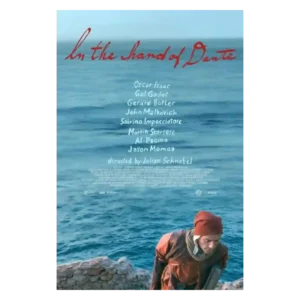
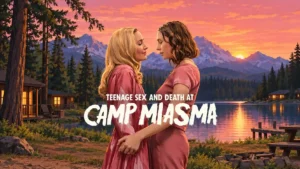
In the Hand of Dante
Where It Has the Edge
No clear scored advantage over the other product.

Scorata scores summarize analyzed review evidence on a 1–5 scale; they are not laboratory measurements or a simple average of customer star ratings. Feature scores summarize the reviews covering that feature. The overall score averages feature scores within each review, then combines review averages. When both expert and customer evidence are available, those two groups receive equal weight. Products can have different review coverage, so small score gaps do not establish a winner.
Recommendations prioritize important features for the category, with a score of at least 3.5, a gap of at least 0.25 points and at least two supporting reviews per product. Features with widely varying scores or broad connectivity contexts are excluded from recommendations. These safeguards do not establish statistical significance.
Quick verdict
The available evidence supports the recommendation below, but does not establish an overall winner. Check the remaining features against your priorities.
There is not enough comparable review evidence to recommend In the Hand of Dante over the other product.
Choose Teenage Sex and Death at Camp Miasma for emotional impact and costume design.
No clear scored advantage over the other product.
Scores are out of 5. Missing scores mean missing review evidence, not a missing feature.
The film reaches for love, grief, faith, and artistic transcendence but remains emotionally remote. Its intellectual ambitions rarely turn into a moving human experience.
Beneath the camp and gore, the film often lands as heartfelt, vulnerable and moving, particularly in its treatment of shame, desire and self-acceptance. A few find it less affecting than Schoenbrun’s earlier work.
The Italian setting and Dante material are visually prominent, yet the accents, casting, and limited use of Italian performers often feel inauthentic or caricatured.
The queer and trans perspective is treated as a meaningful part of the film’s emotional and genre framework, with its representation praised for creating recognition and connection.
Oscar Isaac and Gal Gadot rarely create the passion needed for the cross-century love story. A small minority found their pairing effective, but the dominant impression is emotional distance.
Hannah Einbinder and Gillian Anderson’s charged, tender chemistry is one of the most consistent strengths, giving the central relationship warmth even when the story turns surreal.
The film badly needs a tighter cut. Jolting timeline transitions, repetitive stops, wandering subplots, and scenes that run too long drain momentum from the stronger crime material.
Sharp cuts and inventive transitions give the slasher material extra punch, with the burn-through transition and rapid visual rhythm singled out as especially effective.
The cross-century romance is the most repeated weakness. It is underwritten, rushed, and emotionally cold, leaving the declarations of timeless love unconvincing.
The Kris-Billy relationship is widely praised as tender, strange and genuinely sexy, with the actors’ chemistry helping the romance survive the film’s most abstract turns.
The spiritual message is muddled and heavy-handed, mixing reincarnation, anti-institutional religion, art, and romantic salvation. Its conclusions can feel simplistic or hostile rather than profound.
Its ideas about desire, shame, fandom and loving problematic art resonate strongly when the emotional through-line clicks. Detractors find some of the messaging heavy-handed, muddled or overexplained.
The action is limited and rarely becomes a strength. The few bursts of violence and confrontation are weakened by awkward staging and uneven performances.
The flamboyant massacre and one-take killing spree are frequent highlights, praised for choreography, editing and sheer slasher exuberance. A few viewers are less engaged by the gore-heavy set pieces.
The dramatic material is overextended and pompous rather than emotionally persuasive. Large conflicts and spiritual stakes are presented with weight, but seldom earn it.
The psychosexual drama is dark, delirious and emotionally charged, using the blurred line between reality and fiction to intensify the central relationship.
The mature sexual imagery is brief but deliberately provocative. It fits the film's adult tone, though the surrounding vulgarity and symbolism may feel gratuitous.
The film’s frank, horny treatment of sexuality is often praised as joyful, liberating and central to its themes rather than merely provocative. A few viewers find the execution too much or still not satisfying on its own terms.
The criminal plan, character behavior, romance, and handling of priceless documents often strain credibility. The film favors heightened myth and pulp over believable detail.
The movie intentionally favors dream logic, painted spaces and emotional truth over literal realism. That abstraction is enchanting for some and distancing for others.
The dialogue is frequently florid, repetitive, and self-consciously poetic. Period speeches, odd accents, and grand declarations often become confusing or accidentally funny.
The dialogue can be intimate, funny and unusually candid about desire, but some lines and thematic explanations feel overly declarative or tacked on.
The violence is graphic, sudden, and often mean-spirited. It can add shock and danger to the crime story, but many find it excessive or emotionally unpleasant.
The bloodshed is extravagant, stylized and often comic rather than punishing, which many slasher fans enjoy. A dissenting view finds the violent payoff too limited for the film’s provocative setup.
Ideas about art, commerce, faith, violence, redemption, and artistic obsession are abundant. They are often compelling in isolation but rarely developed into a coherent or emotionally grounded argument.
The film’s deepest strength is its layered exploration of desire, shame, identity, fandom and the complicated pleasure of loving flawed art. Even mixed reactions often engage seriously with those ideas.
Key motivations are vague, supporting figures arrive late, and several women function more as symbols than fully formed characters. The film's scale leaves too little room for believable growth.
Kris’s movement from guarded self-consciousness toward sexual and emotional liberation lands powerfully for many, though some find secondary characters thin or caricatured.
The film jumps between gangster pulp, solemn historical drama, black comedy, romance, and spiritual reverie. Those modes frequently clash instead of enriching one another.
The blend of tenderness, camp, gore, satire and dream logic is exhilarating when it clicks, but the violent tonal shifts can also feel unstable or jarring.
Julian Schnabel takes a fearless, highly personal swing, but the freedom becomes self-indulgence. His visual confidence is clear, while narrative control, tone, and restraint are much less reliable.
Jane Schoenbrun’s direction is widely admired for its distinctive visual imagination, tonal nerve and personal point of view. The main reservation is that the same freedom can become self-indulgent or narratively unruly.
The black-and-white gangster and authentication material is usually the most satisfying part. The medieval biopic and spiritual romance are slower, thinner, and less coherent.
As a meta-slasher, it earns strong praise for loving the genre without simply mocking it, but it deliberately deprioritizes sustained fear and conventional slasher structure.
The screenplay contains an intriguing premise and ambitious ideas but lacks discipline. Absurd turns, unclear motives, disconnected threads, and self-important writing keep it from cohering.
The script earns praise for ambitious ideas, wit and emotional candor, but its density can become heavy-handed or self-indulgent. The balance between thesis and story is a major dividing line.
The final act is one of the weakest sections. Melodrama, an awkward showdown, and an unearned philosophical resolution replace the energy of the earlier manuscript plot.
The ending is sharply divisive: some find the final plunge into fantasy immersive and liberating, while others see padding, confusion or a late collapse in narrative coherence.
The two timelines, dual casting, side plots, and metaphysical links are difficult to track. Their connection remains tenuous until a late explanation that does little to unify the story.
Dream logic and shifting layers of fiction make the story intentionally slippery, but confusion is a repeated complaint. Viewers comfortable with ambiguity fare much better than those wanting a cleanly resolved plot.
Gerard Butler's outrageous gangster provides much of the intentional humor, while other laughs come from campy casting, accents, and solemn scenes that land unintentionally.
The campy gore, industry satire and oddball sexual comedy produce frequent laughs for many viewers. The humor is also a taste filter, with some finding it cringey, forced or ineffective.
At roughly two and a half hours, the film is consistently described as bloated. Its length magnifies the repetition, tonal drift, and weak second half.
The length draws some criticism because the film can feel long-winded or padded after its main ideas have landed, particularly around the epilogue and later digressions.
The lost-manuscript caper and reincarnated-writer structure create a genuinely unusual plot. Its singularity is a major asset, even though the execution is unwieldy.
One assessment finds the movie so absorbed in homage and reference that it struggles to stand fully on its own story despite its creative flourishes.
The story is an audacious literary-gangster epic with flashes of fascination, suspense, and beauty. Its dominant impression, however, is of an overstuffed, confusing mess that collapses under its scope.
The story can be heartfelt, sharp and thematically rich, but it is also one of the main sources of division. Some see a brilliant emotional arc; others see references and surrealism overwhelming a coherent narrative.
The crisp black-and-white modern sequences and vivid color period scenes are the film's most consistent achievement. Painterly compositions, roaming camera work, and striking locations give it a grand visual identity.
Saturated color, tactile lighting, unusual framing and playful camera techniques make the cinematography a standout. The dreamlike camp imagery is repeatedly described as striking and immersive.
The theft, manuscript authentication, and early criminal pursuit create the film's best suspense. That tension fades as romance and metaphysical reflection take over.
Tension often comes from anticipation and inevitability rather than traditional jump scares, with the film keeping some viewers on edge even as it undercuts dread with humor.
The first act and manuscript investigation can move well, but the film increasingly meanders. Long philosophical passages, repeated detours, and a sluggish second half make the journey feel punishing.
The pacing is one of the recurring weaknesses, with complaints about long-winded passages, redundancy and a meandering later stretch. The strongest set pieces still move with considerable energy.
The period clothing divides opinion. Some find it sumptuous and memorable, while others see cheap, theatrical costumes that make the medieval sections feel like historical cosplay.
Little Death’s vent-headed silhouette is an especially memorable design, and the film’s stylized wardrobe helps sell its handmade, heightened slasher world.
The locations and historical spaces can look grand, but the physical world is inconsistent. Some sets feel painterly and immersive, while others appear cheap or sloppy.
Painted backdrops, fake franchise memorabilia, camp sets and tactile props create an unusually rich artificial world. The handmade look is repeatedly celebrated as part of the movie’s identity.
The contrast between widescreen monochrome and boxier color imagery gives the film a distinctive look. Even harsh critics often admire its painterly frames, textures, and locations.
Candy colors, matte-painted landscapes, stylized gore and dreamlike compositions form the strongest area of agreement. Even negative reactions often concede that the film looks distinctive and beautiful.
Medieval Italy and the black-and-white criminal world have vivid, contrasting identities. The settings are imaginative and visually rich even when the narrative connection between them is weak.
The fake Camp Miasma franchise feels unusually complete thanks to its opening montage, props, sequels, lore and period textures. That invented horror history is repeatedly cited as one of the movie’s most convincing achievements.
The all-star ensemble is wildly uneven. Several supporting players add force and humor, but the mismatched styles, accents, and flat performances often make the drama feel unintentionally comic.
The ensemble is broadly praised as fearless and well matched to the film’s heightened tone. Even mixed assessments tend to single out the acting as a strength.
The soundtrack includes conspicuous choices that can feel more like a filmmaker's indulgence than an organic part of the story.
Needle drops, covers and Alex G’s music are major pleasures, often described as inspired or perfectly chosen. A few choices are considered overly obvious or on-the-nose.
Oscar Isaac is usually the film's strongest anchor, differentiating Nick Tosches and Dante with commitment and charisma. Even favorable assessments note that the sprawling script makes his task unnecessarily difficult.
The two leads are the clearest consensus strength: Hannah Einbinder brings nervous vulnerability and comic precision, while Gillian Anderson supplies magnetic, playful glamour.
Gerard Butler is the most frequent standout, with John Malkovich, Al Pacino, and Martin Scorsese also earning praise. The ensemble remains uneven because several prominent performances feel miscast or tonally disconnected.
The supporting ensemble supplies memorable comic and horror-flavored cameos, though several assessments note that many smaller roles are intentionally thin or one-note.
The experience is highly divisive. Some enjoy the strange cast, violent pulp, and trainwreck fascination, but most find the film exhausting, dull, and difficult to recommend.
Most reactions emphasize how funny, strange and wildly entertaining the movie can be, especially for viewers on its wavelength. A small minority find the experience irritating or exhausting instead.
This is best suited to viewers who enjoy audacious, divisive auteur projects and can tolerate confusion. Most will find the length and self-importance hard to endure.
This is a strongly taste-dependent movie: slasher devotees, queer-horror fans and adventurous cinephiles often embrace it, while viewers wanting conventional scares or straightforward storytelling can bounce off hard.
The intentionally unreal digital blood works for some as part of the film’s fever-dream aesthetic, while others notice the computer-generated gore and prefer the practical work.
The adaptation preserves the novel's dual structure and excess, yet its interpretation of Dante's beliefs is sharply disputed. The film often feels more loyal to its own mythology than to the historical poet.
The film's profanity and vulgar speeches contribute to an abrasive, hostile atmosphere. The coarse language is more likely to repel than enhance the experience.
The oversized beards, wigs, and conspicuous hair choices are memorable but often distracting. Several looks invite laughter instead of supporting the historical illusion.
The practical blood work and tactile effects can be fun and convincing, but the mix with digital gore leaves some wishing the film had leaned more heavily on practical techniques.
One assessment finds the conspicuous candy, fast-food and cereal branding distracting enough to briefly pull attention away from the movie.
This is consistently described as a very low-scare horror film. The kills and gore are usually played as camp, memory or comedy rather than sustained dread, which will disappoint viewers seeking real fear.
Alex G’s score is repeatedly praised for its dreamy, inspired mood and its ability to keep the surreal slasher world buoyant.
The combination of practical and digital effects is praised for serving the film’s deliberately exaggerated slasher aesthetic rather than chasing realism.
The film's ambition earns scattered admiration, but its indulgence, incoherence, and length have produced overwhelmingly negative critical reactions.
The portrayal of Dante's faith, worldview, and medieval context is frequently criticized as revisionist or superficial. Its historical world works better as stylized fantasy than persuasive biography.
Its dense references, layered imagery and deliberately unstable reality inspire repeated-viewing interest, with several viewers wanting to revisit it immediately or unpack more on a second pass.
Value reactions are polarized: enthusiastic viewers call individual scenes worth the price of admission, while a strongly negative take says the experience is not worth paying for.
The heightened, direct sound work is singled out for making otherwise comic or exaggerated moments feel physically unnerving.

A deeply human coming-of-age drama carried by remarkable performances and an honest portrayal of grief. Its gentle optimism moves most viewers, though some find the final stretch hurried or overly...
Pros: Grief portrayal, acting performance
Cons: pacing

Billie Jean King’s magnetic first-person storytelling makes this an exhilarating portrait of athletic courage and social change. The filmmaking follows a familiar documentary structure, and her full tennis résumé gets...
Pros: entertainment value, Biographical coverage
Cons: Narrative structure

Choose this inventive, unsettling documentary for fearless questioning, dark humor, and unpredictable storytelling. Skip it if you want a short, straightforward exposé with definitive answers.
Pros: originality, humor

A singular voice, powerful piano playing and intimate film photography make this concert absorbing for receptive listeners. Its uninterrupted, often similar-sounding songs and lack of background context are an acquired...
Pros: directing quality, cinematography
Cons: pacing, Song variety