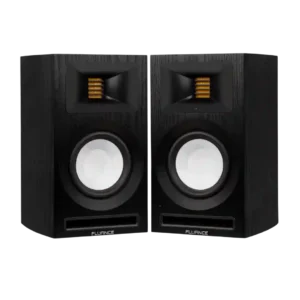
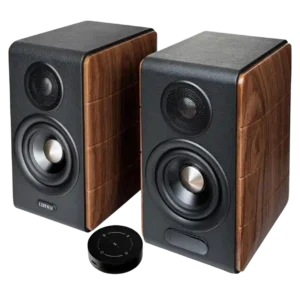
Fluance Ri71 Reference Powered Bookshelf Speakers
Where It Has the Edge
- Weight convenience is 4.1 vs 3.8. Reviewers who discussed size and weight found the speakers manageable for desks, stands, shelves, TV consoles, or ordinary...

Scorata scores summarize analyzed review evidence on a 1–5 scale; they are not laboratory measurements or a simple average of customer star ratings. Feature scores summarize the reviews covering that feature. The overall score averages feature scores within each review, then combines review averages. When both expert and customer evidence are available, those two groups receive equal weight. Products can have different review coverage, so small score gaps do not establish a winner.
Recommendations prioritize important features for the category, with a score of at least 3.5, a gap of at least 0.25 points and at least two supporting reviews per product. Features with widely varying scores or broad connectivity contexts are excluded from recommendations. These safeguards do not establish statistical significance.
Quick verdict
The review evidence points to a tradeoff: Weight convenience versus Optical input support and Status indicators. Choose according to which strengths matter more to you; the overall score alone does not settle that choice.
Choose Fluance Ri71 Reference Powered Bookshelf Speakers for Weight convenience.
Choose Edifier S880DB MKII for Optical input support and Status indicators.
Scores are out of 5. Missing scores mean missing review evidence, not a missing feature.
One reviewer specifically praised perceived soundstage height along with stereo separation.
One movie-focused test found the stage too contained vertically and laterally, with less sense of sound spreading toward the room boundaries than desired.
Wired-input evidence was mixed: RCA/HDMI flexibility helped, but limited USB, optical, and broader digital input options were recurring drawbacks.
Connectivity is one of the clearest strengths, with USB-C, optical, coaxial, and RCA options covering desktops, TVs, streamers, and other sources. The speakers are unusually flexible for a compact active pair.
The only opinionated format evidence says the simple stereo format should sound natural with most content rather than chase surround formats.
High-resolution playback over USB and digital inputs is treated as a real strength for buyers who want better-quality source files without adding another DAC.
Subwoofer support was considered valuable, both for deeper bass and for relieving the speakers of low-frequency strain.
The dedicated sub output is widely praised and makes it easy to add deeper low-end weight. The speakers have useful bass on their own, but a sub is the better route for true deep-bass effects.
Low-volume evidence was positive, noting retained body, presence, and detail in quieter listening or scenes.
Low-volume listening remains clear and satisfying, making the pair well suited to near-field desks and quiet background sessions.
Stereo imaging was repeatedly praised, with reviewers noting centered vocals, wide soundstage, precise placement, and convincing left-right motion.
Stereo imaging is usually precise and spacious, especially near field, with instruments and vocals easy to place. The main limitation is that some TV material can feel less expansive than ideal.
The missing optical input was one of the most repeated connectivity complaints, especially for older TVs, PCs, and comparison with related models.
Optical input works well as the practical TV connection, delivering clear dialogue and solid bass without needing an AV receiver.
Setup was consistently described as easy, straightforward, plug-and-play, dead simple, or hassle-free.
Setup is usually plug-and-play: connect the speakers, power them, choose a source, and start listening. One reviewer found the channel-identification instructions unclear, but the overall process is considered easy.
Value evidence was very strong overall, with reviewers repeatedly saying performance, features, and sound quality punch above the price, despite connectivity tradeoffs.
Value is strong when discounted, where the sound, build, and connectivity can compete well above the price. At full MSRP, the cheaper MR5 and other alternatives make the value case less automatic.
HDMI ARC was praised as a major TV-use convenience, but evidence was mixed because some reviewers encountered picky behavior or low output.
HDMI ARC is missing, and that repeatedly comes up as a convenience loss for TV-centered setups. Optical is the main workaround.
Status indicator evidence was mixed-positive: dimming and shutoff were appreciated, but one reviewer found the LED much too bright.
The small OLED display is consistently well liked because it clearly shows source, volume, or mode without becoming distracting. Auto-dimming and subtle presentation suit both desks and living rooms.
Inter-speaker setup evidence was mixed: standard wire and channel swapping were useful, but raw-wire handling drew criticism.
The long inter-speaker cable gives enough reach for wide placement, including either side of a large TV. It offers useful placement flexibility even though the cable itself is bulky.
Remote usability was mostly praised as handy and useful for daily control, but one reviewer found the mirrored bass/treble layout unintuitive.
The rechargeable touch puck is the most consistent usability complaint: gestures can misfire, volume changes can trigger other commands, and wake-up can lag. A few reviewers still liked the concept or found it workable when used slowly.
Button and knob response was split: one reviewer praised clicky positive remote buttons, while another disliked the feel and speed of the volume control.
Touch-control responsiveness is a recurring weakness. Wake delays, late reactions, and accidental commands can turn simple adjustments into repeated attempts.
Loudness was considered sufficient for small-to-medium rooms and TV use, though reviewers cautioned against expecting party-speaker output.
Compact cabinets still get very loud, with enough output for small rooms and more than enough at a desk. Volume capability is a clear strength.
Voice clarity was praised in music and vocal-centric content, with vocals described as natural, clear, centered, and detailed.
Vocals are often clear, lively, and forward, but placement and tuning matter. A few takes found central voices restrained, dry, or slightly muffled until the speakers were adjusted.
Reviewers described the Ri71 as musically confident, cohesive, polished, and engaging, while one Bluetooth rock comparison produced a more mixed result.
The presentation is praised for staying integrated and coherent, with bass, mids, and upper detail blending naturally rather than feeling disjointed.
TV dialogue evidence was consistently positive, with speech described as centered, clear, intelligible, and easy to follow.
For TV and movies, dialogue comes through crisp and easy to follow. The speakers can push speech forward convincingly even in a simple two-channel setup.
Cabinet build was mostly praised as solid, dense, sturdy, or better than expected, with one reviewer calling the class-average construction less substantive.
Cabinets feel solid, weighty, and well finished, with construction quality that supports the premium impression. One sample had a small finish-adhesion flaw, but that was the exception.
Reviewers who discussed power felt the built-in amplification saved space and provided enough drive for the Ri71’s intended small-to-medium-room use.
Built-in amplification is a major convenience: the system works without a separate amp, reducing both setup complexity and additional cost.
Reviewers who discussed size and weight found the speakers manageable for desks, stands, shelves, TV consoles, or ordinary living spaces.
The pair is not especially tiny or lightweight, but it remains manageable enough to move between setups. Very cramped desks may still find the size more substantial than expected.
Reviewers broadly supported the Ri71 as a TV/soundbar alternative, while still treating it as stereo enhancement rather than full surround home theater.
They work well as compact TV or movie speakers, with strong dialogue and useful optical connectivity. They are less convincing as a complete soundbar replacement when HDMI ARC, very deep bass, or a wider cinematic spread matters.
Detail retrieval was one of the strongest themes, with reviewers repeatedly praising AMT treble clarity, nuance, texture, and high-frequency insight.
Fine detail is a standout strength, with cymbals, guitars, vocals, and layered mixes coming through cleanly and distinctly. Near-field listening especially highlights the resolution.
Frequency balance was widely described as neutral, well-balanced, controlled, and suited to many genres, with only minor caveats around bass or midrange voicing.
The default balance is generally neutral and easy to live with, and Monitor mode is a frequent favorite. Some presets push bass and treble too far, while room placement can also shift the balance.
Most reviewers found the Ri71 clean at normal-to-loud levels, but several noted honkiness, edge, harshness, or limits when pushed very hard.
Playback stays clean through normal listening levels. One test reported no distortion at all, while another heard only a hint of clipping near maximum volume.
Dynamic range was generally praised as solid or very good for the class, especially within reasonable room size and volume expectations.
The speakers handle dynamic swings and punch surprisingly well for their size, including movies and energetic records. Classical material can expose some limits in large-scale dynamic range.
Design reactions were mixed-positive: several liked the attractive, functional look, while others called the finish old-fashioned or not visually subtle.
The design earns near-universal praise for looking more like compact hi-fi than ordinary computer speakers. Curved details, wood accents, and a premium two-tone look help them fit comfortably in visible living spaces.
Bass/treble tone controls were viewed as useful for tailoring sound, though some reviewers found the adjustment system basic or rudimentary.
Sound tailoring is unusually flexible through rear tone controls, presets, and the ConneX app's custom EQ. Monitor is often preferred, while Classic or Dynamic can sound overcooked to some listeners.
On-device controls were divisive: some found the top/rear volume control substantial and accessible, while others disliked its placement, speed, or learning curve.
The physical volume, bass, and treble knobs feel precise and useful, and they provide a welcome escape from the touch remote. Their rear placement can make daily access awkward.
Bluetooth pairing and everyday wireless use were described as easy, reliable, or effortless across the supporting reviews.
Bluetooth stability is excellent in the tested setups, with rock-solid pairing and no reported connection dropouts.
Bluetooth codec support was praised for aptX HD/AAC quality, although some reviewers noted rivals or other codecs can offer different advantages.
LDAC support is a major wireless-audio plus and is repeatedly praised. The tradeoff is no aptX family support, while iPhone users fall back to SBC.
Smart-feature evidence was limited and mixed: reviewers disliked the lack of phone/app control, while one appreciated that no app was required.
The app can be useful for EQ and source control, but several reviewers found its smart features limited or unnecessary. Native streaming integrations are also sparse.
Native AirPlay is absent, which is a meaningful drawback for buyers who want Apple-centric network streaming.
The remote's energy-saving behavior can delay the first command after it wakes, adding friction to otherwise simple adjustments.
The proprietary inter-speaker cable is repeatedly described as chunky or unwieldy. It works, but it is the least graceful part of an otherwise tidy compact setup.
Metal protection over the tweeters is a practical strength, reducing the risk of damage from fingers or accidental contact without hiding the drivers.
The box includes a generous set of useful cables, and multiple reviewers appreciated not having to immediately buy basic connection accessories.
There is no RGB or flashy lighting, so buyers looking for a gaming-style visual show may find the design too restrained.
Build, styling, connectivity, and sound combine into a highly capable compact system that earns enthusiastic recommendations. The touch remote is the clearest flaw keeping the overall experience from feeling as polished as the hardware.
Packaging is sturdy and protective, including well-packed or double-boxed treatment that inspires confidence before setup.
The USB-C audio input does not provide 5V power for peripherals, a missed convenience for desk setups where spare powered USB ports are valuable.
Even a scratched, dusty vintage record remained highly enjoyable, suggesting the speakers can stay musical without making every source flaw dominate the experience.
The compact footprint and strong output make these especially good for desktops, offices, and small to medium rooms. Only very tight desk spaces may find them a bit larger than ideal.
Bluetooth latency was described as barely noticeable in computer use, making wireless playback feel responsive for timing-sensitive desktop use.
Bass opinion depends heavily on room, placement, and expectations: many found it surprisingly deep, punchy, and controlled for the size, while others heard limited low-end extension or boom near walls. The sub output neatly addresses the deepest-bass gap.
Gaming use benefits from punchy sound and very low perceived Bluetooth latency. The compact footprint also suits a gaming or creative desk.
Midrange is usually clean, natural, and informative, with vocals often pushed pleasantly forward. Some listeners wanted more thrust, openness, or expressiveness, so the tuning is not universally lush.
One measured/listening review praised wide, even coverage, supporting a broad listening area rather than a tiny sweet spot.
Overall sound quality is the product's strongest consensus point: clean, detailed, balanced, and surprisingly full for compact active speakers. Bass depth, upper-air, and vocal character draw some criticism, but the broad sonic verdict remains very positive.
There is no internal phono stage, so a turntable needs its own phono preamp or an external one. That omission limits the otherwise broad all-in-one appeal.
Treble is usually clear, smooth, and detailed without becoming fatiguing. A few listeners wanted more air or heard some edge at the extremes, but harshness is not the dominant character.
Bluetooth pairing is consistently simple and quick, with devices finding the speakers easily. Wireless setup is one of the least troublesome parts of daily use.
Review contexts may differ, so use caution when interpreting the score gap.
Music performance is a core strength across rock, pop, jazz, electronic, and record playback. The pair is detailed, engaging, and versatile enough to move between casual listening and more focused near-field sessions.
Edifier customer service responded quickly and thoroughly to a channel-setup question, resolving unclear documentation with a helpful explanation.
There is no headphone output, which reduces convenience for desktop users who want to switch quickly from speakers to private listening.
Native Spotify Connect is not supported, so Spotify users must rely on another playback path rather than direct service integration.
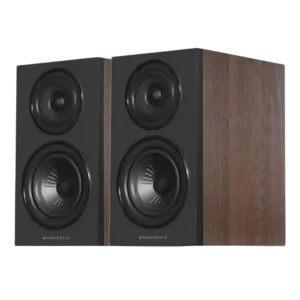
Choose the Diamond 12.1i for balanced, punchy hi-fi sound, strong bass and premium build at a budget price. Skip it if you mostly listen very quietly, need shallow-shelf placement, or...
Pros: Design and aesthetics, Music performance
Cons: Low-volume performance
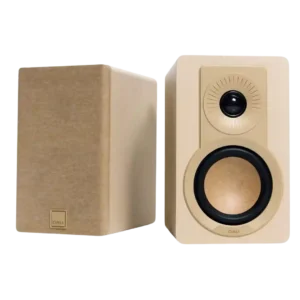
Choose the Kupid for lively, detailed sound in a desk or small-room system where compact size matters. Skip it if you need deep bass, huge-room output, or want to pair...
Pros: Bass performance, Value for money
Cons: Amplifier power requirements, Break-in period
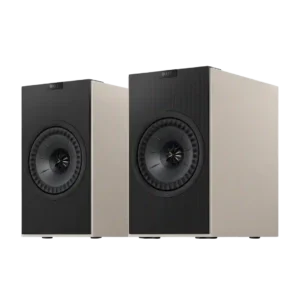
Choose the Coda W if you want big, precise stereo sound, strong bass, HDMI ARC and simple turntable/desktop connectivity without a separates stack. Skip it if built-in Wi-Fi/multi-room streaming, compact...
Pros: Stereo imaging accuracy, Aesthetic design / Finish options
Cons: Smart features, EQ customization
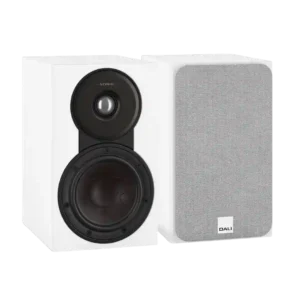
Choose the Sonik 1 for compact-room hi-fi with vivid vocals, punchy bass and precise imaging. Skip it if you need deep sub-bass, dislike forward treble, or cannot justify the steep...
Pros: Value for money, Aesthetic design / Finish options