Compare TP-Link Archer BE230 vs TP-Link Archer AX10

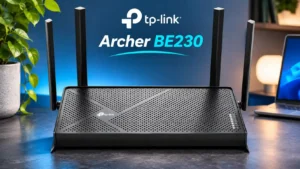
TP-Link Archer BE230

TP-Link Archer BE230

Overall score 4.1 / 5

Based on 28 scored reviews

vs
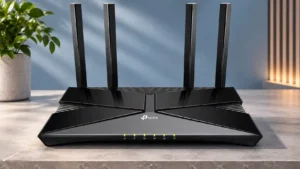
TP-Link Archer AX10

TP-Link Archer AX10

Overall score 3.7 / 5

Based on 15 scored reviews

How we score

Scorata scores summarize analyzed review evidence on a 1–5 scale; they are not laboratory measurements or a simple average of customer star ratings. Feature scores summarize the reviews covering that feature. The overall score averages feature scores within each review, then combines review averages. When both expert and customer evidence are available, those two groups receive equal weight. Products can have different review coverage, so small score gaps do not establish a winner.

Recommendations prioritize important features for the category, with a score of at least 3.5, a gap of at least 0.25 points and at least two supporting reviews per product. Features with widely varying scores or broad connectivity contexts are excluded from recommendations. These safeguards do not establish statistical significance.

Quick verdict

What each product is best for

The review evidence points to a tradeoff: Cross-brand mesh compatibility and multi-gig Ethernet support versus device capacity and guest network. Choose according to which strengths matter more to you; the overall score alone does not settle that choice.

Choose TP-Link Archer BE230 for Cross-brand mesh compatibility and multi-gig Ethernet support.

Choose TP-Link Archer AX10 for device capacity and guest network.

Why these recommendations?

TP-Link Archer BE230

Where It Has the Edge

  • Cross-brand mesh compatibility is 4.8 vs 2.0. EasyMesh allows compatible hardware from other brands to participate in an expandable network, though specific compatibility must be...
  • multi-gig Ethernet support is 4.8 vs 2.5. Multi-gigabit Ethernet is an unusually strong selling point at this price. The router can connect faster broadband and...
  • USB port support is 4.3 vs 2.2. USB 3.0 is a useful inclusion for sharing a storage drive on the home network, especially at this...

TP-Link Archer AX10

Where It Has the Edge

  • device capacity is 3.9 vs 3.0. The router can handle a typical collection of home devices, but is not intended for exceptionally device-heavy networks.
  • guest network is 4.3 vs 3.6. Guest access is conveniently enabled and managed separately from the main network.
  • usage schedules is 3.6 vs 3.0. Scheduling is useful for basic access restrictions, though the depth of daily time limits differs across accounts.
TP-Link Archer BE230 4.1 overall score
TP-Link Archer AX10 3.7 overall score

Compare features

Scores are out of 5. Missing scores mean missing review evidence, not a missing feature.

Scored on both products

Other features

Ease of use
TP-Link Archer BE230
5.0

Everyday controls are clear enough for people who do not want to learn complex networking menus.

TP-Link Archer AX10
4.9

The straightforward interfaces and simple setup make everyday management approachable.

Cross-brand mesh compatibility
TP-Link Archer BE230
4.8

EasyMesh allows compatible hardware from other brands to participate in an expandable network, though specific compatibility must be checked.

TP-Link Archer AX10
2.0

OneMesh favors compatible TP-Link extenders, making cross-brand mesh expansion less flexible.

Airtime efficiency
TP-Link Archer BE230
2.0

The absence of familiar airtime fairness settings limits fine-grained optimization.

TP-Link Archer AX10
4.5

Concurrent Wi-Fi 6 connections benefit from more efficient scheduling and reduced contention.

ISP compatibility
TP-Link Archer BE230
2.0

The German-language test warns that internet connections requiring DS-Lite with an AFTR gateway are not supported.

TP-Link Archer AX10
4.5

An IPv6 broadband connection worked well in one test.

USB storage sharing
TP-Link Archer BE230
4.2

A shared USB drive can serve as a basic network storage or backup solution. Wired transfers are generally more satisfying than wireless access, and configuration can require the browser interface.

TP-Link Archer AX10
2.1

USB-attached storage cannot be shared through the router, limiting built-in file-server functionality.

Latency consistency
TP-Link Archer BE230
4.5

Several tests found little lag under load, although latency and jitter are otherwise typical of dual-band routers.

TP-Link Archer AX10
2.5

Wireless latency fluctuates more than on some competing routers, making wired connections preferable for latency-sensitive tasks.

Packaging quality and presentation
TP-Link Archer BE230
3.0

Packaging protects the hardware and is neatly organized, but tightly wrapped antennas make unboxing unnecessarily fiddly.

TP-Link Archer AX10
5.0

The protective cardboard frame and organized accessory compartments keep the contents secure.

Subscription requirements
TP-Link Archer BE230
2.7

The router works without subscriptions, but advanced parental controls and security add recurring costs that some buyers resent.

TP-Link Archer AX10
4.5

Basic website and app filtering can be used without a paid subscription.

Quality of service
TP-Link Archer BE230
4.5

QoS controls are useful and easy to adjust, with granular settings for individual clients.

TP-Link Archer AX10
2.9

QoS offers basic device priority, but lacks finer application-level options and may require manual bandwidth entry.

Status light usefulness
TP-Link Archer BE230
4.3

Visible indicators provide useful at-a-glance information about network and connection status.

TP-Link Archer AX10
2.8

The front LEDs communicate status, but cryptic icons, inexpensive styling and a shared Ethernet indicator reduce their usefulness.

Network segmentation
TP-Link Archer BE230
3.9

Separate guest and IoT networks offer useful isolation, but custom LAN VLANs and deeper segmentation options are limited.

TP-Link Archer AX10
2.5

Guest isolation is useful, but advanced VLAN-based segmentation is limited.

Channel selection
TP-Link Archer BE230
3.8

DFS and adjustable channel options help deal with interference, although radar activity can interrupt service.

TP-Link Archer AX10
2.5

The available 5 GHz channels are restricted, limiting options for avoiding interference and optimizing performance.

Device compatibility
TP-Link Archer BE230
4.8

Older Wi-Fi devices can connect normally and may gain speed, making mixed-generation networks practical.

TP-Link Archer AX10
3.7

Older Wi-Fi clients can still connect and perform well, while newer features require compatible devices.

Security features
TP-Link Archer BE230
3.5

Basic security tools add useful protection at no extra cost, but advanced threat protection requires a subscription.

TP-Link Archer AX10
2.4

Security is a notable compromise: basic protection is available, but advanced malware safeguards and WPA3 support vary.

Congestion handling
TP-Link Archer BE230
4.1

Strong close-range throughput under congestion is encouraging, and DFS offers additional channel options. Crowded networks and longer distances can still challenge a dual-band design.

TP-Link Archer AX10
3.1

Wi-Fi 6 scheduling can reduce contention, but limited channels and no DFS make congested wireless environments challenging.

Automatic firmware updates
TP-Link Archer BE230
5.0

Automatic firmware updates are convenient, and the setup process can apply new software without intervention.

TP-Link Archer AX10
4.0

Automatic updating provides a convenient way to keep firmware current where supported.

Long-range speed
TP-Link Archer BE230
3.6

Long-range results depend heavily on the surroundings and number of active clients. Some tests beat expensive routers, while other tests found pronounced speed loss.

TP-Link Archer AX10
2.6

Long-distance results vary substantially: some tests retained respectable throughput, while others found distant-room performance very poor.

Expandability
TP-Link Archer BE230
4.6

EasyMesh compatibility allows coverage to grow as needs change rather than requiring a complete replacement.

TP-Link Archer AX10
3.7

Compatible extenders can expand coverage, but firmware availability, proprietary mesh support and missing repeater mode limit flexibility.

Device capacity
TP-Link Archer BE230
3.0

A typical household is comfortably within its capabilities, but many bandwidth-hungry devices or a dense smart home can overwhelm it.

TP-Link Archer AX10
3.9

The router can handle a typical collection of home devices, but is not intended for exceptionally device-heavy networks.

Device prioritization
TP-Link Archer BE230
4.5

Per-device priority controls make it easy to give important traffic more bandwidth.

TP-Link Archer AX10
3.6

Individual devices can be prioritized, but application-specific controls are limited or absent.

Latency
TP-Link Archer BE230
4.5

Delay is generally low enough for responsive browsing and gaming, including during simultaneous streams.

TP-Link Archer AX10
3.6

Latency is adequate for ordinary browsing and gaming in many setups, but demanding concurrent wireless VR can become unusable.

Dead-zone elimination
TP-Link Archer BE230
4.8

EasyMesh expansion can extend service into previously weak areas; one condo upgrade also eliminated the need for a second router.

TP-Link Archer AX10
4.0

Beamforming helps reduce dead spots, although it cannot overcome every obstruction.

Traffic prioritization
TP-Link Archer BE230
3.5

Traffic can be prioritized according to activities such as streaming or gaming.

TP-Link Archer AX10
2.7

Traffic prioritization is available by client rather than by application, limiting flexibility.

Mesh coverage
TP-Link Archer BE230
4.8

Compatible extenders can fill weak spots and create a unified network across the home.

TP-Link Archer AX10
4.0

Compatible mesh extenders offer a way to improve coverage when a single router is insufficient.

Antenna adjustability
TP-Link Archer BE230
4.2

Adjustable external antennas make positioning and wall mounting flexible, although they are not easily replaceable.

TP-Link Archer AX10
3.5

The antennas can be positioned and hold their angle, but cannot be replaced with stronger ones.

Guest network
TP-Link Archer BE230
3.6

Guest networking is convenient to set up, but the guest SSID may not extend to EasyMesh satellites.

TP-Link Archer AX10
4.3

Guest access is conveniently enabled and managed separately from the main network.

Usage schedules
TP-Link Archer BE230
3.0

Basic scheduling is available, but multiple schedules and finer control can be restricted or require an upgrade.

TP-Link Archer AX10
3.6

Scheduling is useful for basic access restrictions, though the depth of daily time limits differs across accounts.

Activity reports
TP-Link Archer BE230
2.5

Detailed reporting is limited without a paid HomeShield plan.

TP-Link Archer AX10
2.0

Advanced reporting is limited, so households seeking detailed activity insights may need more capable controls.

Firmware stability
TP-Link Archer BE230
2.3

Firmware has some rough edges, including reported MLO inconsistencies and radio failures after updates.

TP-Link Archer AX10
2.8

Occasional firmware hiccups and changes to MU-MIMO settings have caused frustration.

Floor-to-floor coverage
TP-Link Archer BE230
4.0

Upstairs and downstairs connections remained usable in several homes, though some downstairs locations trailed competing routers.

TP-Link Archer AX10
4.5

One apartment installation maintained a usable signal even two stories below the router.

Heat management
TP-Link Archer BE230
4.8

Passive cooling keeps temperatures comfortably controlled, even during substantial traffic.

TP-Link Archer AX10
4.3

Ventilation is reasonably generous, and one comparison found the AX10 ran cooler than its pricier sibling.

Power consumption
TP-Link Archer BE230
5.0

Low power draw makes it economical to leave the router running continuously.

TP-Link Archer AX10
4.5

Low power draw makes the router practical for always-on home networking.

Power efficiency
TP-Link Archer BE230
5.0

Low power consumption is a strength, particularly compared with higher-performance routers that need more energy.

TP-Link Archer AX10
4.5

Low energy consumption is useful for a router that stays on continuously.

Whole-home coverage
TP-Link Archer BE230
4.3

A single centrally placed router can cover a modest home well. Larger properties and difficult layouts may need additional nodes.

TP-Link Archer AX10
3.8

Central placement can cover a modest house effectively; larger layouts and adjacent rooms may require an extender.

Wall penetration
TP-Link Archer BE230
3.7

Thick walls are an unpredictable obstacle: some tests found excellent penetration, while others showed substantial signal loss.

TP-Link Archer AX10
3.3

A single wall can still allow good 5 GHz speeds, but dense materials and additional walls limit reach.

Configuration flexibility
TP-Link Archer BE230
3.9

There is a generous set of everyday network settings for the price, but advanced VLAN, QoS and optimization controls have limitations.

TP-Link Archer AX10
4.3

Standard wireless, DNS and network settings are flexible and accessible, while more specialized controls remain limited.

Mid-range speed
TP-Link Archer BE230
3.6

Performance at intermediate distances varies: several tests remained fast, while others saw a sharp drop by 25–30 feet.

TP-Link Archer AX10
4.0

Throughput remains useful in nearby rooms or at around 30 feet, although it falls below same-room speeds.

Network monitoring
TP-Link Archer BE230
4.1

Useful traffic, connection and device statistics are available, though the network map could show more details at a glance.

TP-Link Archer AX10
4.5

The app provides a convenient way to view network status and connected clients.

Range
TP-Link Archer BE230
3.8

Range is good for many apartments and medium homes, but tests disagree on how well it holds up over longer distances or through obstacles.

TP-Link Archer AX10
3.6

Range is generally adequate for modest homes, but reports vary from good coverage to very poor long-distance reception.

Settings organization
TP-Link Archer BE230
4.8

Major settings are easy to navigate, with heavier options grouped under Advanced.

TP-Link Archer AX10
5.0

Basic and advanced options are clearly organized, so common settings are easy to find.

Status light control
TP-Link Archer BE230
4.7

Physical and software controls make it easy to turn off distracting status lights.

TP-Link Archer AX10
4.5

Status LEDs can be scheduled to turn off at night.

Future upgrade readiness
TP-Link Archer BE230
4.4

Wi-Fi 7 features, 2.5 GbE and mesh expansion offer useful upgrade headroom. The missing 6 GHz band limits future peak speeds.

TP-Link Archer AX10
4.5

Wi-Fi 6 is a useful step up from older hardware, though the router lacks some newer premium capabilities.

Band steering
TP-Link Archer BE230
3.9

Smart Connect makes a single network name convenient, but automatic selection of the slower band can reduce throughput.

TP-Link Archer AX10
4.0

Smart Connect and automatic band allocation simplify choosing a suitable wireless band.

Beamforming effectiveness
TP-Link Archer BE230
4.3

Beamforming helps direct signals toward devices and can improve coverage in hard-to-reach rooms.

TP-Link Archer AX10
4.3

Beamforming directs signal toward active devices and helps improve usable coverage.

Network stability
TP-Link Archer BE230
4.3

Typical household traffic can run smoothly without interruptions, but occasional firmware-related dropouts and reboots have been reported.

TP-Link Archer AX10
4.3

The router passed a three-day stress test without problems, and ordinary household connections are often stable.

LAN port speed
TP-Link Archer BE230
4.8

One 2.5 GbE LAN port delivers useful headroom for a fast wired computer, NAS or switch. Other LAN ports are limited to gigabit speeds.

TP-Link Archer AX10
4.7

Gigabit Ethernet performs well and is suitable for broadband connections within its speed ceiling.

Close-range speed
TP-Link Archer BE230
4.4

Most close-range tests were excellent for the price, with 5 GHz frequently reaching gigabit-class speeds. Automatic band selection and stricter Wi-Fi 7 comparisons expose some limitations.

TP-Link Archer AX10
4.3

Short-range Wi-Fi 6 tests reached roughly 730–841 Mbps in several tests, competitive with more expensive models.

Alexa integration
TP-Link Archer BE230
4.5

Alexa integration provides convenient hands-free control over basic router settings.

TP-Link Archer AX10
4.5

Alexa integration is described as convenient for voice-controlled routines and device groups.

Connected-device management
TP-Link Archer BE230
4.5

Renaming, prioritizing, pausing and blocking individual devices is straightforward.

TP-Link Archer AX10
4.5

Connected devices can be monitored easily through Tether.

Ethernet port count
TP-Link Archer BE230
4.5

Five Ethernet ports are generous for typical home equipment, although only one of the LAN ports is multi-gigabit.

TP-Link Archer AX10
4.5

Four gigabit LAN ports provide useful wired flexibility, with convenient spacing.

Firmware update process
TP-Link Archer BE230
4.0

Firmware updates are usually easy to apply, sometimes automatically during setup. Reports of post-update radio problems and lack of rollback are concerning.

TP-Link Archer AX10
4.0

Firmware updates can be applied during setup or through the management interfaces without much difficulty.

Link aggregation
TP-Link Archer BE230
2.5

Missing link aggregation is a drawback for buyers who need to combine wired connections.

TP-Link Archer AX10
2.5

Link aggregation is missing, a compromise for users who need higher wired bandwidth.

Ownership and support

Customer support
TP-Link Archer BE230
3.5

The availability of lifetime support and online resources is encouraging, but owners who encountered faults have reported frustrating assistance.

TP-Link Archer AX10
1.0

A lengthy support interaction over missing MU-MIMO controls was especially frustrating and involved conflicting answers.

WPA3 support
TP-Link Archer BE230
4.5

WPA3 is a welcome modern security upgrade over older routers limited to WPA2.

TP-Link Archer AX10
2.2

WPA3 availability is inconsistent across tested units and versions; verify the exact hardware revision before relying on it.

Multi-gig Ethernet support
TP-Link Archer BE230
4.8

Multi-gigabit Ethernet is an unusually strong selling point at this price. The router can connect faster broadband and one fast wired device without a gigabit bottleneck.

TP-Link Archer AX10
2.5

Multi-gigabit Ethernet is absent, preventing the router from fully exploiting faster-than-gigabit connections.

USB port support
TP-Link Archer BE230
4.3

USB 3.0 is a useful inclusion for sharing a storage drive on the home network, especially at this price.

TP-Link Archer AX10
2.2

The lack of USB is a repeated drawback, especially for attached printers, drives or media servers.

Hardware reliability
TP-Link Archer BE230
2.0

Reports of the 2.4 GHz radio disappearing on a unit and its replacement raise durability concerns.

TP-Link Archer AX10
4.0

The chassis is described as sturdy enough for typical home use.

Upgrade value
TP-Link Archer BE230
4.7

Upgrading from older routers or an ISP gateway can produce a major improvement for little money. Owners of a good Wi-Fi 6 router may see less benefit.

TP-Link Archer AX10
3.8

The AX10 offers good upgrade value for buyers who want faster Wi-Fi, although the benefit depends on existing equipment and plan speed.

Dual-band support
TP-Link Archer BE230
3.2

Two bands are often sufficient for everyday homes and help keep the price down. They limit peak capacity and leave less room for congested networks.

TP-Link Archer AX10
4.0

Dual-band operation accommodates older devices alongside faster modern clients.

VPN server support
TP-Link Archer BE230
4.6

Built-in VPN server capabilities offer a useful way to access the home network from elsewhere.

TP-Link Archer AX10
5.0

The built-in VPN server is a welcome extra on a budget router.

Connection reliability
TP-Link Archer BE230
4.4

Many households enjoyed stable connections even with several active devices. Isolated reports of daily dropouts and reduced reliability at extreme distances temper that praise.

TP-Link Archer AX10
4.2

Several experiences point to dependable everyday connections, although some devices may need to be closer to connect initially.

Setup ease
TP-Link Archer BE230
4.8

Setup is consistently described as quick and straightforward, often taking only five or six minutes. A few ISP-specific settings can confuse beginners.

TP-Link Archer AX10
4.7

Setup is consistently straightforward, whether performed through the Tether app or a browser.

160 MHz support
TP-Link Archer BE230
2.5

The range of available 5 GHz channels at 160 MHz is restrictive, making interference harder to avoid.

TP-Link Archer AX10
2.6

There is no 160 MHz mode, which limits peak wireless speeds but matters less for ordinary broadband plans.

Installation process
TP-Link Archer BE230
5.0

Installation is generally close to plug-and-play, with clear guidance and quick connection to the modem.

TP-Link Archer AX10
4.9

Installation is generally quick and uncomplicated.

Wall-mounting support
TP-Link Archer BE230
4.7

Built-in mounting slots make wall placement straightforward without a separate bracket.

TP-Link Archer AX10
4.8

Screw slots make wall or ceiling mounting convenient on the units that were evaluated.

Value for money
TP-Link Archer BE230
4.8

The combination of a low price, good everyday wireless performance and two 2.5 GbE ports is widely praised. Limited radio capacity and paid extras are the primary trade-offs.

TP-Link Archer AX10
4.8

Affordability is a major strength, with solid everyday performance for considerably less than many better-equipped routers.

Channel width support
TP-Link Archer BE230
2.5

Channel bandwidth tops out at 160 MHz rather than the wider 320 MHz available on full-featured Wi-Fi 7 routers.

TP-Link Archer AX10
2.5

Limited channel width reduces peak throughput potential, although gigabit Ethernet already imposes a ceiling.

Dynamic DNS support
TP-Link Archer BE230
4.5

Dynamic DNS is useful alongside the VPN server for reaching home devices remotely.

TP-Link Archer AX10
4.5

Integrated dynamic DNS conveniently complements remote VPN access.

Performance

Advertised speed accuracy
TP-Link Archer BE230
4.5

Measured sustained throughput was consistent with the modest hardware specifications.

TP-Link Archer AX10
3.0

The AX1500 label describes combined theoretical bandwidth rather than guaranteed device or internet speed; real-world results can be substantially lower.

2.4 GHz performance
TP-Link Archer BE230
3.7

Close-range 2.4 GHz throughput is frequently excellent for the price, and some tests found good wall penetration. Longer-distance results and isolated radio failures were less encouraging.

TP-Link Archer AX10
2.6

The 2.4 GHz band is a recurring weak point, with mediocre throughput compared with faster alternatives.

Content filtering
TP-Link Archer BE230
3.8

Basic website blocking is useful, but more extensive filtering can be subscription-dependent.

TP-Link Archer AX10
2.9

Website and keyword blocking provide elementary filtering; sophisticated age-based categories are not consistently available.

5 GHz performance
TP-Link Archer BE230
3.9

The 5 GHz band can deliver gigabit-class speeds close by, but speed losses over distance vary considerably.

TP-Link Archer AX10
4.4

The 5 GHz band is a standout, achieving strong near-router speeds and often competing with pricier models.

Wired device performance
TP-Link Archer BE230
4.5

Wired performance is often very good, approaching the 2.5 GbE ceiling in some tests, though some alternatives delivered faster measured transfers.

TP-Link Archer AX10
4.9

Wired connections are a strength, delivering full plan speeds and dependable Ethernet performance.

Performance under load
TP-Link Archer BE230
4.5

The router handles simultaneous streaming and ordinary traffic surprisingly well, particularly at close range.

TP-Link Archer AX10
4.2

Ordinary concurrent streaming and gaming can run smoothly, but heavier simultaneous demands such as dual wireless VR are more challenging.

Upload performance
TP-Link Archer BE230
4.7

Upload speeds improved markedly over older equipment in some tests, and remained steady during simultaneous streaming in another.

TP-Link Archer AX10
5.0

A wired test delivered the full 300 Mbps upload speed of the broadband connection.

Download performance
TP-Link Archer BE230
4.3

Downloads can be impressively quick on compatible devices, with useful performance at distance in some homes.

TP-Link Archer AX10
4.0

The wired connection delivered the full 600 Mbps download speed in one test, but premium routers offer more wireless read throughput.

Multi-device performance
TP-Link Archer BE230
4.1

Several simultaneous streams and everyday devices generally run smoothly. Heavier loads with numerous clients can expose the limited radio capacity.

TP-Link Archer AX10
4.2

Multiple everyday clients usually work well, although two simultaneous VR headsets caused severe problems in one account.

Wireless performance
TP-Link Archer BE230
4.3

Wireless performance is strong for a low-cost router, especially with nearby devices. Peak speeds and performance at greater distances can trail more capable models.

TP-Link Archer AX10
4.3

Good 5 GHz throughput makes this a capable budget wireless router, although the slower 2.4 GHz band and distance-related drop-offs limit its versatility.

Controls and connectivity

Software and driver support
TP-Link Archer BE230
3.0

Firmware-conscious users may prefer more mature alternatives with greater software flexibility.

TP-Link Archer AX10
2.0

Lack of OpenWRT and DD-WRT compatibility limits more advanced software-based network management.

Parental controls
TP-Link Archer BE230
3.5

Basic parental controls are useful and approachable, with profiles and blocking options. Advanced filtering, scheduling or reports may require payment.

TP-Link Archer AX10
2.9

Basic profiles, schedules and website blocking are useful, but advanced parental controls are limited.

Web interface setup
TP-Link Archer BE230
4.8

Browser-based setup is quick and straightforward, offering an alternative to the phone app.

TP-Link Archer AX10
4.3

The familiar browser setup process is intuitive and allows more detailed configuration.

Web interface quality
TP-Link Archer BE230
4.4

The web interface is clean, familiar and well organized, with a useful selection of advanced settings.

TP-Link Archer AX10
4.8

The web interface is clear, intuitive and rich in standard network controls.

Access controls
TP-Link Archer BE230
4.3

Device blocking and per-device access controls are useful for managing who can use the network.

TP-Link Archer AX10
4.0

Basic traffic and access restrictions can be configured without unnecessary complexity.

App setup quality
TP-Link Archer BE230
4.7

The Tether app provides a guided, approachable setup process. Some unusual network configurations and the online login requirement introduce friction.

TP-Link Archer AX10
4.5

Tether simplifies setup, although reconnecting after changing network credentials can be briefly awkward.

Mobile app quality
TP-Link Archer BE230
4.2

Tether is polished, approachable and convenient for everyday management. An online account, promotional prompts and settings available only through a browser are drawbacks.

TP-Link Archer AX10
4.4

Tether makes everyday monitoring and configuration easy, but the web interface offers more advanced settings.

Wi-Fi speed
TP-Link Archer BE230
4.2

Gigabit-class wireless speeds are achievable in favorable conditions, and upgrades from older routers can be substantial. Throughput falls off with distance and lacks the highest-end Wi-Fi 7 speeds.

TP-Link Archer AX10
4.3

Several tests produced impressive speeds near the router, with much more variable results farther away.

Voice assistant compatibility
TP-Link Archer BE230
4.5

Voice commands make routine tasks such as guest network and LED control more convenient.

TP-Link Archer AX10
4.5

Alexa voice integration provides convenient control for supported devices and routines.

Comfort and build

Size and footprint
TP-Link Archer BE230
4.2

The low-profile, lightweight body is easy to place in many homes, although the protruding antennas can make it look bulkier.

TP-Link Archer AX10
4.8

The slim, compact case fits easily into tight household spaces.

Build quality
TP-Link Archer BE230
3.9

The light plastic enclosure generally feels sturdy enough for home use, but the visible antenna wiring and less robust construction reveal cost-cutting.

TP-Link Archer AX10
3.4

Build quality is serviceable for the price, but glossy plastic and budget construction divide opinions.

Design and appearance
TP-Link Archer BE230
3.9

The simple matte-black design divides opinion: some find it clean and practical, while others dislike the conspicuous antennas and basic finish.

TP-Link Archer AX10
3.7

The angular design is generally unobtrusive and appealing, although glossy plastic can be distracting and look inexpensive.

Evidence available for one product

Ownership and support

2.5 GbE support
TP-Link Archer BE230
4.7

A pair of 2.5 GbE ports provides excellent value and useful wired headroom, with measured speeds near the connection's practical ceiling.

TP-Link Archer AX10No score yet
10 GbE support
TP-Link Archer BE230
2.0

The lack of 10 GbE rules out exploiting the fastest wired internet plans.

TP-Link Archer AX10No score yet
320 MHz support
TP-Link Archer BE230
2.0

Missing 320 MHz channels limit maximum wireless throughput for compatible Wi-Fi 7 clients.

TP-Link Archer AX10No score yet
Dual-WAN support
TP-Link Archer BE230
2.0

Advanced routing needs such as dual-WAN are not well served by the consumer-oriented firmware.

TP-Link Archer AX10No score yet
Manufacturer customer support
TP-Link Archer BE230No score yet
TP-Link Archer AX10
1.0

Manufacturer support was inconsistent and time-consuming when a user needed help with missing MU-MIMO controls.

MIMO support
TP-Link Archer BE230
2.3

The 2×2 radio design limits overall capacity compared with higher-stream routers, particularly when many devices compete for bandwidth.

TP-Link Archer AX10No score yet
Security update support
TP-Link Archer BE230No score yet
TP-Link Archer AX10
4.0

Routine firmware updates are useful for maintaining security, subject to the specific hardware revision.

Setup guidance
TP-Link Archer BE230
4.2

Clear setup instructions help novices get online, though technical ISP questions could use better explanations.

TP-Link Archer AX10No score yet
VPN client support
TP-Link Archer BE230
4.8

The VPN client is a standout at this price, with support for modern protocols and network-wide routing.

TP-Link Archer AX10No score yet
Warranty
TP-Link Archer BE230
5.0

The two-year warranty is competitive and longer than many similarly priced alternatives.

TP-Link Archer AX10No score yet
Wired backhaul support
TP-Link Archer BE230
4.0

Ethernet links between mesh units are strongly preferred for maintaining speed and making the most of a low-cost system.

TP-Link Archer AX10No score yet
WireGuard support
TP-Link Archer BE230
4.8

WireGuard is easy to configure and delivers respectable VPN throughput for a budget router.

TP-Link Archer AX10No score yet

Performance

6 GHz performance
TP-Link Archer BE230
2.3

There is no 6 GHz radio, so the newest clients cannot exploit its extra capacity or maximum speeds. For ordinary devices and modest internet plans, this is less consequential.

TP-Link Archer AX10No score yet
Long-term performance
TP-Link Archer BE230
5.0

Months of steady everyday use suggest the router can provide dependable long-term performance.

TP-Link Archer AX10No score yet
Mesh performance
TP-Link Archer BE230
3.0

EasyMesh is a useful expansion route, but wireless mesh links share the router's limited spectrum and are better wired where possible.

TP-Link Archer AX10No score yet
MU-MIMO performance
TP-Link Archer BE230No score yet
TP-Link Archer AX10
2.8

MU-MIMO availability and effectiveness are inconsistent across accounts; some praise its efficiency while others report missing controls or poor concurrent VR performance.

OFDMA performance
TP-Link Archer BE230No score yet
TP-Link Archer AX10
3.8

OFDMA is praised for managing simultaneous connections, though its benefit on this budget hardware may be modest.

Operating noise
TP-Link Archer BE230
5.0

Fanless operation is completely silent, even during heavy use.

TP-Link Archer AX10No score yet
Roaming performance
TP-Link Archer BE230
4.8

Compatible mesh equipment can provide smooth transitions between coverage zones, though not every network name extends to satellite units.

TP-Link Archer AX10No score yet
VPN performance
TP-Link Archer BE230
4.8

VPN throughput is impressive for the price, with WireGuard results around 600–800 Mbps or higher in different tests.

TP-Link Archer AX10No score yet

Other features

Automatic channel optimization
TP-Link Archer BE230
5.0

The app's optimization scanner is a welcome tool for improving wireless throughput.

TP-Link Archer AX10No score yet
Automatic configuration
TP-Link Archer BE230
5.0

Automatic configuration can get the router online on the first attempt with minimal intervention.

TP-Link Archer AX10No score yet
Dedicated backhaul band
TP-Link Archer BE230
2.0

There is no separate radio dedicated to mesh backhaul, which makes wireless expansion a compromise.

TP-Link Archer AX10No score yet
Device identification
TP-Link Archer BE230
4.0

Connected devices are displayed by name with useful signal and connection information.

TP-Link Archer AX10No score yet
Fingerprint and smudge resistance
TP-Link Archer BE230No score yet
TP-Link Archer AX10
2.3

Glossy plastic readily collects fingerprints, though this matters less on a router that is rarely handled.

Firewall quality
TP-Link Archer BE230No score yet
TP-Link Archer AX10
2.0

The firewall is basic and lacks detailed configuration.

Firmware updateability
TP-Link Archer BE230No score yet
TP-Link Archer AX10
2.2

Firmware changes and delays have affected advertised features, particularly OneMesh and MU-MIMO controls.

Gaming optimization
TP-Link Archer BE230
2.0

There are no specialized gaming features for minimizing lag on selected connections.

TP-Link Archer AX10No score yet
Google Assistant integration
TP-Link Archer BE230
4.5

Google Assistant voice control can make routine network tasks more convenient, though smart home platform integration is not equally extensive.

TP-Link Archer AX10No score yet
Included accessories
TP-Link Archer BE230
4.2

The supplied cable, power adapter and documentation cover the essentials, without unnecessary extras.

TP-Link Archer AX10No score yet
Instruction readability
TP-Link Archer BE230
5.0

The setup guide clearly explains the basic installation steps and indicator meanings.

TP-Link Archer AX10No score yet
Internet pause
TP-Link Archer BE230
4.3

Pausing internet access for a device is simple through the management interface.

TP-Link Archer AX10No score yet
IoT device compatibility
TP-Link Archer BE230No score yet
TP-Link Archer AX10
4.5

Typical smart-home devices and hubs are handled reliably, although dense setups may need stronger hardware.

IoT network
TP-Link Archer BE230
4.1

A separate IoT network is useful for organizing smart devices. Its SSID may be limited to the main router in a mesh configuration.

TP-Link Archer AX10No score yet
Local hostname resolution
TP-Link Archer BE230
2.0

Local hostname lookups can fail for non-Windows devices, requiring inconvenient workarounds such as reserved addresses.

TP-Link Archer AX10No score yet
Model naming clarity
TP-Link Archer BE230
3.0

The BE230 and BE3600 names can create confusion even though they refer to the same router in the reviewed listings.

TP-Link Archer AX10No score yet
Multi-Link Operation
TP-Link Archer BE230
3.5

MLO can improve handoff consistency or distant throughput, but speed gains are uneven. Alternating operation and the absence of 6 GHz limit its benefits.

TP-Link Archer AX10No score yet
Network migration ease
TP-Link Archer BE230
4.0

Moving to the router is usually straightforward, although reusing the same SSID alongside existing equipment can complicate initial configuration.

TP-Link Archer AX10No score yet
Outdoor coverage
TP-Link Archer BE230No score yet
TP-Link Archer AX10
4.5

One apartment user maintained connectivity outdoors on the street two floors below the router.

Overall satisfaction
TP-Link Archer BE230No score yet
TP-Link Archer AX10
4.3

Overall, this is a well-liked budget Wi-Fi 6 router for modest homes, with clear compromises in reach and advanced features.

Printer sharing
TP-Link Archer BE230No score yet
TP-Link Archer AX10
2.0

A USB printer cannot be attached directly for network sharing.

Reboot frequency
TP-Link Archer BE230
3.0

Occasional reboots may be needed when speeds unexpectedly deteriorate.

TP-Link Archer AX10No score yet
Scratch resistance
TP-Link Archer BE230No score yet
TP-Link Archer AX10
2.0

The glossy plastic surface scratches relatively easily.

Seamless handoff
TP-Link Archer BE230
4.8

Handoffs between compatible mesh devices can be seamless, keeping phones connected as users move around.

TP-Link Archer AX10No score yet
Subscription pricing transparency
TP-Link Archer BE230
2.0

Subscription pricing can be difficult to discover before beginning a free trial.

TP-Link Archer AX10No score yet
Threat protection
TP-Link Archer BE230No score yet
TP-Link Archer AX10
2.3

Whole-network antivirus and advanced malware protection are missing compared with better-equipped routers.

Troubleshooting assistance
TP-Link Archer BE230
4.8

Built-in diagnostics and the app's Wi-Fi tools make it easier to identify and resolve common network problems.

TP-Link Archer AX10No score yet
WAN port speed
TP-Link Archer BE230
4.8

The 2.5 GbE internet port is a welcome way to avoid a gigabit bottleneck when upgrading broadband.

TP-Link Archer AX10No score yet
Weight and handling
TP-Link Archer BE230
5.0

The thin, lightweight chassis is easy to handle and move into position.

TP-Link Archer AX10No score yet
Wireless backhaul
TP-Link Archer BE230
2.0

Wireless backhaul shares available radio bandwidth, potentially cutting speed substantially as traffic passes between nodes.

TP-Link Archer AX10No score yet
Wireless repeater mode
TP-Link Archer BE230No score yet
TP-Link Archer AX10
2.0

The router lacks wireless repeater mode, limiting the ability to reuse it as a wireless range extender.

Controls and connectivity

Bandwidth controls
TP-Link Archer BE230No score yet
TP-Link Archer AX10
3.0

Basic bandwidth allocation is useful, but manual configuration and limited granularity make it less flexible.

Companion software dependence
TP-Link Archer BE230
2.5

Some configuration and premium features require switching between Tether and the browser interface, making administration less unified.

TP-Link Archer AX10No score yet
DNS customization
TP-Link Archer BE230No score yet
TP-Link Archer AX10
4.5

DNS settings can be customized with just a few clicks in the web interface.

In-app promotional interruptions
TP-Link Archer BE230
2.0

A full-screen HomeShield upsell can interrupt the otherwise quick app setup.

TP-Link Archer AX10No score yet
Interface responsiveness
TP-Link Archer BE230
5.0

The app feels quick and responsive during setup and everyday management.

TP-Link Archer AX10No score yet
Node pairing ease
TP-Link Archer BE230
5.0

EasyMesh pairing can be as simple as pressing a button on each compatible device.

TP-Link Archer AX10No score yet
Notifications
TP-Link Archer BE230
2.5

The lack of a new-device alert is an inconvenience for owners monitoring network access.

TP-Link Archer AX10No score yet
Physical controls
TP-Link Archer BE230
4.5

Clearly labeled ports and dedicated buttons make basic operation and installation convenient.

TP-Link Archer AX10No score yet
Privacy controls
TP-Link Archer BE230
2.3

The cloud-linked app raises privacy concerns for buyers who prefer fully local network administration.

TP-Link Archer AX10No score yet
Smart home compatibility
TP-Link Archer BE230No score yet
TP-Link Archer AX10
4.5

Ordinary smart-home hubs can connect reliably without placing excessive strain on the network.

Software update frequency
TP-Link Archer BE230No score yet
TP-Link Archer AX10
2.0

A long interval without firmware updates raised concern about the router's update cadence.

Wi-Fi 6 support
TP-Link Archer BE230No score yet
TP-Link Archer AX10
4.3

Wi-Fi 6 is an affordable upgrade with strong 5 GHz speeds, although compatible clients are needed and some optional features are missing.

Wi-Fi 7 support
TP-Link Archer BE230
3.6

The router offers useful Wi-Fi 7 capabilities at a low price, but it lacks 6 GHz and the widest channels. It is not equivalent to a full-featured tri-band model.

TP-Link Archer AX10No score yet

Other Top Routers to Consider

#1 D-Link Aquila Pro AI R95
4.8

Choose the R95 for a busy home that needs fast Wi-Fi 7, strong range, multi-gig ports, and low-lag gaming. Skip it for a small, lightly connected space or if advanced...

Pros: Wi-Fi 7 support, Wi-Fi speed

#2 GL.iNet GL-BE3600 Slate 7
4.5

Best for frequent travel, fast VPNs, dual 2.5GbE and resilient multi-WAN. Skip it if you need full 6GHz/320MHz Wi‑Fi 7, mesh, or desktop-class USB storage and long-range indoor coverage.

Pros: VPN client support, value for money

Cons: 6 GHz performance, USB storage sharing

#3 GL.iNet Flint 2 (GL-MT6000)
4.4

Exceptional VPN speeds, strong Wi-Fi 6 coverage and extensive OpenWrt controls make the Flint 2 a compelling value. Its advanced setup, missing 6GHz band and firmware-specific caveats matter if you...

Pros: setup ease, configuration flexibility

Cons: Wi-Fi 7 support, USB storage sharing

#4 MSI Roamii BE Pro
4.3

Best for affordable tri-band Wi-Fi 7, abundant 2.5GbE ports, and deep free controls. Skip it if you need consistently strong garden coverage, foolproof app setup, or proven top-tier speeds across...

Pros: value for money, design and appearance

Cons: node pairing ease, outdoor coverage