Scorata scores summarize analyzed review evidence on a 1–5 scale; they are not laboratory measurements or a simple average of customer star ratings. Feature scores summarize the reviews covering that feature. The overall score averages feature scores within each review, then combines review averages. When both expert and customer evidence are available, those two groups receive equal weight. Products can have different review coverage, so small score gaps do not establish a winner.
Recommendations prioritize important features for the category, with a score of at least 3.5, a gap of at least 0.25 points and at least two supporting reviews per product. Features with widely varying scores or broad connectivity contexts are excluded from recommendations. These safeguards do not establish statistical significance.
Quick verdict
What each product is best for
The available evidence supports the recommendation below, but does not establish an overall winner. Check the remaining features against your priorities.
Choose Elsinore for historical depth and lead performance.
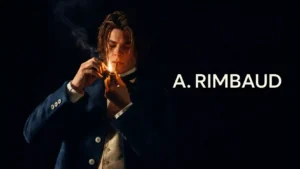
There is not enough comparable review evidence to recommend A. Rimbaud over the other product.
Why these recommendations?
Elsinore
Where It Has the Edge
historical depth is 4.8 vs 4.3. The story places Charleson's achievements within the historical fear, medical uncertainty and societal stigma of the AIDS epidemic.
lead performance is 4.9 vs 4.6. Andrew Scott's layered portrayal of Ian Charleson is the film's overwhelming highlight, moving between wry humor, private terror...
A. Rimbaud
Where It Has the Edge
No clear scored advantage over the other product.
Elsinore4.2 overall score
A. Rimbaud4.2 overall score
Compare features
Scores are out of 5. Missing scores mean missing review evidence, not a missing feature.
Scored on both products
Controls and connectivity
Character appeal
Elsinore
5.0
Charleson's wit, charisma, prickliness and vulnerability make him compelling company instead of a one-note symbol of tragedy.
A. Rimbaud
1.0
Rimbaud’s self-absorption can become grating despite his brilliance. Anyone needing an immediately likable central figure may struggle.
Audience appeal
Elsinore
4.5
The central performance has broad appeal beyond theater specialists, although the intense grief and prestige-biopic style won't suit everyone.
A. Rimbaud
2.5
The daring format can be absorbing, but its demanding length and difficult central figure narrow its appeal. It is unlikely to satisfy viewers seeking an easy historical drama.
Other features
Runtime
Elsinore
4.5
A compact narrative keeps Charleson's final months moving, though its compressed ending may leave viewers wanting longer passages from Hamlet.
A. Rimbaud
2.0
At 175 minutes, the solo presentation is a significant commitment. Some find the visual invention sustains it, while others would cut an hour or add an intermission.
Score quality
Elsinore
2.7
Stefan Gregory's music is stirring for some, but its insistent swells and overt emotional cues are among the film's most persistent criticisms.
A. Rimbaud
5.0
Dan Schlosberg’s music supplies both dramatic energy and the film’s invisible supporting characters. Its orchestration is a standout element.
Narrative structure
Elsinore
2.6
Life and stage performance are woven together in an ambitious structure, but abrupt temporal leaps and repeated montages can obscure rather than clarify.
A. Rimbaud
4.4
A straightforward life chronology sits inside a boldly experimental visual design. The later-life shift and formal motifs impress some, but others wish the presentation changed more decisively as Rimbaud ages.
Directing quality
Elsinore
3.0
Simon Stone earns praise for making the theater world feel lived-in and emotionally immediate, but his emphatic direction and hurried montages frustrate several critics.
A. Rimbaud
4.6
Patrick Wang turns shoestring restrictions into a distinct cinematic language. The bold control impresses many, although some believe the experiment runs past its natural length.
Cinematography
Elsinore
3.4
The National Theatre architecture and intimate close-ups have admirers, while others find the handheld shooting and muted gray imagery drab or distracting.
A. Rimbaud
4.9
Close-ups, 35mm texture and meticulous framing make a bare stage feel unusually expressive. The camera repeatedly discovers new visual possibilities in very little physical space.
Dialogue quality
Elsinore
3.0
The dialogue carries sharp theatrical banter but can also spell out its themes too explicitly, occasionally doing work that the performances have already achieved.
A. Rimbaud
4.5
The language retains a poetic rhythm, especially in the translated verse and letters. Some of the monologues become exhausting even as their phrasing remains artful.
Editing quality
Elsinore
3.0
Intercutting between Hamlet and hospital scenes can feel inspired and moving, but many critics find the late montages rushed, choppy or manipulative.
A. Rimbaud
4.5
Unusual cutting patterns animate the single performer, and the editing provides moments of energy even for those who find the film too long.
Writing quality
Elsinore
3.8
Stephen Beresford's screenplay explores artistic purpose, mortality and the cost of secrecy with feeling. Some find its biopic conventions and on-the-nose dialogue overly calculated.
A. Rimbaud
5.0
The script and reworked English poetry show a precise ear for rhythm and literary personality. A staged version of the poems’ creative process is especially impressive.
Ending satisfaction
Elsinore
3.8
The culminating Hamlet performances and final scenes can be overwhelming in the best way. For others, dense crosscutting and overt sentiment dilute the climax.
A. Rimbaud
5.0
The conclusion connects the poet’s earlier and later selves in an affecting final image. Its echoes of the opening give the formal journey a sense of purpose.
Biographical coverage
Elsinore
3.9
Focusing on Charleson's last months brings his determination and relationships into sharp focus, rather than attempting a cradle-to-grave account.
A. Rimbaud
5.0
Unlike shorter portraits that focus on youthful scandal, this follows the poet into his later work as a merchant. That second chapter gives the life story unusual scope and, for some, its richest material.
Genre satisfaction
Elsinore
3.9
A deeply felt theatrical drama, especially strong for the acting, but responses diverge on whether its craft matches its ambition.
A. Rimbaud
3.0
This is a formally audacious biopic rather than a conventional historical recreation. The unusual craft is rewarding, though the long, isolating design can be tiring.
Plot clarity
Elsinore
2.8
Some scenes make the real-life journey vivid without overexplaining, but gaps around the National Theatre production and changing timelines leave others disoriented.
A. Rimbaud
2.0
The abrupt shift from poetry to commerce remains hard to understand, and some important aspects of the poet’s public life feel underexplained.
Emotional impact
Elsinore
4.3
Charleson's determination and fading health lead to a profoundly emotional experience, often balanced by humor. Some viewers may find the emotional pressure excessively managed.
A. Rimbaud
5.0
The solitary presentation eventually makes age, estrangement and mortality feel intimate. Several of the strongest moments arrive in the final act.
Theme depth
Elsinore
4.7
The drama thoughtfully links the meaning of a life, artistic legacy, mortality, and public visibility during the AIDS crisis. Its symbolic parallels sometimes feel too obvious.
A. Rimbaud
4.0
The film explores the relationship between language, isolation, artistic creation and an uneasy adult compromise with society.
Biographical depth
Elsinore
4.3
Charleson's contradictory personality and final months make an intimate portrait, though a few viewers want more of his earlier life and deeper explanations of his ambitions.
A. Rimbaud
3.6
Rimbaud emerges as a restless, contradictory figure whose life shifts from poetry to trade. The fuller picture is rewarding, though his motivation and relationship with the public remain unclear for some.
Artistic process and theater authenticity
Elsinore
4.6
Rehearsals, backstage friendships and the rhythms of a working theater are among the most persuasive parts of the film. Some wish it spent more time on the uninterrupted craft of performance.
A. Rimbaud
4.0
The black-box setting makes a poet’s creative imagination feel theatrical without losing the close detail of cinema. The stylized treatment rewards an interest in performance and artistic experimentation.
Historical depth
Elsinore
4.8
The story places Charleson's achievements within the historical fear, medical uncertainty and societal stigma of the AIDS epidemic.
A. Rimbaud
4.3
The merchant years bring questions of empire, administration and the poet’s compromised ambitions into view. They make the history feel more complex than a simple celebration of genius.
Literary homage
Elsinore
4.7
Shakespeare's soliloquies echo Charleson's fight to keep creating, giving the theater scenes a resonance beyond literary quotation.
A. Rimbaud
5.0
The filmmaking tries to embody the mischief, sound and imaginative leaps of Rimbaud’s writing rather than merely illustrating his life.
Character development
Elsinore
3.7
Scott portrays Charleson as witty, proud, difficult and vulnerable instead of an idealized martyr, although some supporting figures remain sketches.
A. Rimbaud
3.5
The leap from rebellious young poet to practical merchant becomes a central fascination. The change feels meaningful to some but insufficiently explained to others.
Story quality
Elsinore
3.1
The story of an actor spending his final months chasing a dream has tremendous inherent power, although some find the movie's handling of that material too conventional.
A. Rimbaud
3.0
The story of a poetic prodigy turned merchant is intriguing, but his dramatic transformation can remain opaque even when the performance is compelling.
Pacing
Elsinore
2.4
The film often moves briskly through rehearsals and treatment, but the late-stage rush and repeated montage sequences are a recurring stumbling block.
A. Rimbaud
2.3
The movie can be hypnotic when its experiments click, but its circular opening stretch and extended monologues repeatedly draw complaints. Reactions to the slow rhythm vary widely.
Originality
Elsinore
4.8
Focusing on one extraordinary theatrical opportunity offers a fresh angle on an AIDS-era biography, even if the familiar awards-drama structure strikes some as routine.
A. Rimbaud
4.8
Few biopics look or sound like this one-man performance with instrumental conversations. Its extreme formal originality draws some of the film’s most enthusiastic praise.
Symbolism
Elsinore
5.0
Symbolism earns appreciation for its intimate emotional detail and convincing theatrical world.
A. Rimbaud
5.0
Simple objects, shifting light and impossible spaces give the poems suggestive visual form. The spare imagery often carries more meaning than conventional period spectacle.
Performance
Soundtrack quality
Elsinore
3.3
Period pop selections and a memorable Ethel Merman number bring flashes of communal joy, even as the heavier orchestral soundtrack divides opinion.
A. Rimbaud
5.0
Strings, brass and woodwinds animate the spare staging with an expressive musical range that makes the opening and many conversations especially memorable.
Lead performance
Elsinore
4.9
Andrew Scott's layered portrayal of Ian Charleson is the film's overwhelming highlight, moving between wry humor, private terror and the demands of Hamlet with extraordinary conviction.
A. Rimbaud
4.6
Blake Draper is repeatedly singled out for carrying the entire movie and making Rimbaud’s changing temperament convincing. A few find the later scenes less vivid than his youthful energy.
Acting performance
Elsinore
4.9
The performances, especially Andrew Scott's, give the film much of its force. Even critics who dislike the filmmaking recognize the actors' commitment.
A. Rimbaud
5.0
Blake Draper gives an unusually large, detailed performance as Rimbaud across decades. His changing physical and emotional register is a major attraction.
Comfort and build
Visual style
Elsinore
3.1
The severe gray visual palette and imposing National Theatre setting are purposeful, if sometimes lacking the warmth critics wanted.
A. Rimbaud
4.6
The bare black-box imagery is transformed by close-ups, changing backdrops, visual distortions and theatrical light. Some find it continually exhilarating, while others think the novelty eventually fades.
Production design
Elsinore
4.4
The National Theatre emerges as a place of awe and belonging, supported by convincing interiors and period atmosphere; some find sets outside the playhouse less vivid.
A. Rimbaud
4.6
A signpost, a table or a painted suggestion can evoke entire settings on the bare stage. The restraint is inventive, although it asks the audience to fill in much of the world.
Ownership and support
Entertainment value
Elsinore
3.9
Andrew Scott's moving performance and unexpectedly lively humor make this an engaging drama for many. Less enthusiastic viewers feel its manipulative presentation undercuts that appeal.
A. Rimbaud
4.7
For adventurous viewers, the invention and powerful performance make this a standout experience. Even admirers recognize that its unconventional approach demands commitment.
Evidence available for one product
Other features
1980s period recreation
Elsinore
4.8
London's 1989 theater and AIDS-era world feels vividly recreated, from backstage routines to the social texture of the community.
A. RimbaudNo score yet
AIDS crisis portrayal
Elsinore
4.6
The film captures both the fear and stigma of late-1980s AIDS and the humor and care sustaining queer communities. A few critics question whether prestige-drama devices oversimplify the experience.
A. RimbaudNo score yet
Animation quality
ElsinoreNo score yet
A. Rimbaud
5.0
Small animated tricks, including swaying chalk grass and stop-motion-like movement, add visual life without breaking the minimalist setting.
Atmosphere
Elsinore
5.0
The theater's intimidating Brutalist spaces and the intimacy of rehearsals make the setting evocative, though the film's sober visual palette is divisive.
A. RimbaudNo score yet
Cast chemistry
Elsinore
4.0
The give-and-take between Scott, Piper and Colman creates affectionate relationships; less enthusiastic critics wish the supporting figures had more room.
A. RimbaudNo score yet
Casting quality
Elsinore
5.0
The ensemble mixes established British performers with sharply chosen smaller roles, helping the theater community feel like a cohesive circle.
A. RimbaudNo score yet
Colonial-era moral complexity
ElsinoreNo score yet
A. Rimbaud
4.7
The later years complicate the idealized image of a poetic rebel by confronting his role in commerce and colonial systems. The moral ambiguity adds depth without spelling out an easy verdict.
Creative process insight
ElsinoreNo score yet
A. Rimbaud
4.5
Poems are presented as work being invented and reworked rather than simply recited. The presentation encourages a fresh appreciation of how language and images take shape.
Cultural representation
Elsinore
4.5
Cultural representation earns appreciation for its intimate emotional detail and convincing theatrical world.
A. RimbaudNo score yet
Drama quality
Elsinore
4.8
Drama quality earns appreciation for its intimate emotional detail and convincing theatrical world.
A. RimbaudNo score yet
Family dynamics
Elsinore
4.5
Charleson's closest relationships convey warmth and shared vulnerability, and affection between friends gives the illness narrative a human center.
A. RimbaudNo score yet
Family relationships
Elsinore
4.5
Friendships and family bonds offer support and emotional stakes, particularly as the central character grows weaker.
A. RimbaudNo score yet
Forgiveness and reconciliation
Elsinore
3.5
The story offers a moving sense of closure, though one notable reconciliation is a dramatic invention rather than an account of what happened.
A. RimbaudNo score yet
Fourth-wall interaction
ElsinoreNo score yet
A. Rimbaud
4.0
The poet directly addresses and even adjusts the camera, making the viewer feel like a conversational partner. These playful disruptions suit the film’s unusual form.
Genre blending
Elsinore
5.0
The film combines intimate biography, theater performance and historical AIDS drama in ways that can heighten its impact, especially for viewers drawn to artistic stories.
A. RimbaudNo score yet
Humor
Elsinore
4.9
Gallows humor, backstage jokes and affectionate teasing frequently lighten an otherwise devastating account of illness and loss.
A. RimbaudNo score yet
LGBTQ+ representation
Elsinore
4.8
Warmth, gallows humor and tensions over coming out help make its depiction of queer life specific rather than generic.
A. RimbaudNo score yet
Lighting quality
ElsinoreNo score yet
A. Rimbaud
5.0
The lighting supplies changes of place, age, emotion and even poetic imagery where elaborate sets would usually do the work. Its careful color and shadow are a visual highlight.
Literary references
ElsinoreNo score yet
A. Rimbaud
5.0
The literary allusions and careful attention to verse give this a rich intellectual texture. Familiarity with poetry makes many of the film’s formal experiments particularly rewarding.
Loneliness portrayal
ElsinoreNo score yet
A. Rimbaud
5.0
Keeping everyone else offscreen makes Rimbaud’s emotional distance painfully tangible. The missing faces and instrumental voices turn isolation into the movie’s defining dramatic experience.
Makeup quality
ElsinoreNo score yet
A. Rimbaud
5.0
Subtle aging prosthetics help the sole actor move credibly from youth toward illness and premature decline.
Memorability
Elsinore
2.8
Scott's portrait of an actor's final triumph is difficult to forget, even when the surrounding biopic proves less distinctive.
A. RimbaudNo score yet
Message quality
Elsinore
5.0
The film argues that art, community and self-determination can give shape to a life even as it ends. Its inspirational impulses are powerful, if occasionally overstated.
A. RimbaudNo score yet
Minimalist staging
ElsinoreNo score yet
A. Rimbaud
3.8
Sparse props and a black-box stage open up a surprisingly imaginative world. Some find the stripped-down approach liberating, while others feel it becomes monotonous over nearly three hours.
Narrative repetition
ElsinoreNo score yet
A. Rimbaud
2.0
Repeated youthful scenes and monologues sometimes feel recursive rather than cumulative. The film’s intentional patterns can test patience before its later shift.
Poetry presentation
ElsinoreNo score yet
A. Rimbaud
4.0
Verse becomes a physical and cinematic event, with changing light, sound and camera angles. Responses diverge on whether its extended recitations deepen the poetry or make it harder to appreciate.
Poetry translation
ElsinoreNo score yet
A. Rimbaud
5.0
Patrick Wang’s English renderings aim to preserve rhythmic force while making the writing feel immediate. The consistent language gives the spoken poems a distinctive voice.
Sentimental treatment
Elsinore
2.7
Some appreciate the film's willingness to embrace big feelings, while others find its swelling music and orchestrated tears blunt the more truthful moments.
A. RimbaudNo score yet
Shakespeare integration
Elsinore
4.8
Hamlet's questions about death, memory and purpose resonate against Charleson's final performances, though some find the parallels pushed too emphatically.
A. RimbaudNo score yet
Tonal consistency
Elsinore
4.6
Gallows humor and joyous moments offset death and grief for many viewers, while others find abrupt shifts or emphatic climaxes overly engineered.
A. RimbaudNo score yet
Performance
Live performance sequences
Elsinore
4.0
Hamlet rehearsals and stage scenes are a major attraction for theater lovers, though some wish the film would linger longer on complete performances.
A. RimbaudNo score yet
Supporting cast performance
Elsinore
4.5
Olivia Colman, Billie Piper and the wider ensemble are widely admired for their warmth and humanity, though a few critics find supporting characters underwritten or thinly used.
A. RimbaudNo score yet
Controls and connectivity
Musical-instrument dialogue
ElsinoreNo score yet
A. Rimbaud
4.5
Other characters answer Rimbaud through strings, brass and other instruments instead of spoken dialogue. The idea is playful and emotionally expressive, though the constant decoding can become tiring.
Ownership and support
Production value
Elsinore
5.0
Production value earns appreciation for its intimate emotional detail and convincing theatrical world.
A. RimbaudNo score yet
Comfort and build
Sound design
ElsinoreNo score yet
A. Rimbaud
4.0
Ambient sounds help create locations that are barely visible, while instruments replace conversational voices. Some find the aural world brilliant; others wish its background detail had more presence.
Choose this inventive, unsettling documentary for fearless questioning, dark humor, and unpredictable storytelling. Skip it if you want a short, straightforward exposé with definitive answers.
A singular voice, powerful piano playing and intimate film photography make this concert absorbing for receptive listeners. Its uninterrupted, often similar-sounding songs and lack of background context are an acquired...
Extraordinary performances and richly observed relationships make this a rewarding, emotionally forceful drama. Its nearly three-hour length and slow opening demand patience and undivided attention.
Best for a hypnotic, bookish mystery with tactile visuals and cerebral chills. Skip it if reading-heavy, attention-demanding storytelling sounds more exhausting than exciting.