Best for menu usability
Elden Ring: Tarnished Edition
5.0 attribute score
Highest scored product for this attribute based on supporting review evidence.

Highest scored product for this attribute based on supporting review evidence.
Balances the attribute score, supporting reviews, and overall product strength.
Has the broadest review evidence for this attribute.
Strongest overall product among items with scored evidence for this attribute.

Overall: 4.2/5
The recent-items tab is a meaningful quality-of-life improvement, making newly collected lore and gear much easier to track.
Pros: performance optimization, frame rate stability
Cons: controller ergonomics, platform-specific feature support

Overall: 3.9/5
One reviewer specifically praises the character menu as organized and easy to return to between fights.
Pros: combat system, remake/remaster quality
Cons: animation quality, environmental detail
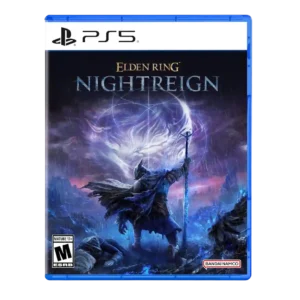
Overall: 3.4/5
Menu usability improved post-launch through better relic filtering options.
Pros: co-op experience, fun factor
Cons: difficulty balance, social features
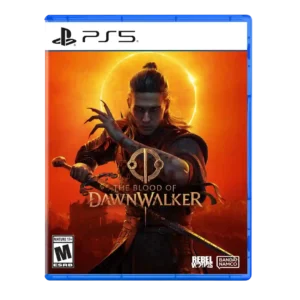
Overall: 4.0/5
Inventory sorting is a welcome quality-of-life improvement and makes item management easier, even though other interface interactions can still be unreliable.
Pros: combat system, fun factor
Cons: content variety, polish
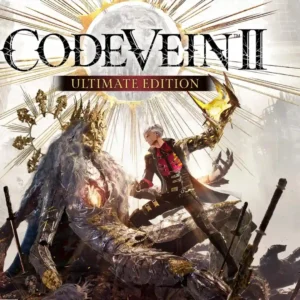
Overall: 3.2/5
The amount of build information can make menus feel busy and MMO-like, and a few interface decisions are called awkward rather than intuitive.
Pros: fun factor, narrative quality
Cons: boss design, exploration quality
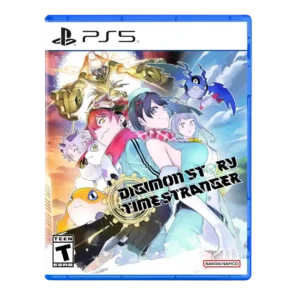
Overall: 3.9/5
Menu usability was a major tradeoff, with streamlining praised but DigiFarm/evolution menu separation and training menuing often criticized.
Pros: progression system, narrative quality
Cons: pacing, content variety

Overall: 3.8/5
Menu changes can make the game feel more modern, but equipment comparisons are limited and some screens waste space. Boost settings may also take time to discover.
Pros: remake/remaster quality, combat system
Cons: graphics quality, controls responsiveness

Overall: 4.0/5
Menu usability is mixed to negative because the lobby hub often replaces a straightforward menu and makes simple mode selection feel cumbersome.
Pros: combat system, accessibility options
Cons: narrative quality, matchmaking quality

Overall: 3.7/5
Menu impressions are mixed: new item indicators can help, but build management, DLC claiming, and some older interfaces are still cumbersome.
Pros: narrative quality, combat system
Cons: remake/remaster quality, value for money

Overall: 3.6/5
Nested menus, inconsistent back-button behavior, and awkward selection make routine actions harder than they should be. A minority finds goals easy to follow despite the amount happening.
Pros: overall quality, faithfulness to franchise
Cons: pacing, narrative quality
Overall: 3.7/5
Menu usability was a frequent pain point, including equipment-change friction, icon-heavy menus, and odd town-only management decisions.
Pros: combat system, companion AI
Cons: open-world design, movement feel
Overall: 3.8/5
Online menus are repeatedly described as slow, layered, or confusing, adding friction before players reach the action.
Pros: narrative quality, fun factor
Cons: dialogue quality, difficulty balance