Best for Energy efficiency
Bluesound Pulse Flex P130
5.0 attribute score
Highest scored product for this attribute based on supporting review evidence.

Highest scored product for this attribute based on supporting review evidence.
Balances the attribute score, supporting reviews, and overall product strength.
Has the broadest review evidence for this attribute.
Strongest overall product among items with scored evidence for this attribute.
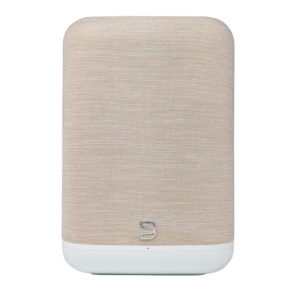
Deep standby is an unusually thoughtful touch, cutting idle power use to a very low level instead of leaving the Wi-Fi speaker fully awake.
Pros: Design and aesthetics, Overall product quality
Cons: Bass performance, Stereo imaging accuracy

Extended playback produces little heat and avoids battery-management overhead. The plug-in design gives the speaker consistent power during long listening sessions.
Pros: Overall sound quality, Design and aesthetics
Cons: Value for money, Overall product quality
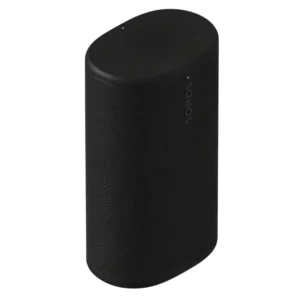
Battery Saver mode is highly effective in standby, with one test losing only about 1% charge over 24 hours off the dock.
Pros: Overall sound quality, Overall satisfaction
Cons: Price / value for money, App reliability

ECO mode lowers standby consumption while still allowing Bluetooth wake, so the energy-saving setting does not remove everyday convenience.
Pros: Stereo imaging accuracy, Aesthetic design / Finish options
Cons: Smart features, EQ customization

Power consumption was described as reasonable, including very low draw in Eco standby.
Pros: Overall product quality, Overall sound quality
Cons: Value for money, Video passthrough support
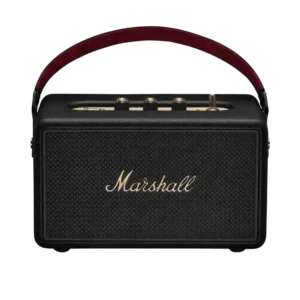
Energy efficiency is supported by one review's observation that the major runtime gain comes from surprisingly small battery-capacity growth.
Pros: Design and aesthetics, Battery life (if portable)
Cons: Weight convenience, Inter-speaker connectivity
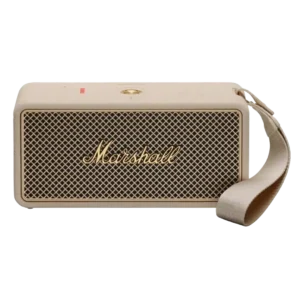
LC3 support was praised for reducing energy use while maintaining good audio performance. That gives the newer Bluetooth implementation a modest efficiency advantage.
Pros: Overall sound quality, Battery life (if portable)
Cons: Price / value for money, Weight convenience

Efficiency improvements are a welcome part of the redesign, with low power use reported during normal playback.
Pros: Bass performance, Overall sound quality
Cons: Google, Wired input

Energy efficiency was positively evaluated by one reviewer who said testing supported Sonos' efficiency claim.
Pros: Frequency response balance, Battery life (if portable)
Cons: Price / value for money, Weight convenience
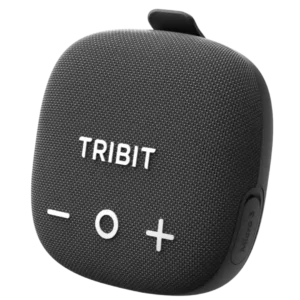
Energy efficiency evidence was positive, with one reviewer noting the battery barely moves after hours at moderate indoor volume.
Pros: Magnetic mounting, Frequency response balance
Cons: Backwards compatibility, Distortion at high volume

One reviewer connects Bluetooth 5.3 with better power efficiency.
Pros: Handle or strap quality, EQ customization
Cons: Frequency response balance, Stereo imaging accuracy
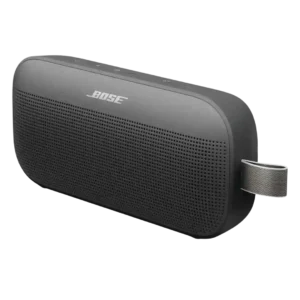
Energy efficiency was positive in the one review that noted standby behavior, saying the speaker avoids unnecessary battery drain.
Pros: Design and aesthetics, Frequency response balance
Cons: Battery life (if portable), Distortion at high volume
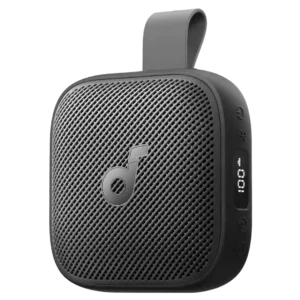
Eco-oriented runtime was praised for stretching battery life substantially, though it trades away lighting and some bass energy.
Pros: Loudness / maximum volume, Drop resistance durability
Cons: Microphone, Speakerphone quality
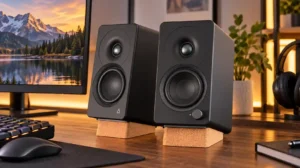
The energy-saving setting is positively recommended in the introductory setup video.
Pros: Placement footprint, speaker size
Cons: HDMI ARC, HDMI ARC support
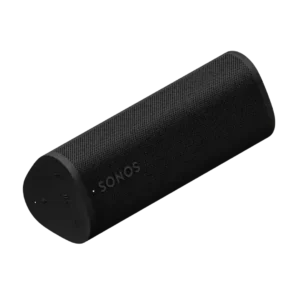
Energy-saving behavior was viewed positively through sleep and battery-conservation features that help preserve charge between uses.
Pros: Frequency response balance, Setup simplicity
Cons: Battery life (if portable), App reliability
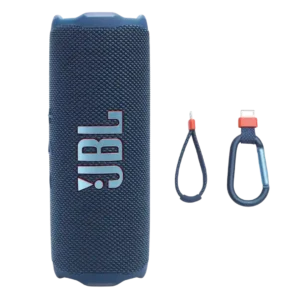
Energy-related evidence centers on USB-C not draining the source device and Playtime Boost extending battery while reducing sound quality.
Pros: Frequency response balance, Battery life (if portable)
Cons: Backwards compatibility, Stereo imaging accuracy
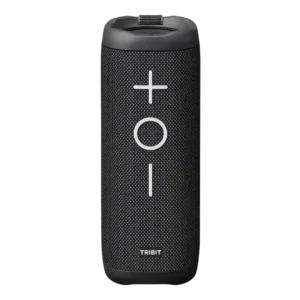
One reviewer noted that higher volume drains the battery quickly, limiting efficiency when the speaker is pushed.
Pros: Value for money, Frequency response balance
Cons: Distortion at high volume, Handle or strap quality

Playtime Boost can extend runtime by reducing low-frequency output, but reviewers often dislike the resulting sound. A few find the tradeoff practical for background listening or emergency endurance, while others...
Pros: Overall satisfaction, Overall sound quality
Cons: Energy efficiency, Microphone

Playtime Boost helps battery life but is criticized for reducing bass and compressing the sound.
Pros: Frequency response balance, Loudness / maximum volume
Cons: Weight convenience, Lighting effects

Energy-saving Playtime Boost was useful for extra run time but often criticized for stripping bass or reducing sound quality.
Pros: Frequency response balance, Battery life (if portable)
Cons: Price / value for money, Value for money

The speaker can feel warm even while idle, raising a concern about unnecessary standby energy use.
Pros: Overall sound quality, Smart features
Cons: Value for money, On-device controls
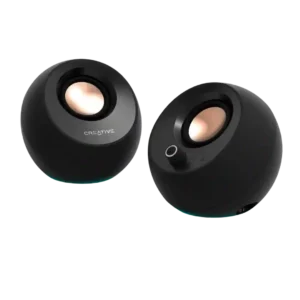
Computer-powered operation is convenient, but the expert review describes it as less power-efficient than using the dedicated higher-power path.
Pros: Overall sound quality, Value for money
Cons: Amplifier power requirements, Wired input
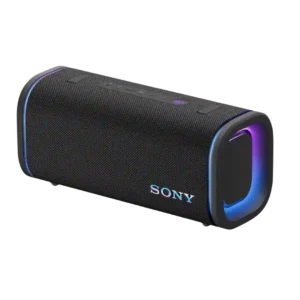
Party lighting is the clearest energy-efficiency complaint because it can sharply reduce playback time.
Pros: Loudness / maximum volume, Battery life (if portable)
Cons: Voice clarity, Stereo imaging accuracy

Playtime Boost can extend runtime by roughly two hours, but it does so by reducing bass and flattening the sound. Reviewers generally treat it as an emergency setting rather than...
Pros: Music performance, Battery life (if portable)
Cons: Lighting effects, Charging cable inclusion