#1
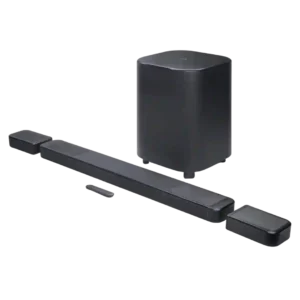
Surround performance is highly convincing because real rear speakers create genuine wraparound effects; upmixing can also add useful ambience to stereo TV.
Pros: Rear speaker versatility, Overall product quality
Cons: Size and TV fit, Gaming HDMI passthrough
#2
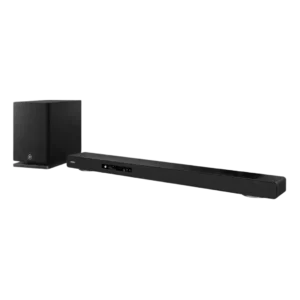
Surround performance is a major strength, with precise movement, discrete rear separation, and convincing room-filling immersion. Surround:AI can improve placement, though one tester preferred Straight mode because upmixing sometimes sounded...
Pros: Home theater integration, Overall product quality
Cons: Value for money, Small-room suitability
#3
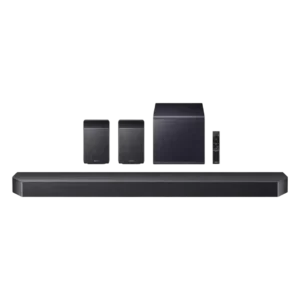
Surround presentation is the product’s strongest consensus area, with reviewers praising immersion, positioning, and a convincing sound bubble; one review found rear speakers weaker under stress.
Pros: Value for money, Surround sound simulation
Cons: Status indicators, Wi-Fi streaming reliability
#4

For a single bar, surround simulation is frequently impressive, enveloping, and spatially convincing, with strong left-right movement and some rear illusion. Physical rear speakers still win for true behind-the-listener placement,...
Pros: Overall product quality, Overall sound quality
Cons: Value for money, Video passthrough support
#5
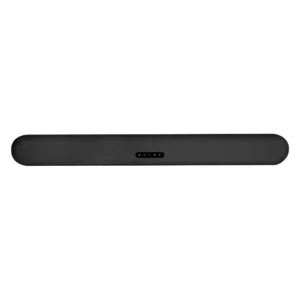
Surround performance was generally convincing for a single bar or expanded system, though some comments still reflect the limits of simulated or front-originating surround.
Pros: Dialogue clarity (for TV/soundbar use), Subwoofer
Cons: EQ customization, AI Room Calibration
#6
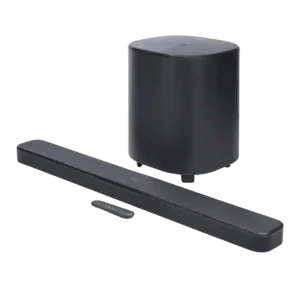
Surround simulation was widely praised for creating an immersive field without rear speakers, with caveats that the effect is still virtual and room-dependent.
Pros: Dialogue clarity (for TV/soundbar use), Surround sound simulation
Cons: App reliability, Audio format support
#7

Virtual surround is convincing for a compact bar but not fully enveloping. Reviewers like the width and spatial bubble while acknowledging the limits of two-channel virtualization.
Pros: App reliability, Subwoofer
Cons: Remote control usability, Value for money
#8
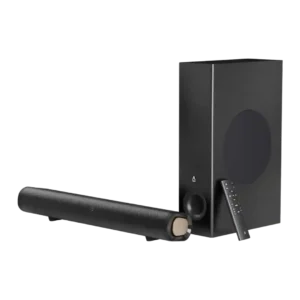
SuperWide and surround simulation are useful but imperfect; reviewers liked the wider, more immersive effect, while also noting lost definition, gimmickry, or fake-Atmos limits.
Pros: Value for money, Surround sound simulation
Cons: Stereo imaging accuracy, Smart features
#9

Horizontal width and motion are often excellent, but full wraparound immersion is inconsistent. Without rear speakers or dedicated height channels, some listeners still hear the action as coming mainly from...
Pros: Design and aesthetics, Overall sound quality
Cons: Value for money, App reliability
#10
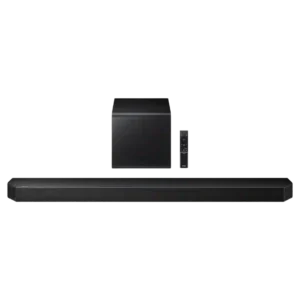
Virtual surround can create a convincing sense of space, but it remains front-led without dedicated rears. Some listeners find it acceptable or immersive, while one owner found the surround effect...
Pros: Overall product quality, Overall sound quality
Cons: Bass performance, Surround sound simulation
#11
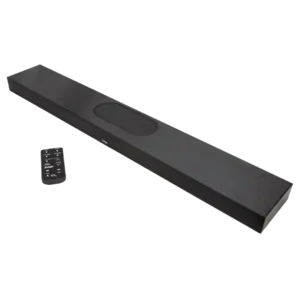
The surround modes add some width and fullness, but they are not a substitute for a true theater system. Higher surround settings can also reduce the voice clarity that makes...
Pros: Dialogue clarity (for TV/soundbar use), Overall product quality
Cons: TV connection stability, Reliability
