#1

As a home-theater package, the system earns very high marks for delivering real surround, strong bass and a clean install without a receiver or permanently wired rears.
Pros: Rear speaker versatility, Overall product quality
Cons: Size and TV fit, Gaming HDMI passthrough
#2
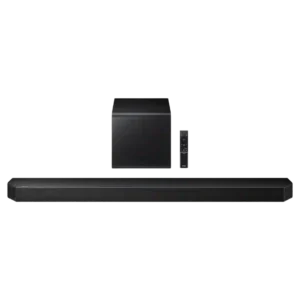
Samsung TV integration is a major strength. Q-Symphony is repeatedly described as easy to use and capable of making the presentation larger, richer, and more theater-like.
Pros: Overall product quality, Overall sound quality
Cons: Bass performance, Surround sound simulation
#3
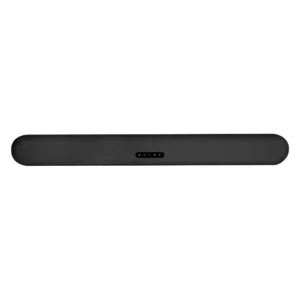
Home theater integration was a strength thanks to BluOS, HDMI eARC, whole-home streaming, custom-install support, and expandable surround options.
Pros: Dialogue clarity (for TV/soundbar use), Subwoofer
Cons: EQ customization, AI Room Calibration
#4
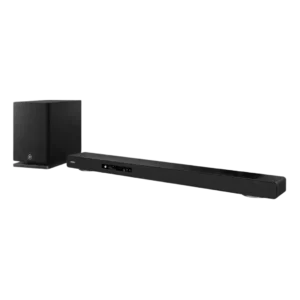
As a wireless alternative to an AVR and separate speaker package, the system is highly convincing. The bar, sub, and true rear channels create theater-like scale with far less wiring,...
Pros: Home theater integration, Overall product quality
Cons: Value for money, Small-room suitability
#5
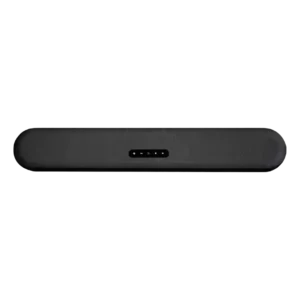
Home theater expansion is a big part of the appeal. Reviewers like that the Mini can grow with wireless surrounds, a subwoofer, and wider BluOS systems.
Pros: App reliability, Subwoofer
Cons: Remote control usability, Value for money
#6
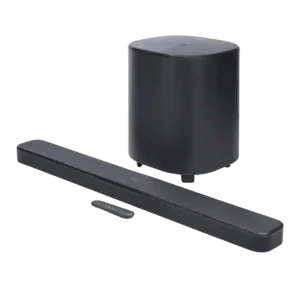
Home theater integration was praised for balancing cinema-like sound with convenience and for lifting TV sound without adding clutter.
Pros: Dialogue clarity (for TV/soundbar use), Surround sound simulation
Cons: App reliability, Audio format support
#7
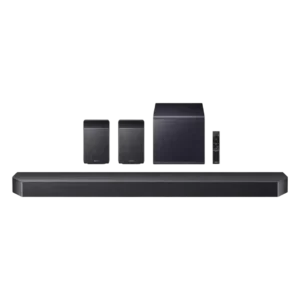
Home theater integration is a core strength, especially with Samsung TVs/Q-Symphony, but the four-piece system can feel like clutter and Q-Symphony results vary.
Pros: Value for money, Surround sound simulation
Cons: Status indicators, Wi-Fi streaming reliability
#8
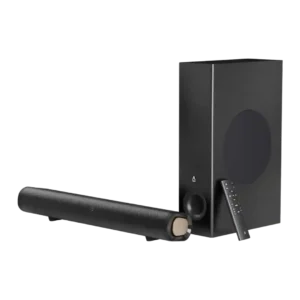
Home theater integration works best in small rooms, desktops, bedrooms, or dens; reviewers consistently warn it is not ideal for large rooms or big TVs.
Pros: Value for money, Surround sound simulation
Cons: Stereo imaging accuracy, Smart features
#9

The XIO is formidable as a one-box home-theater solution, but current expansion is limited by the absence of dedicated wireless surrounds. That makes it less flexible than ecosystems built around...
Pros: Overall product quality, Overall sound quality
Cons: Value for money, Video passthrough support
#10

The Heston 60 works well as a compact one-box TV solution, but its home-theater ecosystem is less expandable than rivals because rear channels are not supported.
Pros: Design and aesthetics, Overall sound quality
Cons: Value for money, App reliability
#11
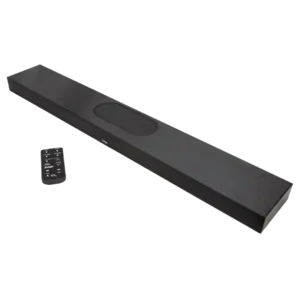
It works for everyday TV viewing, but its limited bass, music performance, and spatial impact keep it from delivering a true home-theater experience.
Pros: Dialogue clarity (for TV/soundbar use), Overall product quality
Cons: TV connection stability, Reliability
