#1

Format support is a major strength, covering the leading immersive formats and high-resolution playback without leaving meaningful gaps for typical movie or music use.
Pros: Overall product quality, Overall sound quality
Cons: Value for money, Video passthrough support
#2

DTS:X support is treated as a meaningful advantage alongside Dolby Atmos, giving disc and movie fans broad immersive-format coverage.
Pros: Rear speaker versatility, Overall product quality
Cons: Size and TV fit, Gaming HDMI passthrough
#3
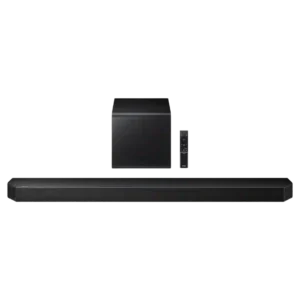
Format support is broad and includes major immersive options such as Dolby Atmos and DTS:X, contributing to the Q800F’s strong home-theater feature set.
Pros: Overall product quality, Overall sound quality
Cons: Bass performance, Surround sound simulation
#4
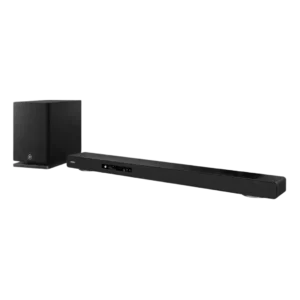
Format support is exceptionally broad, including Dolby Atmos, DTS:X, and the unusual addition of Auro-3D. Several tests singled out Auro-3D and high-resolution playback as differentiating strengths.
Pros: Home theater integration, Overall product quality
Cons: Value for money, Small-room suitability
#5

Support for both Dolby Atmos and DTS:X is a meaningful strength, especially against compact rivals that omit DTS:X.
Pros: Design and aesthetics, Overall sound quality
Cons: Value for money, App reliability
#6
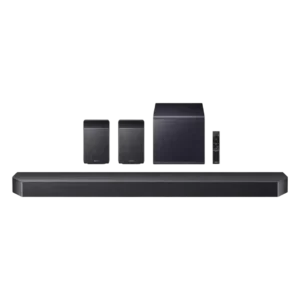
Audio format support is broad and positively framed, covering mainstream immersive formats and newer support without major reviewer concern.
Pros: Value for money, Surround sound simulation
Cons: Status indicators, Wi-Fi streaming reliability
#7
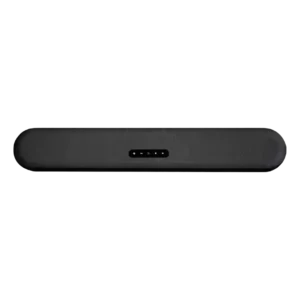
Format support is broad for hi-res and Dolby sources, but not flawless. Reviewers appreciate the compatibility while repeatedly pointing out missing DTS and limited native Atmos music support.
Pros: App reliability, Subwoofer
Cons: Remote control usability, Value for money
#8
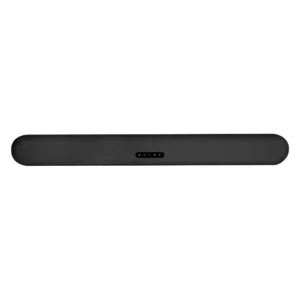
Format support was mixed: reviewers praised hi-res, lossless, and Dolby Atmos support but criticized no DTS:X and no native Dolby Atmos Music in BluOS.
Pros: Dialogue clarity (for TV/soundbar use), Subwoofer
Cons: EQ customization, AI Room Calibration
#9
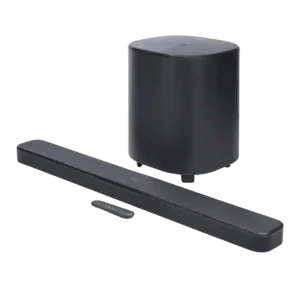
Audio format support was mixed: Dolby Atmos and DTS Virtual X support helped immersion, but one review cited no DTS support.
Pros: Dialogue clarity (for TV/soundbar use), Surround sound simulation
Cons: App reliability, Audio format support
#10
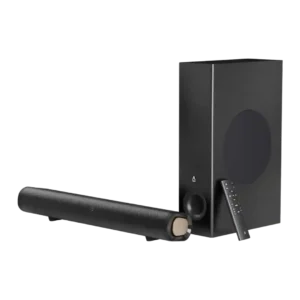
Audio format support is serviceable for the price, with Dolby Digital/Plus noted, but reviewers repeatedly call out missing Atmos and eARC-related limits.
Pros: Value for money, Surround sound simulation
Cons: Stereo imaging accuracy, Smart features
#11

Support for immersive formats is limited because the bar lacks Dolby Atmos and DTS:X.
Pros: Dialogue clarity (for TV/soundbar use), Overall product quality
Cons: TV connection stability, Reliability
