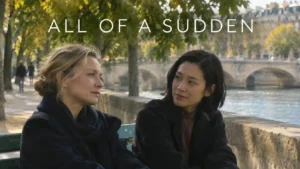
Overall: 4.4/5
Fluid editing allows the conversations and intertwined performances to flow naturally.
Pros: friendship portrayal, message quality
Cons: Exposition quality, ensemble balance

Overall: 4.4/5
Fluid editing allows the conversations and intertwined performances to flow naturally.
Pros: friendship portrayal, message quality
Cons: Exposition quality, ensemble balance
Overall: 4.2/5
The editing creates sharp shifts between open-space unease and claustrophobic danger while keeping the story compact. Its timing helps uncertainty linger whenever a familiar face appears.
Pros: acting performance, chemistry between characters
Cons: originality, pacing
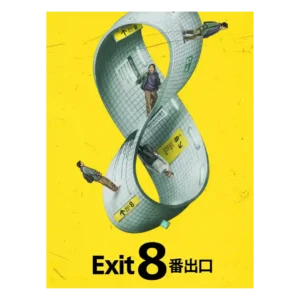
Overall: 4.2/5
Seamless loops, hidden cuts, brisk transitions, and perspective changes make the corridor feel physically continuous while preventing the structure from becoming completely static.
Pros: story quality, theme depth
Cons: pacing
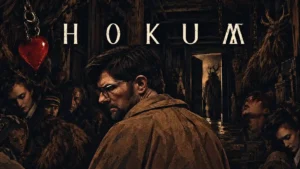
Overall: 4.1/5
The editing supports the film’s visual craft and, in its strongest sequences, coordinates precisely with sound and design. That timing helps familiar scare setups retain their impact.
Pros: acting performance, lead performance
Cons: pacing, story quality
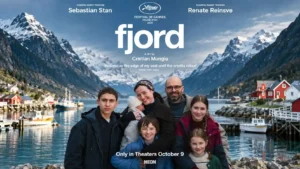
Overall: 3.8/5
Sharp editing is credited with bringing the visual work and moral tension into a coherent whole.
Pros: theme depth, lead performance
Cons: message quality, character development
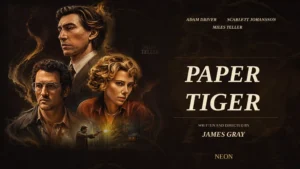
Overall: 4.1/5
The film’s deliberate editing occasionally makes two hours feel satisfyingly compact, while others wish several heavy stretches had been shortened.
Pros: suspense, cinematography
Cons: Medical subplot integration, originality

Overall: 3.3/5
Editing is generally praised for propulsive cross-cutting and action clarity, though at least one reviewer thinks tighter cutting could reduce overextended passages.
Pros: action sequences, humor
Cons: CGI quality, ending satisfaction