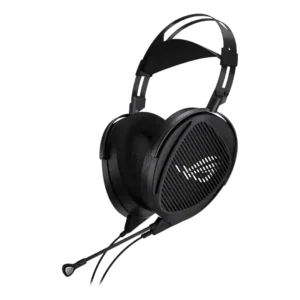
The analog plug-and-play design requires no Armoury Crate or other app. That simplicity appeals to purists but removes built-in EQ, RGB, and surround controls.
Pros: Overall satisfaction, Sound quality
Cons: Microphone, Headband adjustability

The analog plug-and-play design requires no Armoury Crate or other app. That simplicity appeals to purists but removes built-in EQ, RGB, and surround controls.
Pros: Overall satisfaction, Sound quality
Cons: Microphone, Headband adjustability
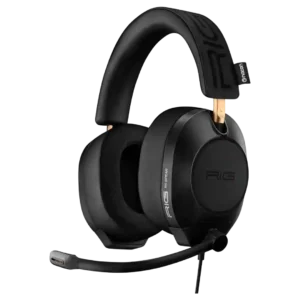
Setup simplicity was excellent because reviewers emphasized plug-and-play use and no required software.
Pros: Sound quality, Value for money
Cons: Button control usability, Dongle
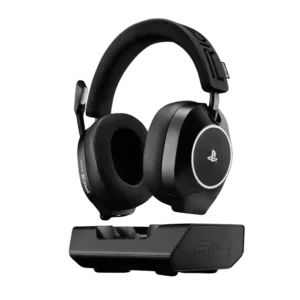
Setup was praised as fast and nearly instant, especially with the dock and USB-C dongle.
Pros: Sound quality, Included stand quality
Cons: Detachable microphone convenience
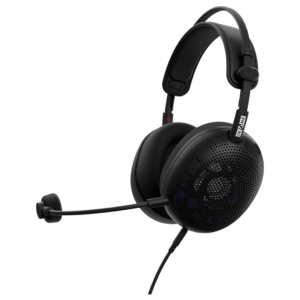
Setup was simple overall, with no account or app required for basic use, but software-stored settings had some restrictions.
Pros: Sound quality, Microphone
Cons: Microphone noise reduction, Spatial audio
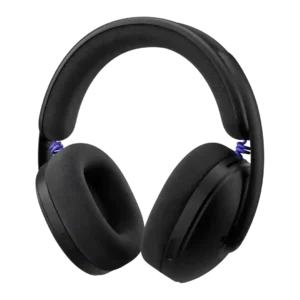
Setup and software simplicity was mixed, with plug-and-play praise offset by one annoying PC setup experience and basic software comments.
Pros: Comfort during long use, Design and Aesthetics
Cons: Build quality, Microphone
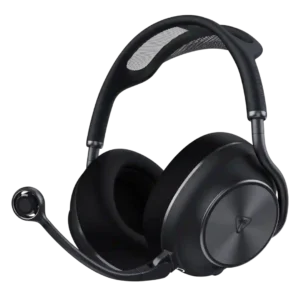
Basic pairing and source switching are often instant and intuitive out of the box. Firmware updates, first-time CrossPlay configuration, and Swarm II detection caused serious friction for a notable minority.
Pros: Overall satisfaction, Sound quality
Cons: Weight comfort, Stability
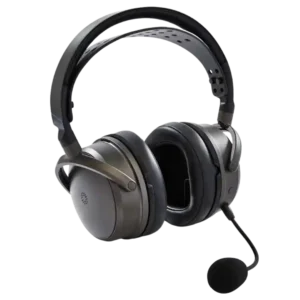
Basic pairing and setup can be straightforward, but firmware, dongle modes, and app recognition introduce friction for some owners. The experience ranges from plug-and-play to surprisingly convoluted when troubleshooting is...
Pros: Overall satisfaction, Sound quality
Cons: Weight comfort, Comfort during long use