#1
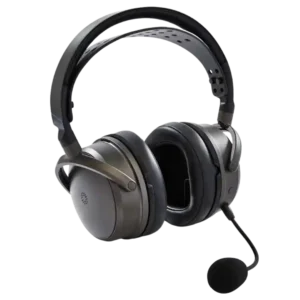
Separation is a standout strength: individual effects, voices, and musical layers remain distinct even when the mix gets chaotic. That clarity is especially useful for competitive shooters and dense music.
Pros: Overall satisfaction, Sound quality
Cons: Weight comfort, Comfort during long use
#2
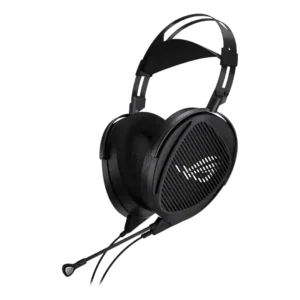
Layering, detail retrieval, and frequency separation are major strengths. Busy game scenes, instruments, dialogue, and subtle environmental sounds remain easy to distinguish.
Pros: Overall satisfaction, Sound quality
Cons: Microphone, Headband adjustability
#3
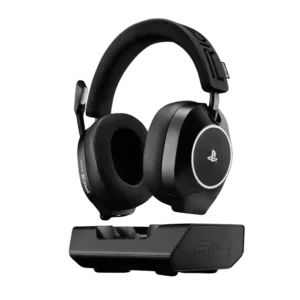
Reviewers heard strong separation and detail, especially in chaotic game audio where cheaper headsets can become muddy.
Pros: Sound quality, Included stand quality
Cons: Detachable microphone convenience
#4
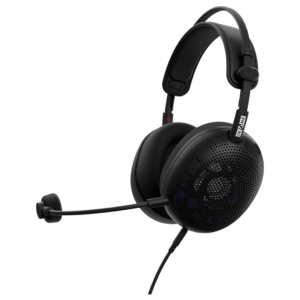
Instrument separation was often strong, especially for music, but one reviewer found dense battle scenes required more effort to parse.
Pros: Sound quality, Microphone
Cons: Microphone noise reduction, Spatial audio
#5
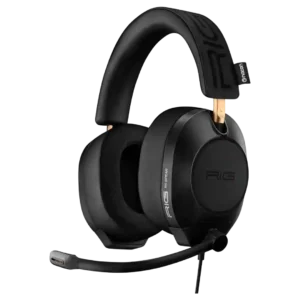
Layered audio was praised in one review, which described a rich soundscape with separated layers when using the DAC.
Pros: Sound quality, Value for money
Cons: Button control usability, Dongle
#6
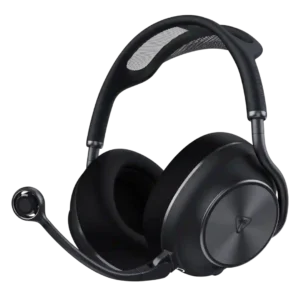
The dual drivers usually keep layered effects, music, and ambience distinct, even in busy shooters. Separation can become less convincing in chaotic battle-royale mixes or beside strong open-back and planar...
Pros: Overall satisfaction, Sound quality
Cons: Weight comfort, Stability
#7
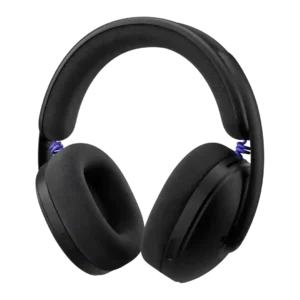
Detail separation was mixed, with one reviewer hearing new small details, another praising clean soundscapes, and another finding subtle details mushy.
Pros: Comfort during long use, Design and Aesthetics
Cons: Build quality, Microphone
