#1
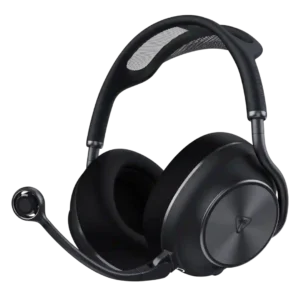
The Xbox model offers the broadest native compatibility, while the PC/PlayStation model cannot connect to Xbox. Game/chat mixing and certain codecs are also tied to the selected version, creating avoidable...
Pros: Overall satisfaction, Sound quality
Cons: Weight comfort, Stability
#2
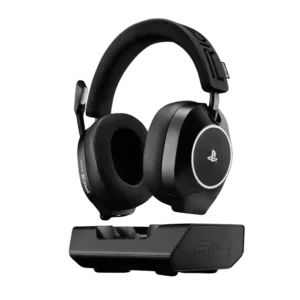
Console limitations centered on having to choose PS5 or Xbox versions and one reviewer’s lower PlayStation volume experience.
Pros: Sound quality, Included stand quality
Cons: Detachable microphone convenience
#3
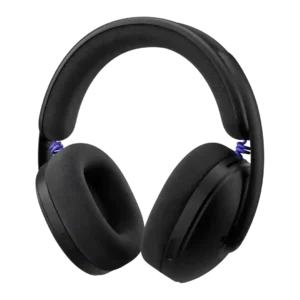
Console compatibility had an Xbox caveat in one review because the Lightspeed dongle was said not to work on Xbox consoles.
Pros: Comfort during long use, Design and Aesthetics
Cons: Build quality, Microphone
#4
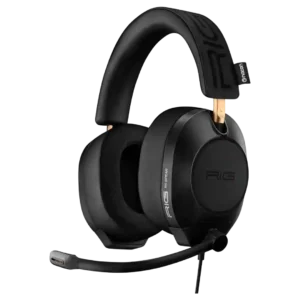
Console use had a notable DAC limitation in one review, where PlayStation use produced a volume decrease instead of a benefit.
Pros: Sound quality, Value for money
Cons: Button control usability, Dongle
#5
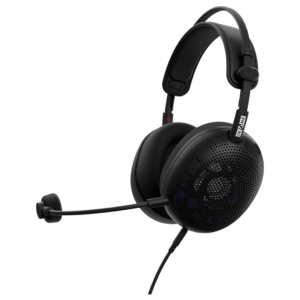
One console test found the USB audio box and microphone behavior on PlayStation could be unreliable.
Pros: Sound quality, Microphone
Cons: Microphone noise reduction, Spatial audio
#6
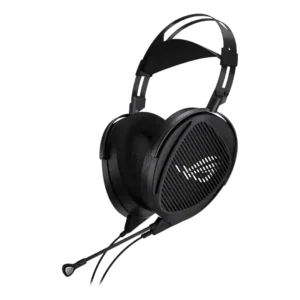
Console support is not fully plug-and-play: PlayStation mic use may require USB-C, controllers can sound underpowered, and Xbox microphone support is the biggest gap.
Pros: Overall satisfaction, Sound quality
Cons: Microphone, Headband adjustability
#7
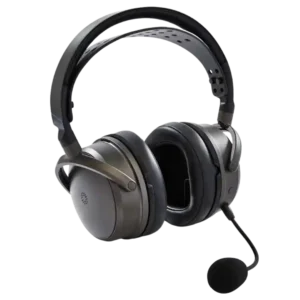
Console support depends on buying the correct version, and some controls do not work identically everywhere. PlayStation game/chat mixing and cross-console wireless restrictions are the most notable limitations.
Pros: Overall satisfaction, Sound quality
Cons: Weight comfort, Comfort during long use
