#1
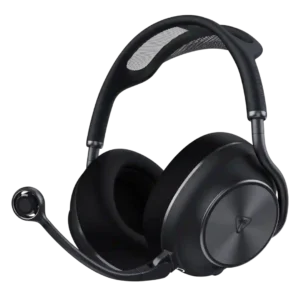
AI processing and noise-gate controls can reduce keyboards, chatter, and machinery without heavily damaging speech. It is not always aggressive enough, and some reviewers prefer it off because it flattens...
Pros: Overall satisfaction, Sound quality
Cons: Weight comfort, Stability
#2
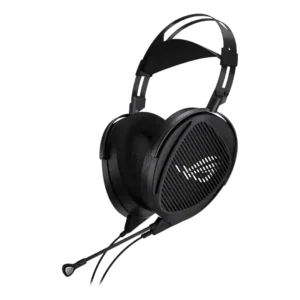
Hardware noise rejection works well in several tests without software processing, especially against steady background noise and keyboards. Other users report substantial room pickup, so placement and environment matter.
Pros: Overall satisfaction, Sound quality
Cons: Microphone, Headband adjustability
#3
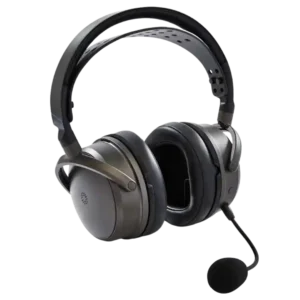
FILTER noise reduction can suppress keyboards and loud background sounds effectively, especially on lower settings. Stronger processing can raise volume, clip, compress, or robotize the voice, so the best setting...
Pros: Overall satisfaction, Sound quality
Cons: Weight comfort, Comfort during long use
#4
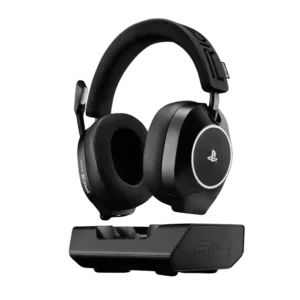
The mic isolates by directional pickup rather than AI noise cancellation, so boom position matters.
Pros: Sound quality, Included stand quality
Cons: Detachable microphone convenience
#5
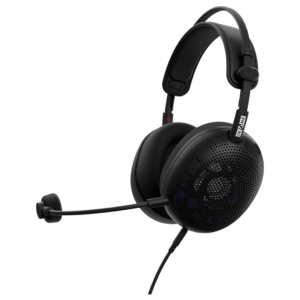
Microphone noise handling was mixed: some reviews praised decent rejection, while others said it picked up environmental noise easily.
Pros: Sound quality, Microphone
Cons: Microphone noise reduction, Spatial audio
#6
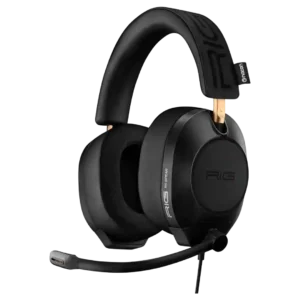
Microphone noise handling was a recurring weakness because background noise could be picked up, though one reviewer credited the mic design with some analog reduction.
Pros: Sound quality, Value for money
Cons: Button control usability, Dongle
#7
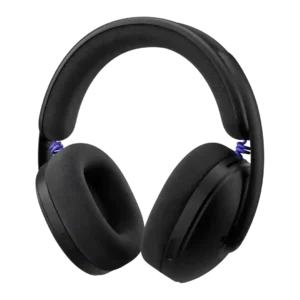
Microphone noise reduction disappointed reviewers who noted background noise or said software could not fix the low-quality mic.
Pros: Comfort during long use, Design and Aesthetics
Cons: Build quality, Microphone
