#1
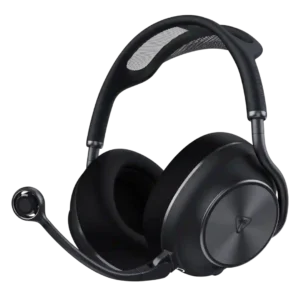
CrossPlay switching, dual wireless audio, and optional transmitters make the headset exceptionally flexible across rooms and systems. Extra dongles cost more, only one 2.4GHz stream plays at a time, and...
Pros: Overall satisfaction, Sound quality
Cons: Weight comfort, Stability
#2
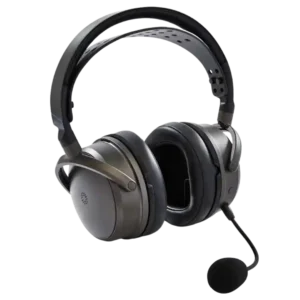
The Maxwell 2 covers USB-C dongle, Bluetooth, USB wired, and 3.5mm analog use across many device types. That flexibility is excellent, although the rules for combining sources are more restrictive...
Pros: Overall satisfaction, Sound quality
Cons: Weight comfort, Comfort during long use
#3
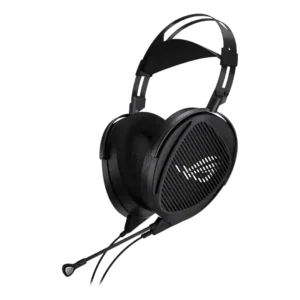
The swappable 3.5mm, 4.4mm, 6.3mm, dual-3.5mm, and USB-C options cover PCs, consoles, phones, DACs, and amps. The flexibility comes with more cables and setup complexity than a typical gaming headset.
Pros: Overall satisfaction, Sound quality
Cons: Microphone, Headband adjustability
#4
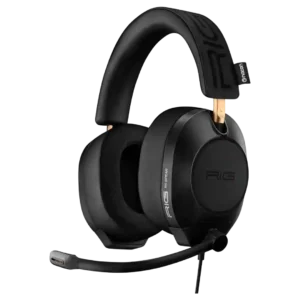
Connectivity versatility was a strength because reviewers valued the port flexibility and easy movement among PC, console, mobile, and wired setups.
Pros: Sound quality, Value for money
Cons: Button control usability, Dongle
#5
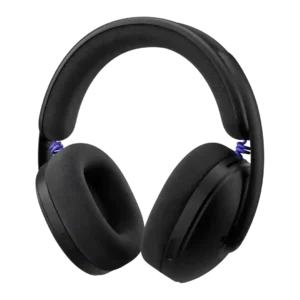
Connectivity versatility was praised for easy switching and multiple modes, though the strongest praise came from casual multi-device use rather than power-user features.
Pros: Comfort during long use, Design and Aesthetics
Cons: Build quality, Microphone
#6
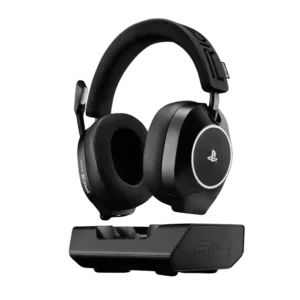
Connectivity versatility was useful for console/PC and calls, but manual dongle swapping and partial Bluetooth mixing kept it from being seamless.
Pros: Sound quality, Included stand quality
Cons: Detachable microphone convenience
#7
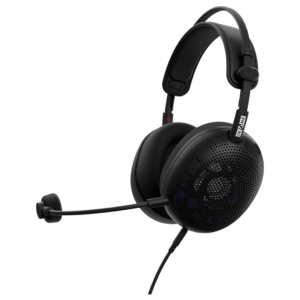
Connectivity versatility was a tradeoff: wired simplicity and broad device support helped, but desk tethering and app limits reduced flexibility.
Pros: Sound quality, Microphone
Cons: Microphone noise reduction, Spatial audio
