#1
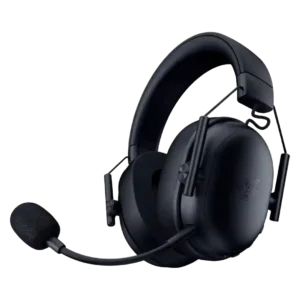
Mic noise reduction is a strong point, with multiple users praising clean voice pickup and effective suppression of keyboard noise, static, or background interference.
Pros: Overall satisfaction, Sound quality
Cons: Software/setup simplicity, Clamping force comfort
#2
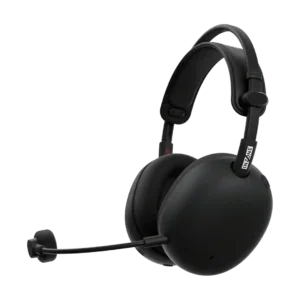
Microphone noise reduction works very well in many real-world tests, suppressing fans, breathing, construction noise, and other distractions while preserving speech. One noisy event exposed weaker filtering, so extreme environments...
Pros: Overall satisfaction, Sound quality
Cons: Value for money, Battery
#3
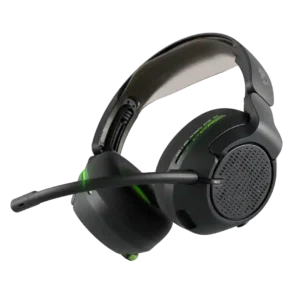
Background-noise rejection is a strength: keyboard noise, ringing phones, and other room sounds are filtered effectively, though the processing can make voices sound compressed.
Pros: Overall satisfaction, Bass performance
Cons: Value for money, Microphone
#4
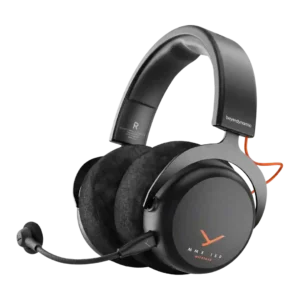
Mic noise reduction is repeatedly praised for suppressing typing, ambient sound, music, and surrounding noise while keeping the voice clear.
Pros: Sound quality, Comfort during long use
Cons: Equalizer customization, Console compatibility limitations
#5
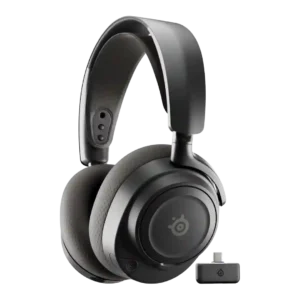
Noise reduction was praised when using ClearCast or Sonar processing, though baseline mic performance still varied.
Pros: Sound quality, Value for money
Cons: Dongle, Noise isolation (passive)
#6
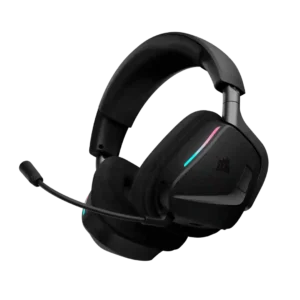
Background-noise handling is a clear strength when supported by NVIDIA Broadcast or the headset’s filtering. Tests and customers report reduced fan, mouse, and room noise even when voice tone itself...
Pros: Overall satisfaction, Sound quality
Cons: Reliability, App
#7
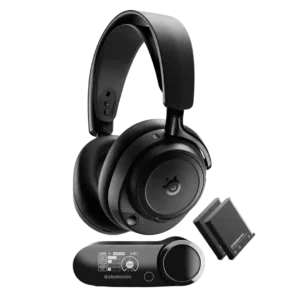
Microphone noise reduction is praised for suppressing hiss, vacuums, washing machines, and background noise, with only minor processing caveats.
Pros: Sound quality, Connectivity versatility
Cons: Value for money, Carry case quality
#8
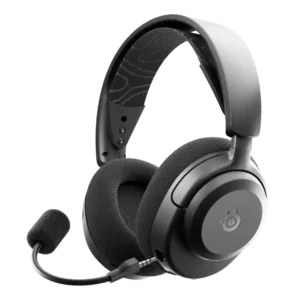
Microphone noise reduction was one of the stronger mic-related areas, with multiple reviewers praising barking, room, episode, keyboard, or background-noise suppression.
Pros: Value for money, Sound quality
Cons: Treble clarity, Noise isolation (passive)
#9
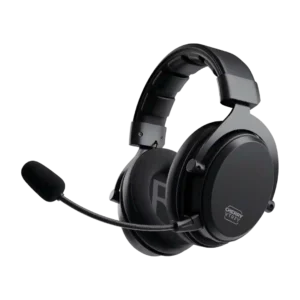
Microphone background rejection was generally useful, filtering keyboard noise or reducing background media, but not always dramatically.
Pros: Connectivity versatility, Sound quality
Cons: Equalizer customization, App
#10
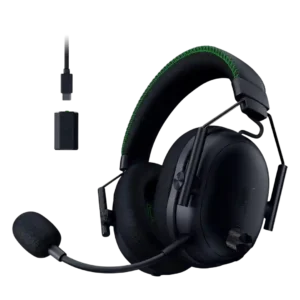
Mic noise reduction was highly variable, from excellent background suppression to complaints about weak rejection or EQ/noise tools changing the voice tone.
Pros: Microphone, Comfort during long use
Cons: Dongle, Software/setup simplicity
#11

Microphone noise reduction can suppress keyboards and room noise effectively, but aggressive processing can thin or compress the voice. Several testers preferred leaving it off in quieter rooms.
Pros: Included stand quality, Overall satisfaction
Cons: Active noise cancellation, Volume output
#12
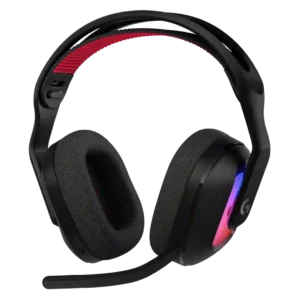
Noise handling ranges from excellent with Blue VO!CE filters enabled to overly sensitive in untreated rooms. Background fans, keyboards, and desk noises can still bleed through depending on settings and...
Pros: Overall satisfaction, Sound quality
Cons: Fit/seal reliability, Multipoint connectivity reliability
#13
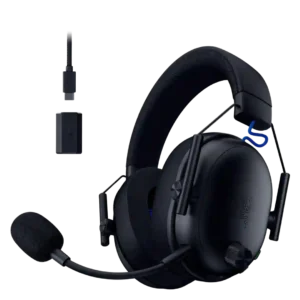
Noise handling is inconsistent across the reports: one expert praises background suppression, while a customer says the mic picks up breathing and lacks noise suppression.
Pros: Overall satisfaction, Sound quality
Cons: Button control usability, Dongle
