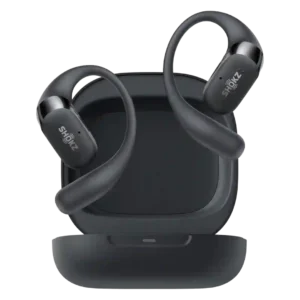
Microphone noise reduction receives strong praise for cutting background noise, including wind, noisy surroundings, and loud music nearby.
Pros: Sound quality, Comfort during long use
Cons: Active noise cancellation, Sensors

Microphone noise reduction receives strong praise for cutting background noise, including wind, noisy surroundings, and loud music nearby.
Pros: Sound quality, Comfort during long use
Cons: Active noise cancellation, Sensors
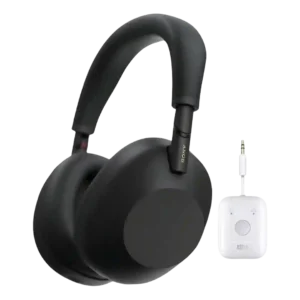
Microphone noise reduction was excellent in the evidence, especially against streets, wind, and ambient noise during calls.
Pros: Sound quality, Active noise cancellation
Cons: Touch control responsiveness, Spatial audio
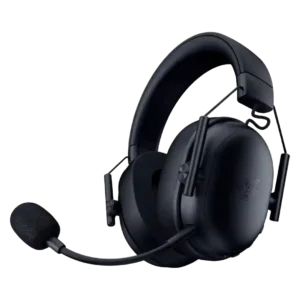
Mic noise reduction is a strong point, with multiple users praising clean voice pickup and effective suppression of keyboard noise, static, or background interference.
Pros: Overall satisfaction, Sound quality
Cons: Software/setup simplicity, Clamping force comfort
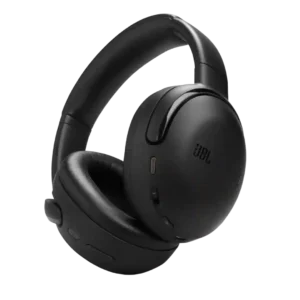
Microphone noise reduction was a major strength, with reviewers praising wind handling, echo reduction, and background-noise filtering.
Pros: Sound quality, Dongle
Cons: Premium feel, Build quality
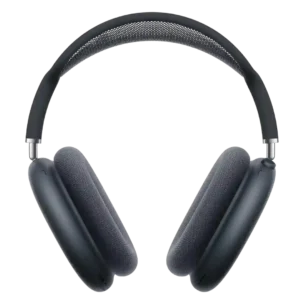
Voice Isolation and mic noise reduction performed well in many noisy call tests, although standard mode could lag behind.
Pros: Active noise cancellation, Sound quality
Cons: Value for money, Carry case quality
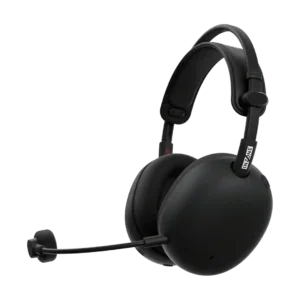
Microphone noise reduction works very well in many real-world tests, suppressing fans, breathing, construction noise, and other distractions while preserving speech. One noisy event exposed weaker filtering, so extreme environments...
Pros: Overall satisfaction, Sound quality
Cons: Value for money, Battery
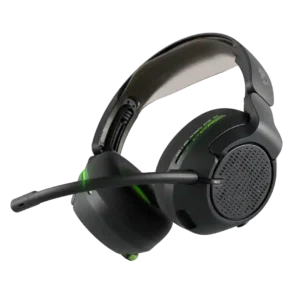
Background-noise rejection is a strength: keyboard noise, ringing phones, and other room sounds are filtered effectively, though the processing can make voices sound compressed.
Pros: Overall satisfaction, Bass performance
Cons: Value for money, Microphone
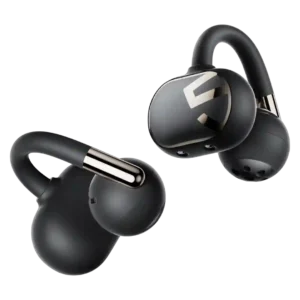
AeroVoice and environmental noise reduction usually keep speech intelligible around traffic, wind, and steady background noise. Strong wind is the main exception reported by some reviewers.
Pros: Comfort during long use, Sound quality
Cons: Carry case quality, Touch control responsiveness
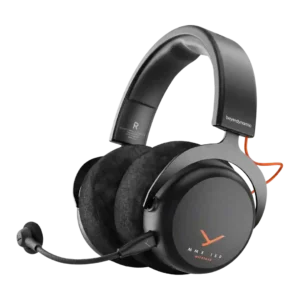
Mic noise reduction is repeatedly praised for suppressing typing, ambient sound, music, and surrounding noise while keeping the voice clear.
Pros: Sound quality, Comfort during long use
Cons: Equalizer customization, Console compatibility limitations
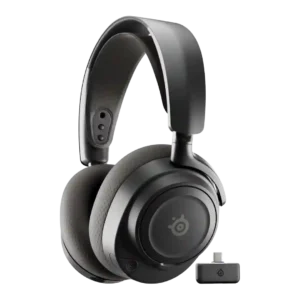
Noise reduction was praised when using ClearCast or Sonar processing, though baseline mic performance still varied.
Pros: Sound quality, Value for money
Cons: Dongle, Noise isolation (passive)
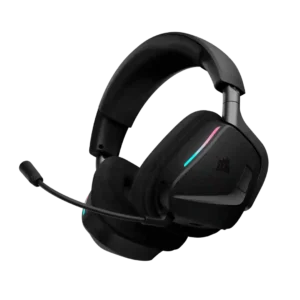
Background-noise handling is a clear strength when supported by NVIDIA Broadcast or the headset’s filtering. Tests and customers report reduced fan, mouse, and room noise even when voice tone itself...
Pros: Overall satisfaction, Sound quality
Cons: Reliability, App
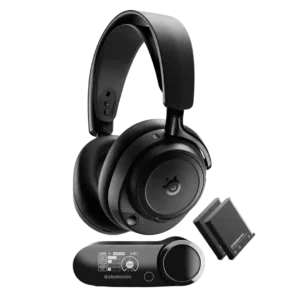
Microphone noise reduction is praised for suppressing hiss, vacuums, washing machines, and background noise, with only minor processing caveats.
Pros: Sound quality, Connectivity versatility
Cons: Value for money, Carry case quality
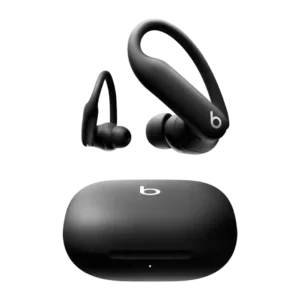
Microphone noise reduction was a strength in most supporting reviews, especially with background noise filtering on Apple devices.
Pros: Active noise cancellation, Battery
Cons: Carry case quality, Sensors
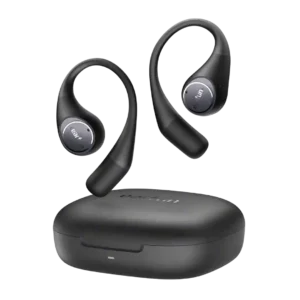
Microphone noise reduction scored strongly, with reviewers reporting reduced room, car, or environmental noise during calls.
Pros: Value for money, Sound quality
Cons: Touch control responsiveness, Bass performance
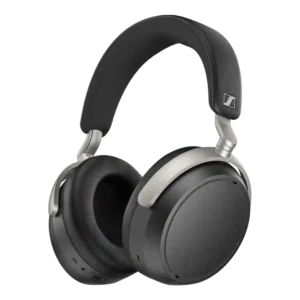
Microphone noise handling is praised for controlling busy roads, wind, or louder environments without overpowering the voice.
Pros: Sound quality, Active noise cancellation
Cons: Premium feel, Multipoint connectivity reliability
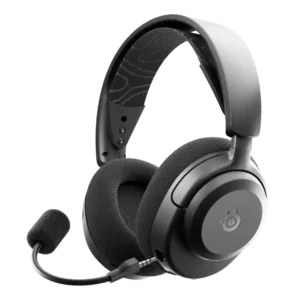
Microphone noise reduction was one of the stronger mic-related areas, with multiple reviewers praising barking, room, episode, keyboard, or background-noise suppression.
Pros: Value for money, Sound quality
Cons: Treble clarity, Noise isolation (passive)

Microphone noise reduction drew positive comments for suppressing ambient, wind or traffic noise and keeping voices intelligible.
Pros: AI transcription and summaries, Sound quality

Microphone noise reduction was usually strong against traffic, wind, and household noise, but a few reviewers found wind or busy restaurants could still overwhelm calls.
Pros: Sound quality, Touch control responsiveness
Cons: Water/sweat resistance rating, Sensors
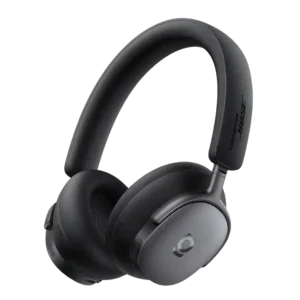
Microphone noise reduction was a strength overall, especially against background noise, though wind and harsh street noise could reduce nuance or voice stability.
Pros: Bass performance, Overall recommendation
Cons: Transparency mode quality, Immersive audio quality
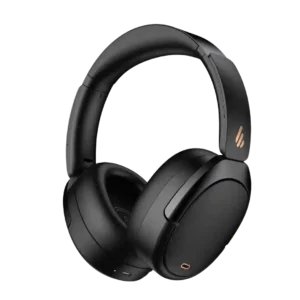
Microphone noise reduction was mostly strong, separating voice from background chaos, with minor ambient noise leakage noted.
Pros: Battery, Value for money
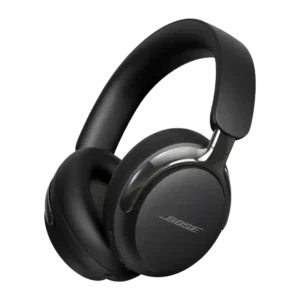
Microphone noise handling is generally positive, with reviewers saying voices stay clear and background noise is reduced well in common noisy settings.
Pros: Active noise cancellation, Comfort during long use
Cons: Value for money, Equalizer customization
The microphone system does a good job suppressing background noise while keeping speech intelligible. Reviewers found it useful for calls in busier indoor and outdoor settings.
Pros: Battery, Design and Aesthetics
Cons: Clamping force comfort, Soundstage width
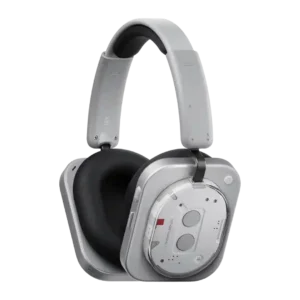
Microphone noise reduction was generally strong, with reviewers praising background suppression, though one noted echo/reverb issues.
Pros: Sound quality, Battery
Cons: Weight comfort, Soundstage width
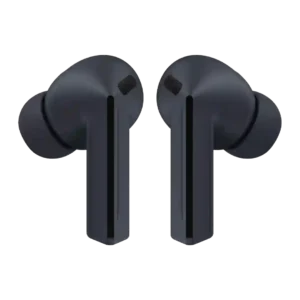
Microphone noise reduction is mostly praised as much improved and strong at reducing background sounds, though one reviewer says it could still be better.
Pros: Value for money, Active noise cancellation
Cons: Multipoint connectivity reliability, Charging
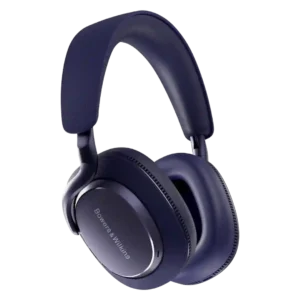
Microphone noise reduction is generally good, reducing background noise, but some road noise or muffling remains.
Pros: Sound quality, Active noise cancellation
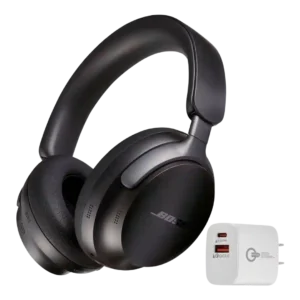
Reviewers were generally positive about microphone noise reduction, though the supporting evidence sometimes included context or small caveats.
Pros: Active noise cancellation, Sound quality
Cons: Battery, Immersive audio quality
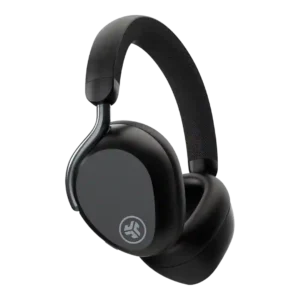
Microphone noise reduction was praised for focusing on the voice and reducing surrounding noise, though evidence was limited.
Pros: Comfort during long use, Charging
Cons: Spatial audio, Volume output
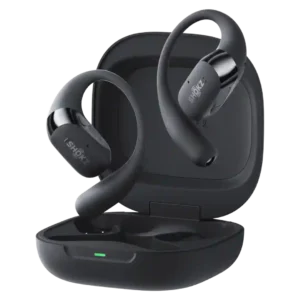
Microphone noise reduction generally handled traffic, background noise, or indoor noise well, but wind remained the recurring weak scenario.
Pros: Comfort during long use, Sound quality
Cons: Find My, Carry case quality
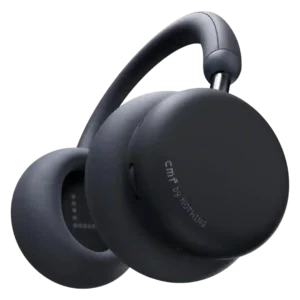
Microphone noise reduction is better than the raw mic quality might suggest. Wind and steady background noise are often reduced effectively, though unpredictable noisy environments can still overwhelm speech cleanup.
Pros: Sound quality, Active noise cancellation
Cons: Treble clarity, Equalizer customization
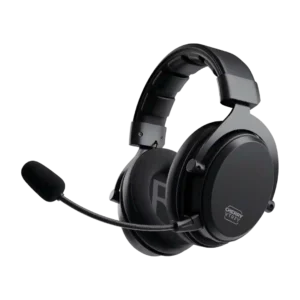
Microphone background rejection was generally useful, filtering keyboard noise or reducing background media, but not always dramatically.
Pros: Connectivity versatility, Sound quality
Cons: Equalizer customization, App
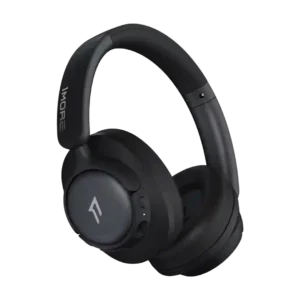
Microphone noise reduction was praised by some reviewers for cutting background noise, but one review noted robotic or distant voice artifacts.
Pros: Battery, Sound quality
Cons: Midrange clarity, Button control usability

Traffic noise reduction performed well in one outdoor call test, keeping background traffic from becoming too loud.
Pros: Stability, Eartips fit
Cons: Volume output, Active noise cancellation
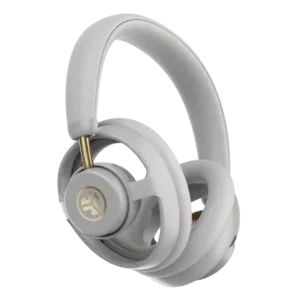
The noise-reducing microphone captures speech effectively in ordinary use. It helps keep voice intelligible, though detailed performance in very harsh noise is less certain.
Pros: Overall satisfaction, Sound quality
Cons: Bass performance, Volume output
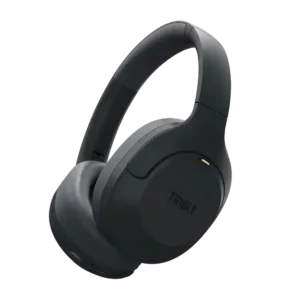
Background noise is reduced effectively during calls, leaving only a small amount of surrounding construction noise audible in a demanding test.
Pros: Value for money, Sound quality
Cons: Button control usability, App
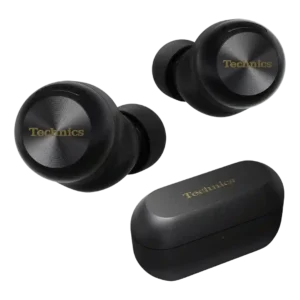
Microphone noise reduction is polarized: several reviewers praise wind and background suppression, while one reports failed clarity and cutouts.
Pros: Sound quality, Active noise cancellation
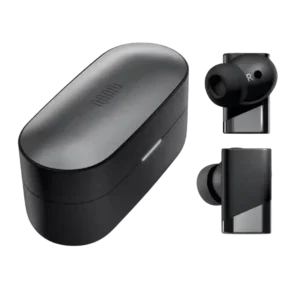
Microphone noise reduction earns mostly positive remarks, especially for VoiceLoom blocking background noise, but wind can still challenge some tests.
Pros: Sound quality, Active noise cancellation
Cons: Sensors, Ear tip size options
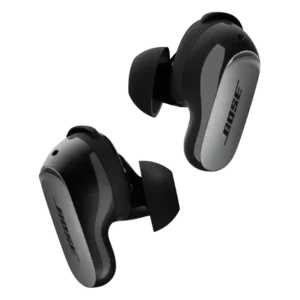
Microphone noise reduction ranges from excellent SpeechClarity performance to weaker lab samples, but the overall reviewer consensus is improved and often strong.
Pros: Active noise cancellation, Sound quality
Cons: Value for money, Battery

Microphone noise reduction usually handles steady or traffic noise well, though some reviewers still hear wind, voices, or muddiness in tougher environments.
Pros: Sound quality, Battery
Cons: Touch control responsiveness, Charging
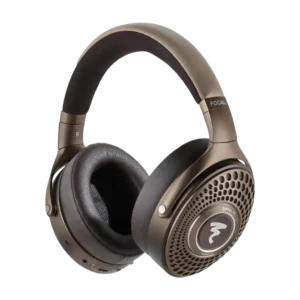
Microphone noise reduction is serviceable and sometimes praised for reducing disruption or hiss, but wind and high-pitched noise still leak through in one review.
Pros: Comfort during long use, Bass performance
Cons: Value for money, Equalizer customization
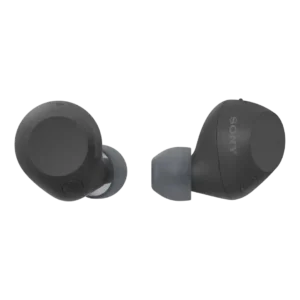
Microphone noise reduction was often praised for wind and background suppression, but a few reviewers said voice quality suffers or becomes hard to understand in noisy settings.
Pros: Value for money, Sound quality
Cons: Codec support, LDAC
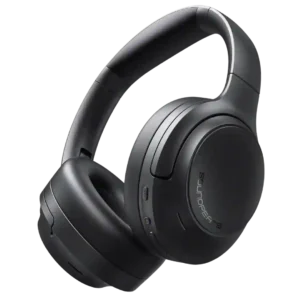
Microphone noise reduction handles steady background noise fairly well, but aggressive processing can soften or even cut the voice in unpredictable or crowded environments.
Pros: Overall satisfaction, Sound quality
Cons: Carry case quality, Transparency mode quality
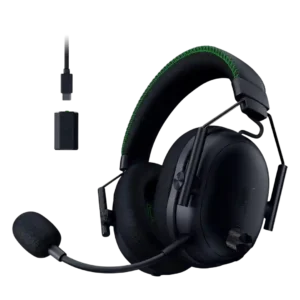
Mic noise reduction was highly variable, from excellent background suppression to complaints about weak rejection or EQ/noise tools changing the voice tone.
Pros: Microphone, Comfort during long use
Cons: Dongle, Software/setup simplicity

Microphone noise reduction can suppress keyboards and room noise effectively, but aggressive processing can thin or compress the voice. Several testers preferred leaving it off in quieter rooms.
Pros: Included stand quality, Overall satisfaction
Cons: Active noise cancellation, Volume output
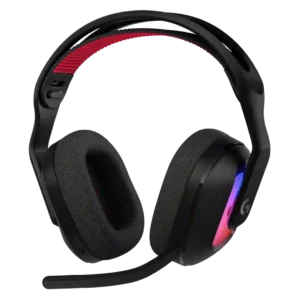
Noise handling ranges from excellent with Blue VO!CE filters enabled to overly sensitive in untreated rooms. Background fans, keyboards, and desk noises can still bleed through depending on settings and...
Pros: Overall satisfaction, Sound quality
Cons: Fit/seal reliability, Multipoint connectivity reliability

Microphone noise reduction is mixed: some reviewers praise outside-noise rejection, while one finds environmental noise suppression weak.
Pros: Active noise cancellation, Sound quality
Cons: Android compatibility, Carry case quality
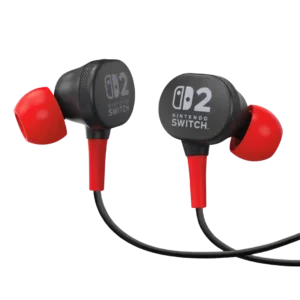
Microphone noise handling is inconsistent. One expert heard obvious background static, while another found recordings almost free of hum, whine, and hissing.
Pros: Overall satisfaction, Sound quality
Cons: Eartips fit, Stability
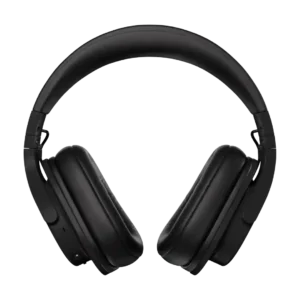
Microphone noise reduction was described as decent, especially indoors, but not enough to make calls fully comfortable.
Pros: Overall recommendation, Value for money
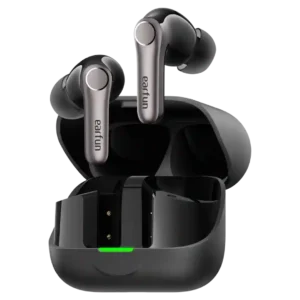
Microphone noise reduction works well in ordinary indoor or moderately noisy settings, but heavy wind and busy streets expose its limits. Background suppression can also make the user's voice quieter...
Pros: Value for money, Sound quality
Cons: Lossless audio support, Microphone noise reduction
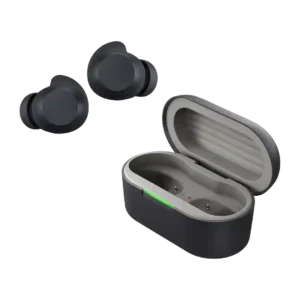
Microphone noise reduction is serviceable but imperfect, since higher-frequency background sounds could still get through.
Pros: Battery, Active noise cancellation
Cons: Comfort during long use, Sound quality
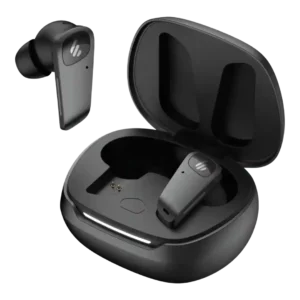
Microphone noise reduction is mixed: some reviewers heard good wind or background reduction, while others found ambient noise pickup and noisy conditions problematic.
Pros: Sound quality, Bass performance
Cons: Value for money, Equalizer customization