
The Digital Crown and physical button controls were repeatedly praised as intuitive, tactile and among the best on headphones.
Pros: Active noise cancellation, Sound quality
Cons: Value for money, Carry case quality

The Digital Crown and physical button controls were repeatedly praised as intuitive, tactile and among the best on headphones.
Pros: Active noise cancellation, Sound quality
Cons: Value for money, Carry case quality
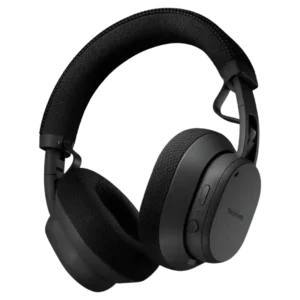
The joystick is one of the most consistently loved features. Reviewers find it tactile, simple, responsive, and easier than touch-heavy control schemes.
Pros: Sustainability and repairability, Sound quality
Cons: Value for money, Transparency mode quality
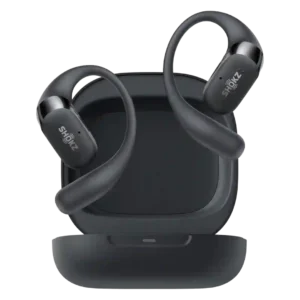
Physical button controls are one of the clearest upgrades, widely praised as easier, more precise, and better for workouts than touch-only controls.
Pros: Sound quality, Comfort during long use
Cons: Active noise cancellation, Sensors
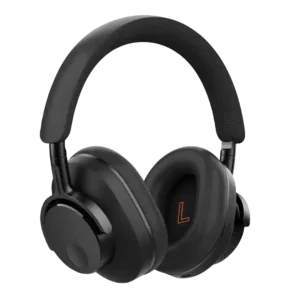
Physical button controls are praised for usability and responsiveness.
Pros: Overall recommendation, Comfort during long use
Cons: Headband padding quality, Spatial audio
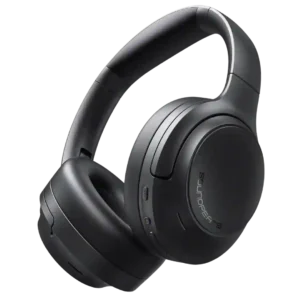
Physical buttons are widely liked for predictable feedback and easy operation by feel, with only a short adjustment period needed on some units.
Pros: Overall satisfaction, Sound quality
Cons: Carry case quality, Transparency mode quality

The physical controls are a highlight, especially the damped crown/volume wheel. Reviewers repeatedly praised its tactility, easy reach and reliable media clicks, with only minor learning-curve complaints.
Pros: Included stand quality, Overall satisfaction
Cons: Active noise cancellation, Volume output

Physical buttons are a consistent usability strength: easy to find, responsive, and more reliable than touch controls for many reviewers. A short learning period may be needed because several buttons...
Pros: Battery, Design and Aesthetics
Cons: Clamping force comfort, Soundstage width
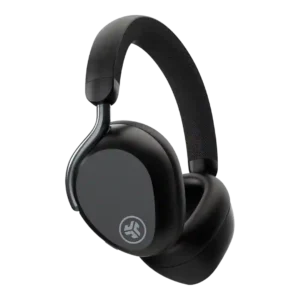
Button and physical-control usability was mostly positive, though one reviewer wanted more physical buttons.
Pros: Comfort during long use, Charging
Cons: Spatial audio, Volume output
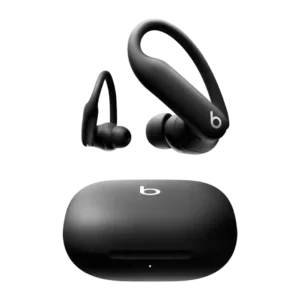
Physical button controls were a standout strength, especially for workouts, gloves, and running.
Pros: Active noise cancellation, Battery
Cons: Carry case quality, Sensors
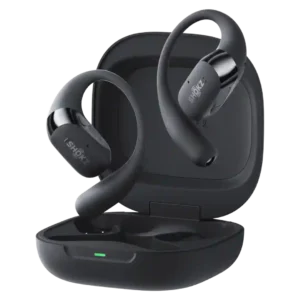
Physical buttons were widely praised as easier, more reliable, and more comfortable than touch-only controls, though one ultrarunner wanted an on/off button.
Pros: Comfort during long use, Sound quality
Cons: Find My, Carry case quality
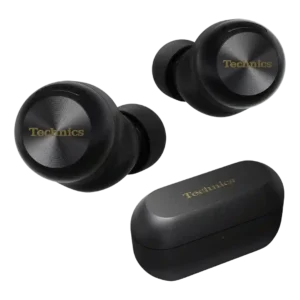
Control remapping is praised as unusually flexible and useful across the app and earbuds.
Pros: Sound quality, Active noise cancellation
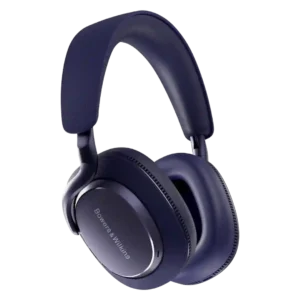
Physical controls are widely liked for being tactile, reliable, and easier than touch panels, despite some limitations in available shortcuts.
Pros: Sound quality, Active noise cancellation
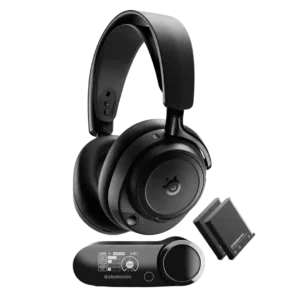
Physical controls are usually praised for tactile wheels, intuitive placement, and good feedback, though one reviewer says smaller buttons feel less premium.
Pros: Sound quality, Connectivity versatility
Cons: Value for money, Carry case quality
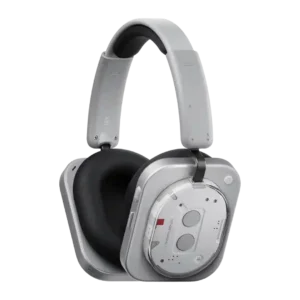
Physical controls were a standout strength, widely praised for tactility and usability, although a few reviewers found the layout or paddle/roller behavior finicky.
Pros: Sound quality, Battery
Cons: Weight comfort, Soundstage width

Most physical controls are easy to reach and tactile, including mute, volume, and source switching. Some users dislike the placement of the wheel and buttons because they can be bumped...
Pros: Overall satisfaction, Sound quality
Cons: Fit/seal reliability, Multipoint connectivity reliability
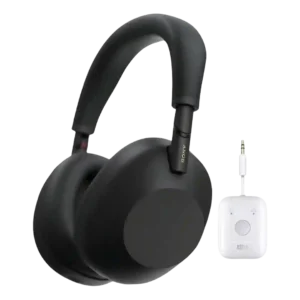
Physical button usability improved meaningfully, with reviewers liking the distinct power and ANC buttons and easier blind operation.
Pros: Sound quality, Active noise cancellation
Cons: Touch control responsiveness, Spatial audio
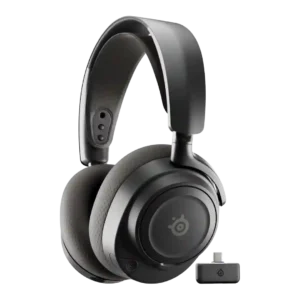
Physical controls were usually praised as tactile, easy to reach, and intuitive, though one reviewer disliked cheap-feeling dials.
Pros: Sound quality, Value for money
Cons: Dongle, Noise isolation (passive)
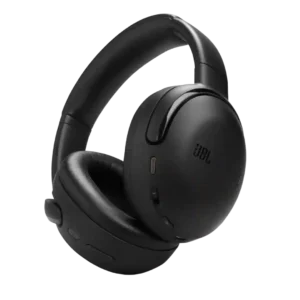
Physical controls and buttons were generally praised as easy, certain, and well implemented, especially volume controls and tactile switching.
Pros: Sound quality, Dongle
Cons: Premium feel, Build quality
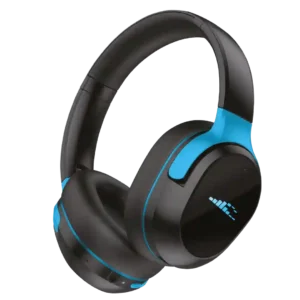
Physical buttons are generally easy to locate and more dependable than touch controls with sweaty hands. Downsides include awkward placement, loud spoken interruptions, and an ANC button that stuck on...
Pros: Water/sweat resistance rating, Comfort during long use
Cons: Value for money, Workout heat and sweat buildup
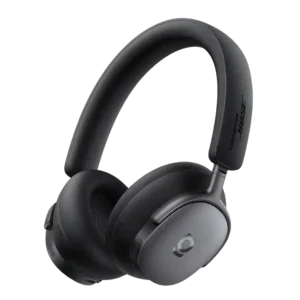
Physical button controls were broadly liked for placement, tactility, and feedback, though one track-skipping scheme felt unintuitive.
Pros: Bass performance, Overall recommendation
Cons: Transparency mode quality, Immersive audio quality

Physical controls are preferred over touch by one reviewer, but another notes the small buttons can be difficult to locate by feel.
Pros: Comfort during long use, Bass performance
Cons: Value for money, Equalizer customization
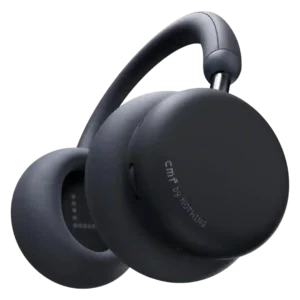
Physical controls are a major part of the appeal: the roller is frequently praised as intuitive and more dependable than touch gestures. The Energy Slider is divisive, with some reviewers...
Pros: Sound quality, Active noise cancellation
Cons: Treble clarity, Equalizer customization

Physical and pinch controls were useful for FlashRecord and playback, though one review found the case buttons easy to confuse.
Pros: AI transcription and summaries, Sound quality
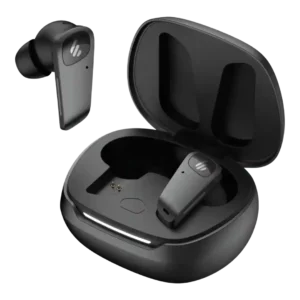
The squeeze or pinch controls are usually considered reliable and customizable, though a few reviewers found them delayed or weaker than top competitors.
Pros: Sound quality, Bass performance
Cons: Value for money, Equalizer customization
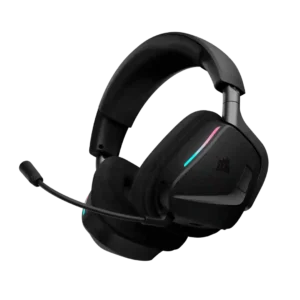
On-ear controls are convenient when they work well, with some praising tactile volume adjustment and easy access. Others find the buttons or mixer finicky, springy, or unintuitive.
Pros: Overall satisfaction, Sound quality
Cons: Reliability, App
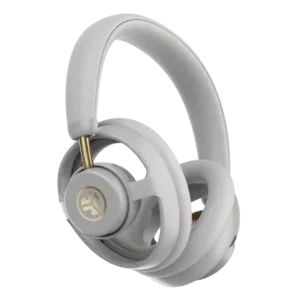
The customizable physical buttons are usually responsive, easy to locate, and preferable to touch controls. One owner found them extremely small and difficult to distinguish.
Pros: Overall satisfaction, Sound quality
Cons: Bass performance, Volume output
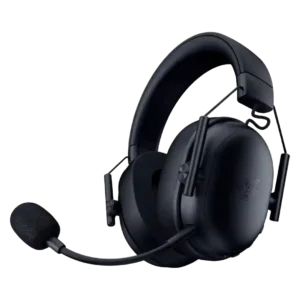
The physical controls are usually simple, tactile, and convenient, especially for mute and volume. There are smaller usability complaints about finding the mute button quickly, plus one broken volume wheel.
Pros: Overall satisfaction, Sound quality
Cons: Software/setup simplicity, Clamping force comfort

Physical controls were considered mostly intuitive and tactile, despite some cheaper-feeling rattle elsewhere in the same review.
Pros: Overall recommendation, Value for money
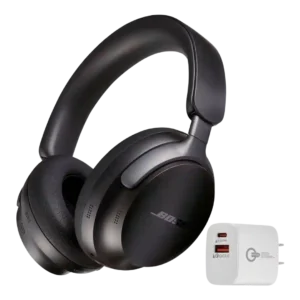
Reviewer evidence was mixed on button control usability, balancing useful performance against clear limitations or preferences.
Pros: Active noise cancellation, Sound quality
Cons: Battery, Immersive audio quality

Control usability was mostly simple and easy, but some reviewers disliked crowded or less intuitive one-hand control layouts.
Pros: Value for money, Sound quality
Cons: Treble clarity, Noise isolation (passive)
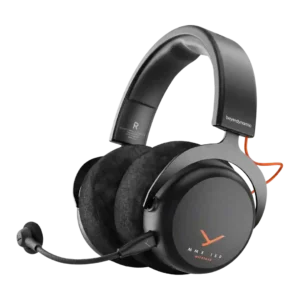
Controls are praised for simple volume, mute, and mode access, but criticized when the wheel feels clicky or loses function over 3.5mm.
Pros: Sound quality, Comfort during long use
Cons: Equalizer customization, Console compatibility limitations
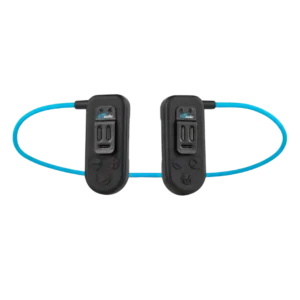
The physical buttons are tactile and generally workable in the water, with some testers finding them simple and intuitive. Others found the layout crowded, the command combinations clunky, or experienced...
Pros: Overall satisfaction, Offline playback and onboard storage
Cons: Software/setup simplicity, Design and Aesthetics
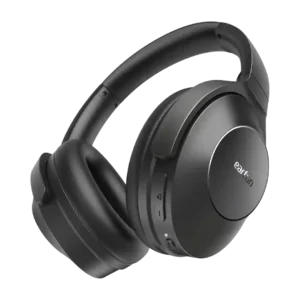
Button controls are mostly usable and tactile, though PCMag thought the controls felt cheap.
Pros: Battery, Equalizer customization
Cons: ANC background noise level, Active noise cancellation
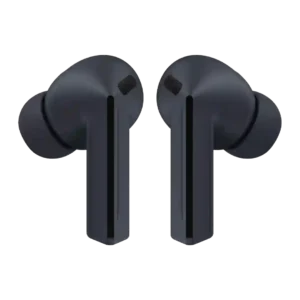
Pinch and swipe controls are generally useful and sometimes praised, but reviewers also note extra force, awkward stem angles, or a short learning curve.
Pros: Value for money, Active noise cancellation
Cons: Multipoint connectivity reliability, Charging
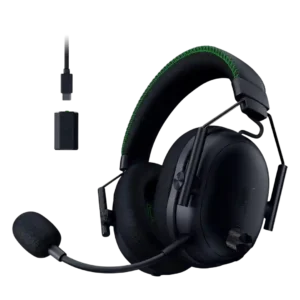
Physical controls were generally useful and snappy, but reviewers disagreed on usability, with some loving them and others finding buttons hard to distinguish or unintuitive.
Pros: Microphone, Comfort during long use
Cons: Dongle, Software/setup simplicity
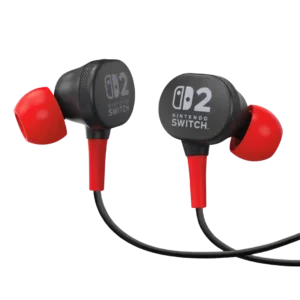
The physical microphone mute control is repeatedly praised for being quick and convenient during gaming. The main controls complaint is the lack of onboard volume adjustment.
Pros: Overall satisfaction, Sound quality
Cons: Eartips fit, Stability
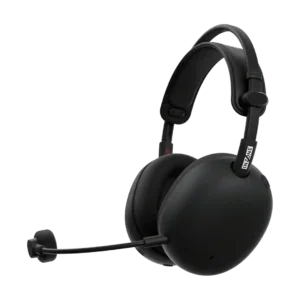
The large, well-spaced controls are often easy to locate by touch, especially the mute button, but usability is not uniformly polished. The volume wheel, mode chimes, and some platform-specific control...
Pros: Overall satisfaction, Sound quality
Cons: Value for money, Battery
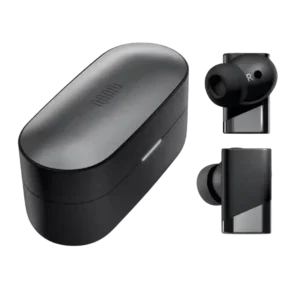
Button controls are useful and tactile, but reviewers criticize the physical buttons for limited or missing customization.
Pros: Sound quality, Active noise cancellation
Cons: Sensors, Ear tip size options
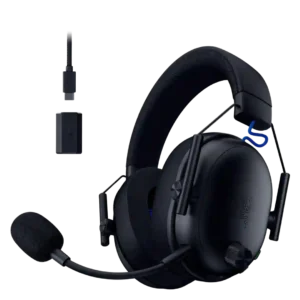
Physical controls are often praised for tactile feel, placement, and quick access, but not everyone likes them. Two customers find the knobs awkward or excessively slow for large adjustments.
Pros: Overall satisfaction, Sound quality
Cons: Button control usability, Dongle
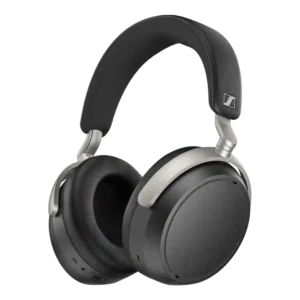
Button and gesture usability is mixed, with basic navigation praised but ANC pinch gestures and learning curve criticized.
Pros: Sound quality, Active noise cancellation
Cons: Premium feel, Multipoint connectivity reliability
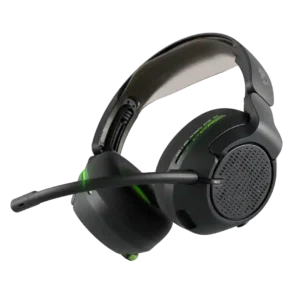
The controls offer a lot directly on the headset, but the multifunction joystick can feel overloaded, imprecise, or easy to mis-trigger. Other reviewers found the layout satisfying and easy to...
Pros: Overall satisfaction, Bass performance
Cons: Value for money, Microphone
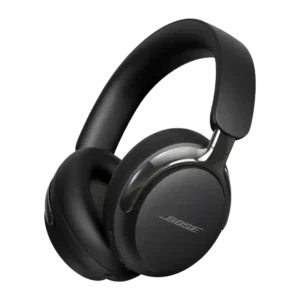
Button usability is mixed, with some reviewers liking the balance of buttons and touch and others criticizing overloaded controls.
Pros: Active noise cancellation, Comfort during long use
Cons: Value for money, Equalizer customization
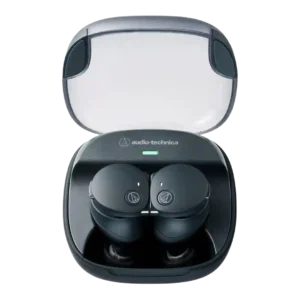
Button usability split reviewers sharply: some preferred responsive physical buttons, while others found them fiddly, hard to locate, or awkward to press.
Pros: Battery, Bass performance
Cons: Button control usability, Active noise cancellation
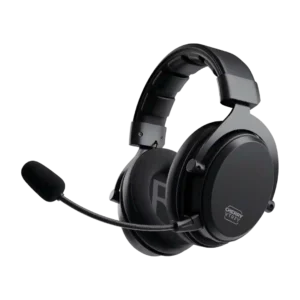
Physical controls were easy to understand in some reviews, but precision and feedback were criticized.
Pros: Connectivity versatility, Sound quality
Cons: Equalizer customization, App
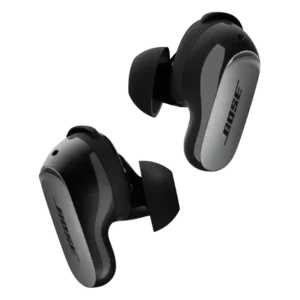
For running, one reviewer would prefer physical button controls because touch gestures are harder to use precisely during workouts.
Pros: Active noise cancellation, Sound quality
Cons: Value for money, Battery
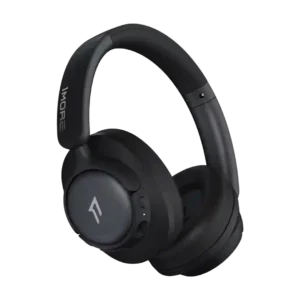
Button controls were a repeated concern, with reversed or counterintuitive mappings offset by a few comments that basic controls worked.
Pros: Battery, Sound quality
Cons: Midrange clarity, Button control usability
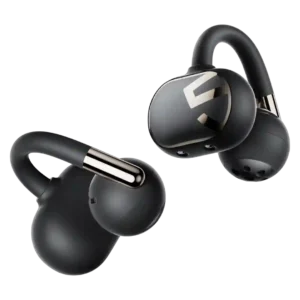
The tap-based control scheme works for basic playback, but volume adjustment is a recurring usability complaint. Reviewers often wanted simpler volume gestures or the tactile certainty of physical buttons.
Pros: Comfort during long use, Sound quality
Cons: Carry case quality, Touch control responsiveness
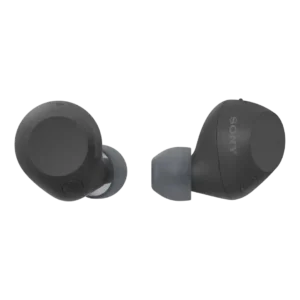
Control usability was limited by awkward volume gestures and limited customization despite some responsive touch surfaces.
Pros: Value for money, Sound quality
Cons: Codec support, LDAC
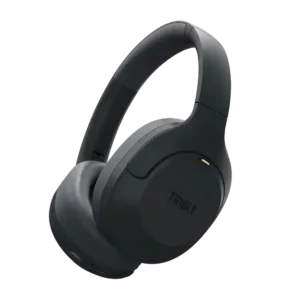
The physical controls are a recurring weak point because the volume control is small and the mixed touch/button layout can feel awkward. Once learned, the raised buttons are manageable.
Pros: Value for money, Sound quality
Cons: Button control usability, App

Button or stem-control usability is weak in one review, which says the gestures are not very responsive.
Pros: Active noise cancellation, Sound quality
Cons: Android compatibility, Carry case quality