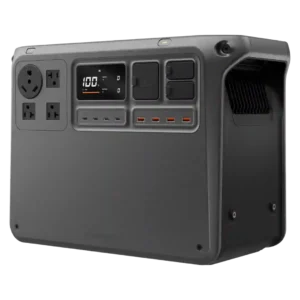
Built-in Wi-Fi was welcomed for remote access and worked smoothly in the positive tests.
Pros: rated output, peak output
Cons: startup reliability, full-load noise

Built-in Wi-Fi was welcomed for remote access and worked smoothly in the positive tests.
Pros: rated output, peak output
Cons: startup reliability, full-load noise
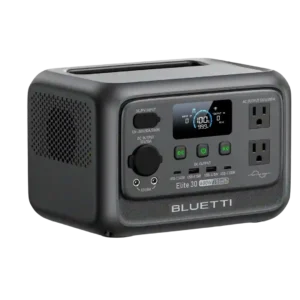
Wi-Fi enables cloud monitoring and control from beyond Bluetooth range. It is especially useful for checking a remote UPS or off-grid setup.
Pros: rated output, output stability
Cons: over-voltage protection, cold-weather performance
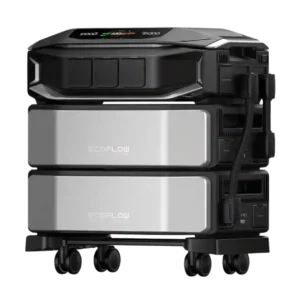
Wi-Fi enables remote status, circuit control, outage logs, and energy monitoring through the EcoFlow ecosystem. Reviewers using connected home-panel setups found that remote visibility especially useful during outages.
Pros: output stability, voltage regulation
Cons: solar cable compatibility, UPS functionality
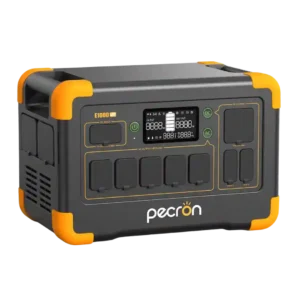
Wi-Fi worked reliably in regular use and was especially useful for checking the station remotely, even when Bluetooth setup was less straightforward.
Pros: inverter quality, LiFePO4 battery
Cons: idle noise, built-in light
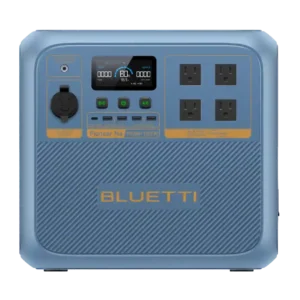
The lack of dependable Wi-Fi is a meaningful limitation for remote checks and control. Some outdoor users do not mind Bluetooth-only operation, but others found it a poor fit for...
Pros: pure sine wave output, startup performance
Cons: MPPT controller performance, battery expandability
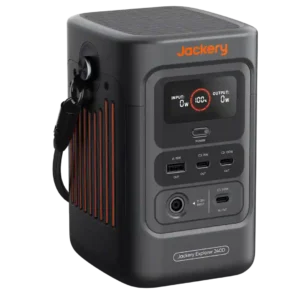
There is no Wi-Fi connection or remote cloud monitoring. That keeps the unit simple and efficient, but removes smart-home-style visibility.
Pros: power output, rated output
Cons: AC outlet count, repairability
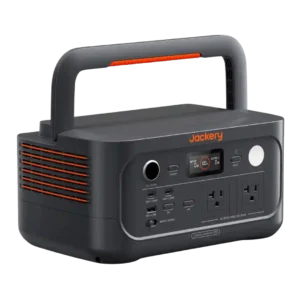
Wi-Fi is missing, preventing app-based monitoring and control and standing out against more connected competitors.
Pros: output stability, pure sine wave output
Cons: remaining runtime estimate, Bluetooth connectivity