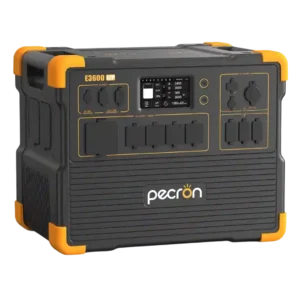
Value is the dominant strength: reviewers repeatedly found substantially more power, solar input, and expandability than similarly priced alternatives.
Pros: power output, rated output
Cons: output stability, voltage regulation

Value is the dominant strength: reviewers repeatedly found substantially more power, solar input, and expandability than similarly priced alternatives.
Pros: power output, rated output
Cons: output stability, voltage regulation
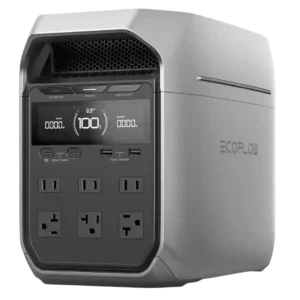
Sale prices around $599–$650 make the station highly competitive for its charging speed, ports, UPS function, and expansion options. Value drops if the buyer will never use the Plus-only features.
Pros: rated output, peak output
Cons: 30-amp output, parallel operation support
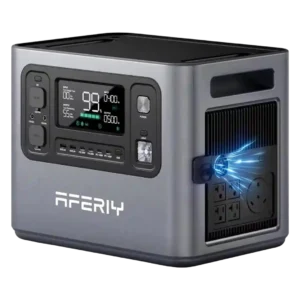
Discount prices around the mid-$600s to mid-$700s were repeatedly called exceptional for the output and features. Value is less compelling near the full list price.
Pros: rated output, peak output
Cons: app connectivity, voltage regulation
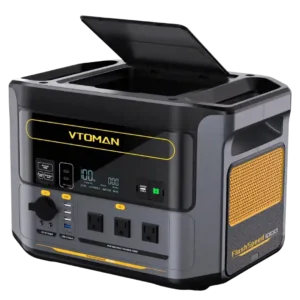
Value is a major strength, especially at frequent sale prices; the feature set, fast charging, and expandability often undercut better-known rivals.
Pros: inverter quality, power quality
Cons: Wi-Fi connectivity, weather resistance
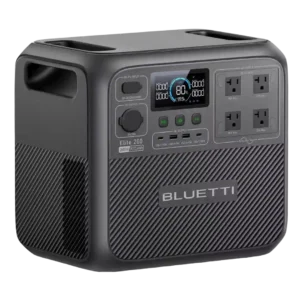
Discounted pricing is widely considered excellent for this level of capacity, output, cycle life, and build, though full-price value is less compelling.
Pros: output stability, pure sine wave output
Cons: specification accuracy, startup reliability

Value is strongest at common sale prices, where fast charging, long cycle life, and capable output outweigh the accessory costs.
Pros: rated output, peak output
Cons: standby power loss, specification accuracy
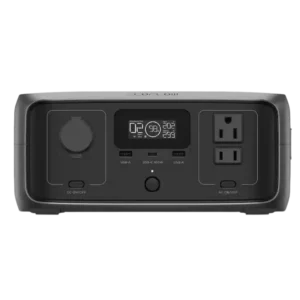
Sale pricing is repeatedly described as excellent value for the feature set, charging speed, and build. At full price, a few shoppers feel larger or better-equipped alternatives may justify spending...
Pros: noise level, idle noise
Cons: self-discharge rate, air travel suitability
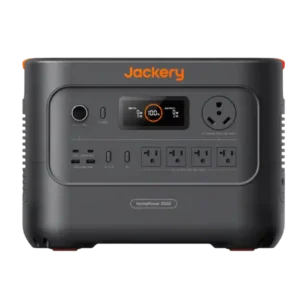
Value depends heavily on sale pricing. The performance-to-weight ratio is excellent, but full retail pricing carries a premium and rivals may offer expansion.
Pros: power output, rated output
Cons: battery expandability, car charging speed
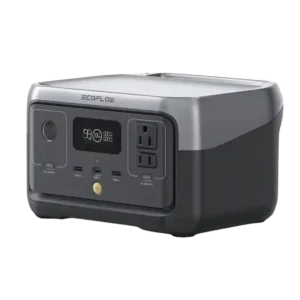
Frequent discounts make it compelling for light-duty users, but full-price buyers may prefer larger capacity or competitors with more ports.
Pros: surge capacity, output stability
Cons: dual-input charging, whole-home integration
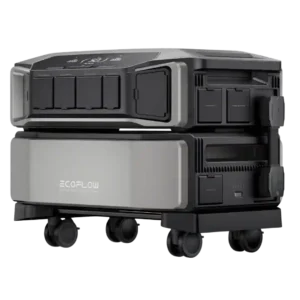
Value depends heavily on the use case. Buyers who need 240V whole-home backup and expansion often see excellent value, while lighter users and some comparison reviewers find the price excessive...
Pros: power quality, simultaneous device support
Cons: battery percentage accuracy, firmware updates
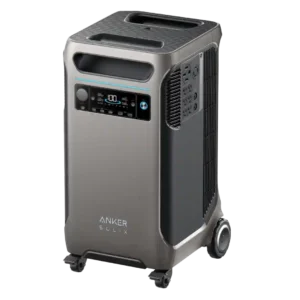
Value depends heavily on sale pricing and use case. Buyers who need single-unit 240V home backup often find it worthwhile, while solar accessories, expansion batteries, and full-home hardware can make...
Pros: rated output, output stability
Cons: car charging speed, USB-A ports
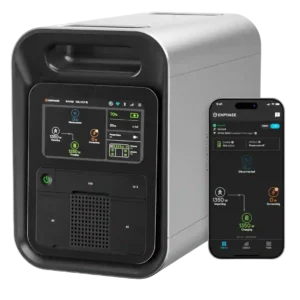
Value is the central debate. Premium engineering, safety certification, and the touchscreen justify the price for some buyers, while others point to lighter, expandable, faster-solar competitors for less.
Pros: rated output, output stability
Cons: runtime at full load, RV outlet